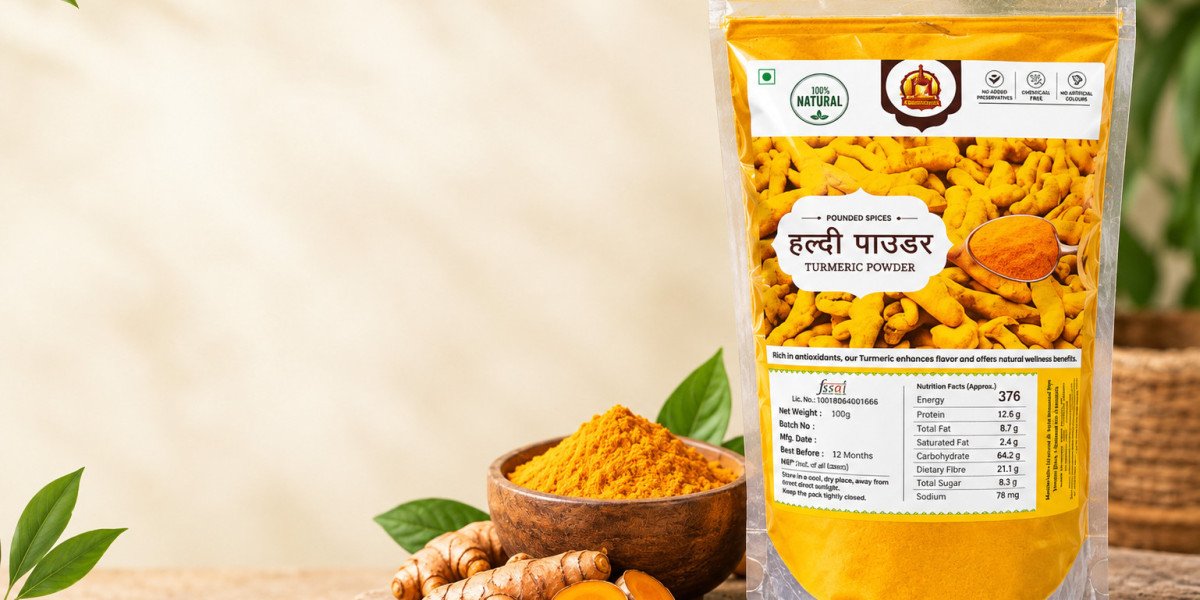

Turmeric is one of the most common spices found in Indian kitchens. Its bright yellow colour, earthy flavour, and traditional use have made it a regular part of everyday cooking. But turmeric is more than just a spice that adds colour to food. When used as part of a balanced diet, it can add nutritional value to everyday meals.
From dals and vegetables to rice and warm drinks, there are many simple ways to include turmeric powder in your regular meals. The key is to use it sensibly and choose good-quality turmeric for your kitchen.
Understanding the Benefits of Turmeric Powder
The Benefits of Turmeric Powder are linked mainly to curcumin, a naturally occurring compound that gives turmeric its characteristic yellow colour. Turmeric has been traditionally used in Indian cooking and wellness practices for generations.
Some commonly discussed benefits include:
Supporting a healthy inflammatory response
Providing antioxidant compounds
Supporting normal digestion
Adding flavour without relying on excessive sauces or processed seasonings
Contributing to a varied and balanced diet
Turmeric should not be considered a replacement for medical treatment or a balanced lifestyle. Instead, it can be a useful ingredient when included in everyday meals in appropriate amounts.
Simple Ways to Add Turmeric to Daily Meals
You do not need complicated recipes to enjoy turmeric. A small amount can easily become part of meals you already prepare.
1. Add It to Dal
Dal is one of the easiest dishes in which to use turmeric. Add a small amount while cooking lentils along with other spices. It gives the dal a warm colour and mild earthy taste.
2. Use It in Vegetable Dishes
Turmeric works well with potatoes, cauliflower, peas, carrots, beans, and other vegetables. Add it while sautéing your vegetables with cumin, coriander, or other familiar spices.
3. Mix It Into Rice
A little turmeric can be added while preparing rice or pulao. It gives the dish a naturally vibrant colour and pairs well with vegetables and whole spices.
4. Add It to Soups
If you enjoy homemade soups, turmeric can be added along with ingredients such as ginger, garlic, vegetables, and lentils. This is particularly useful during colder months when warm meals are comforting.
5. Try a Simple Turmeric Drink
Some people enjoy adding a small amount of turmeric to warm milk or another suitable beverage. You can also combine it with ingredients such as ginger or black pepper according to your taste.
Why Quality Matters
The quality of a spice can make a noticeable difference to your cooking. Turmeric powder should have a natural aroma, a characteristic yellow colour, and a fresh flavour. When buying packaged spices, checking the ingredient list and choosing products from reliable sources can help you make a better choice.
Avoid assuming that a brighter colour automatically means better quality. Good spices should be selected based on their ingredients, freshness, processing, packaging, and overall quality.
Tips for Using Turmeric Powder Correctly
Turmeric is easy to use, but a few simple habits can make your cooking more enjoyable.
Start with a small quantity and adjust according to the recipe.
Store turmeric in a cool, dry place away from moisture.
Keep the container tightly closed to preserve its aroma.
Use a clean, dry spoon whenever taking out the powder.
Combine it with other herbs and spices to create balanced flavours.
Include turmeric as part of a varied diet rather than relying on it for a single health benefit.
Remember that more turmeric does not necessarily mean more benefits. Everyday cooking generally requires only a modest amount.
Make Turmeric Part of Your Everyday Cooking
One of the best things about turmeric is how easily it fits into familiar recipes. You can use it in dal, sabzi, rice, soups, marinades, and many other homemade dishes without completely changing your cooking routine.
For students and busy families, this makes turmeric especially convenient. There is no need to prepare a special recipe every day. Simply adding a suitable amount to regular homemade food can be an easy way to enjoy this traditional spice.
If you are exploring more naturally processed ingredients for your kitchen, choosing quality Pounded Spices can also help bring authentic flavour to everyday meals. Along with turmeric, you can explore other commonly used spices and create simple, flavourful dishes at home.
Conclusion
Turmeric has earned its place in Indian kitchens for good reason. Its distinctive colour, flavour, and traditional use make it a versatile ingredient for everyday meals. From dal and vegetables to rice and soups, there are plenty of simple ways to include it in your diet.
Rather than treating turmeric as a quick solution for health concerns, think of it as one small part of a balanced lifestyle. Choose good-quality spices, use them sensibly, and enjoy them as part of fresh, varied, home-cooked food.