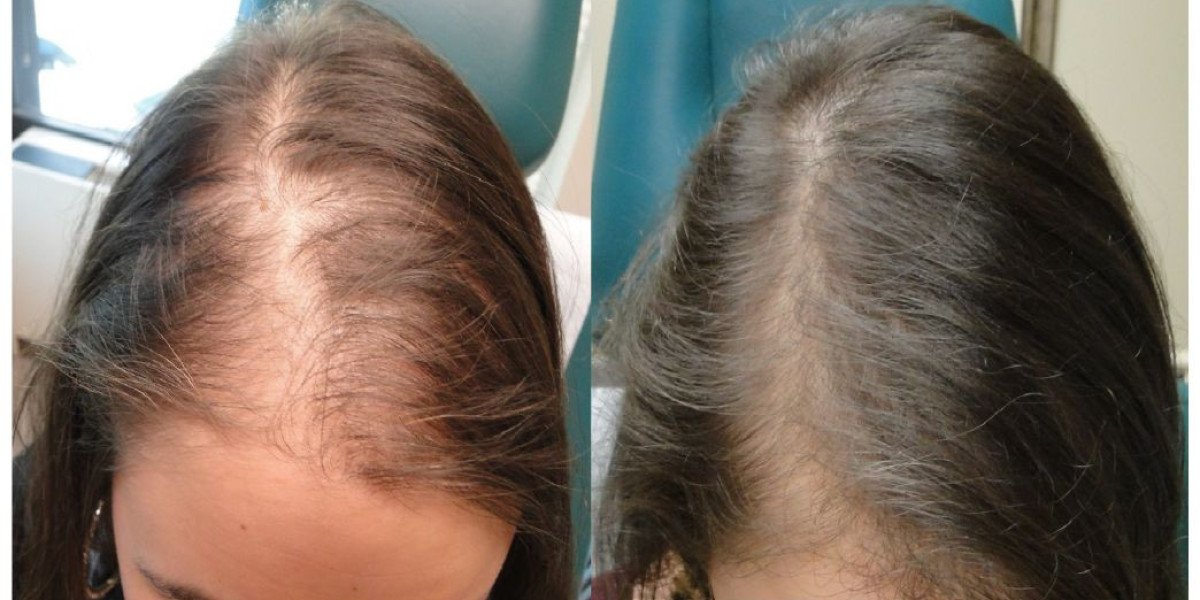

Losing weight can bring positive changes to overall health, but some women notice an unexpected problem afterward: increased hair shedding. Hair may appear thinner around the crown, the parting may become wider, or more strands may collect in the shower and hairbrush. This can be worrying, especially when the weight loss was intentional and the hair changes were not expected.
Female Hair Loss Treatment in Islamabad can help women understand the possible reasons behind persistent thinning and explore appropriate care. At Enfield Royal Clinic in Islamabad, an individualized assessment can help identify whether hair loss may be connected to nutritional changes, physical stress, hormonal factors, or another scalp condition.
How Can Weight Loss Trigger Hair Shedding?
Hair follicles move through different stages of growth, rest, and shedding. Significant weight loss, particularly when it happens quickly, can place physical stress on the body. In some women, this stress causes more follicles than usual to enter the resting phase, followed by increased shedding several weeks or months later.
This pattern is often called telogen effluvium. It can occur after rapid weight loss, restrictive dieting, major illness, surgery, or other significant changes affecting the body.
The shedding may seem sudden even though the triggering event happened earlier. In many cases, this type of hair loss improves after the underlying stressor is addressed, although recovery takes time and the timeline varies from person to person.
Can a Lack of Nutrients Affect Hair Growth?
Yes. Hair growth requires sufficient energy, protein, vitamins, and minerals. Diets that are excessively restrictive may not provide everything the body needs to maintain normal hair growth.
Several nutritional factors may contribute to hair shedding:
Low iron levels: Iron deficiency can contribute to hair loss in some women.
Insufficient protein: Protein provides the building blocks needed for hair structure.
Inadequate calorie intake: Prolonged under-eating can place stress on the body.
Other nutritional deficiencies: Certain vitamin or mineral deficiencies may affect hair health.
However, not every woman who loses weight will develop a deficiency or experience hair loss. Taking supplements without identifying a genuine need is not always beneficial and may sometimes be harmful. A healthcare professional can determine whether blood tests or dietary changes are appropriate.
For women exploring Female Hair Loss Treatment in Islamabad, identifying nutritional concerns is an important step before choosing a procedure or medication.
How Can You Recognize Weight-Loss-Related Hair Loss?
Hair shedding related to rapid weight loss often affects the scalp more diffusely rather than creating one clearly defined bald patch. Women may notice more hair falling during washing, brushing, or changing hairstyles.
Common signs include:
Increased shedding across the scalp.
Reduced fullness in a ponytail.
More visible scalp around the crown.
Hair that feels less dense than before.
Shedding that begins weeks or months after substantial weight loss.
These signs are not exclusive to nutritional or weight-related hair loss. Female pattern hair loss, thyroid conditions, hormonal changes, and certain medications can produce similar symptoms.
If shedding is severe, continues for an extended period, or appears alongside scalp pain, redness, scaling, or bald patches, professional evaluation is recommended rather than assuming that dieting is the only cause.
What Should You Do When Hair Starts Thinning?
The first step is to review how the weight was lost and whether the diet provided adequate nutrition. Sustainable weight management generally involves balanced meals, sufficient protein, and avoiding unnecessarily severe calorie restriction.
It may also be helpful to discuss the timing of the shedding with a healthcare professional. They may ask about recent illnesses, medications, menstrual changes, dietary habits, and the amount of weight lost. Depending on the findings, tests for iron deficiency, thyroid dysfunction, or other potential causes may be recommended.
At Enfield Royal Clinic in Islamabad, women considering Female Hair Loss Treatment in Islamabad can discuss their symptoms and determine which assessment or treatment options may be appropriate. The goal should be to understand the underlying problem instead of relying on products that promise immediate regrowth.
Which Treatments May Help Restore Hair Density?
Treatment depends on whether the hair loss is temporary, related to a nutritional deficiency, associated with hereditary thinning, or caused by another condition.
Correcting the Underlying Cause
When shedding is associated with rapid weight loss or insufficient nutrition, improving dietary adequacy and addressing identified deficiencies may help. Hair recovery does not happen immediately because follicles need time to return to their normal growth cycle.
Medical Treatment
If an assessment identifies female pattern hair loss or another medical cause, a healthcare professional may recommend an appropriate treatment. Topical minoxidil, for example, may benefit some women with female pattern hair loss, but it is not necessary or suitable for every case.
Medication should be selected according to the diagnosis, medical history, and potential side effects. Treatments for hereditary thinning may differ considerably from those used for temporary shedding.
Specialist Hair Treatments
Some women ask about scalp-based procedures or other hair restoration options when density decreases. Suitability depends on the condition of the scalp, the diagnosis, and the available evidence for the proposed treatment.
At Enfield Royal Clinic in Islamabad, discussing Female Hair Loss Treatment in Islamabad can help clarify whether supportive care, medical management, or a specialist procedure should be considered. No treatment can guarantee a particular result, and correcting the underlying cause remains essential.
How Long Does Hair Take to Recover?
Hair recovery is gradual. After a temporary trigger has been addressed, shedding may take several months to settle, and visible improvement in density can take longer. The exact timeline depends on the severity of the shedding, the cause, and the individual's hair-growth cycle.
Taking photographs every few weeks under similar lighting may help track changes without relying entirely on daily observations. Avoiding tight hairstyles, excessive heat, and harsh chemical treatments can also reduce additional breakage while the hair recovers.
If shedding does not improve as expected, a reassessment can help determine whether another condition is contributing to the problem.
How Can Women Protect Their Hair During Weight Loss?
A balanced and sustainable approach to weight management can help reduce unnecessary physical stress. Eating a varied diet, consuming adequate protein, and seeking professional advice before following a highly restrictive eating plan may support overall health.
Women should also avoid assuming that every episode of hair loss requires supplements or a cosmetic procedure. The most useful approach is to identify the cause, address any confirmed deficiencies, and monitor progress over time.
Where Can You Explore Female Hair Loss Treatment in Islamabad?
Hair shedding after weight loss can be distressing, but it does not always mean permanent hair loss. Many cases associated with temporary physical stress improve once the triggering factor is addressed, although other causes may require specific treatment.
Female Hair Loss Treatment in Islamabad should begin with a careful assessment of dietary changes, medical history, scalp health, and the pattern of shedding. At Enfield Royal Clinic in Islamabad, women can discuss suitable options and receive guidance based on their individual concerns.