
Best Auto Care: Best Car Repairs for Peak Performance
Best Car Repairs for Peak Performance Your car does not need to be modified into a track machine to deliver peak performance. In many cases, the biggest improvement comes from restoring the condition the vehicle was designed to have in the first place. A healthy engine, properly inflated tires, responsive brakes, a strong battery, clean fluids, correctly aligned wheels, and a well-maintained cooling system all work together like members of the same team. When one system starts struggling, other components can be forced to work harder, which can gradually affect fuel economy, handling, acceleration, comfort, and reliability. Current guidance from organizations such as AAA and Consumer Reports continues to emphasize preventive maintenance, correct fluids, tire condition, brake inspections, battery testing, and early diagnosis as important parts of keeping a vehicle operating efficiently. The smartest approach to auto care is therefore not waiting for a dramatic breakdown. It is identifying small signs early and choosing the right repair before a manageable issue becomes an expensive one.
Why Preventive Auto Care Matters
Preventive auto care is essentially an investment in the future condition of your vehicle. Imagine ignoring a small leak because the car still drives normally, or continuing to drive with worn tires because they have not completely failed yet. The vehicle may continue moving, but the underlying problem has not disappeared; it is simply waiting for the right conditions to become more serious. Modern cars contain interconnected mechanical, electrical, computer-controlled, and safety systems, so a problem in one area can sometimes influence performance elsewhere. AAA's current maintenance guidance highlights regular attention to oil, brakes, tires, batteries, filters, cooling systems, suspension, exhaust components, and other major vehicle systems as a way to prevent larger problems. Preventive maintenance also gives drivers a chance to identify unusual noises, warning lights, fluid loss, uneven tire wear, rough starting, poor acceleration, vibration, or changes in braking behavior before those symptoms develop into a major repair. The goal is simple: maintain the vehicle before it demands attention.
Engine Repair and Performance
The engine is at the heart of your vehicle's performance, and even a small mechanical or maintenance issue can change how the car feels on the road. Problems such as poor ignition, clogged filters, contaminated fluids, failing sensors, vacuum leaks, overheating, worn belts, or lubrication problems can reduce power and efficiency. Engine oil deserves particular attention because it lubricates moving internal components, helps control heat, and assists with keeping the engine clean. Consumer Reports' October 2026 guidance describes motor oil as essential to engine operation and recommends checking the level regularly while using the correct oil specified for the vehicle. When an engine begins to feel sluggish, idle roughly, consume unusual amounts of oil, produce unfamiliar sounds, or trigger a warning light, guessing is rarely the best strategy. Professional engine diagnostics can identify whether the issue is mechanical, electrical, fuel-related, ignition-related, or connected to emissions and sensors. A proper repair restores the underlying problem rather than simply masking the symptom, helping the engine deliver smoother power and more predictable performance.
Engine Diagnostics and Warning Lights
Modern engine diagnostics have transformed auto repair from a process based largely on symptoms into a much more precise investigation. When a check engine light appears, it does not automatically mean that the engine itself has suffered catastrophic damage. The warning can be connected to numerous possibilities, ranging from relatively simple faults to problems requiring immediate attention. Consumer Reports notes that a check engine warning can indicate issues including a loose fuel cap or a serious engine misfire, which is why the light should be interpreted alongside the vehicle's symptoms and diagnostic information. Professional diagnostic equipment can communicate with the vehicle's electronic control systems and retrieve fault information that helps technicians narrow down the cause. A skilled technician then combines those codes with inspection, testing, manufacturer specifications, and real-world symptoms instead of automatically replacing whichever component is associated with the code. This distinction matters because replacing parts without confirming the root cause can waste money and leave the original problem unresolved. If your car has rough acceleration, stalling, unusual idling, reduced power, poor fuel economy, or persistent warning lights, accurate diagnostics should be one of the first steps toward restoring performance.
Oil Service and Fluid Maintenance
Fluids are easy to overlook because they do not attract much attention when everything is working properly. Yet engine oil, coolant, brake fluid, transmission fluid, and other vehicle-specific fluids perform critical jobs every time you drive. Engine oil reduces friction between moving parts, transmission fluid supports lubrication and power transfer, coolant helps control operating temperature, and brake fluid transfers hydraulic pressure through the braking system. AAA's current fluid guidance emphasizes using the fluid type specified for the particular vehicle and checking fluid levels according to appropriate procedures. Using an incorrect specification can be just as problematic as ignoring a service interval, especially in modern vehicles with tightly engineered components and manufacturer-specific fluid requirements. The right repair shop should therefore avoid treating every vehicle as though it needs the same oil, coolant, or transmission service. The owner's manual and manufacturer service information should guide the required specification and interval. Good fluid maintenance is not simply about topping up a reservoir; it is about checking for contamination, leaks, degradation, incorrect levels, and other signs that may reveal a larger mechanical problem.
Brake Repair for Safer Performance
A vehicle cannot deliver genuine peak performance if its braking system is not performing correctly. Acceleration may get attention because it feels exciting, but controlled braking is what allows a driver to manage speed, traffic, corners, and unexpected situations safely. Brake pads, rotors, calipers, brake fluid, hoses, sensors, and related components all contribute to braking performance, and wear in one component can influence the condition of another. AAA recommends professional brake attention when drivers notice symptoms such as warning lights, low fluid indicators, pulsation, pulling, grinding, or unusual braking noises. Ignoring these signs can allow relatively simple wear to develop into more extensive repairs, particularly if severely worn brake pads damage rotors or if a hydraulic problem causes fluid loss. Brake performance should also feel predictable: the pedal should not suddenly become unusually soft, the vehicle should not pull strongly to one side, and braking should not produce unexplained grinding or severe vibration. Regular inspection allows technicians to measure component condition and determine whether the appropriate solution is pad replacement, rotor service or replacement, fluid service, caliper repair, or another brake-system repair.
Brake Inspection and Pad Replacement
Brake pad replacement is one of the most common forms of auto repair, but the correct timing depends on vehicle design, driving conditions, component quality, and individual driving habits. A driver who spends most of the day in heavy traffic may experience different brake wear from someone who drives mostly on open roads. The important point is not to rely exclusively on a predetermined mileage figure. Instead, brake inspection should consider pad thickness, rotor condition, caliper operation, brake fluid condition, unusual noises, pedal behavior, and the vehicle's braking response. AAA currently recommends checking brake pads around tire-rotation intervals or according to the vehicle manufacturer's guidance, while also paying attention to warning signs. When brake pads become excessively worn, the backing material can contact the rotor and create expensive damage. A quality repair should therefore assess the entire braking system rather than simply replacing the most obvious component. For drivers seeking peak vehicle performance, a properly maintained brake system provides confidence, predictable pedal feel, and controlled stopping performance while protecting other components from unnecessary wear.
Tire Repair, Rotation, and Alignment
Tires are the only parts of your vehicle that continuously touch the road, making their condition fundamental to acceleration, cornering, braking, comfort, and fuel efficiency. Even a powerful engine cannot compensate for poor tire condition or incorrect tire pressure. AAA recommends checking tire pressure when tires are cold, inspecting tread and wear patterns, and paying attention to tire condition; its current guidance also notes that tires with less than 4/32 inch of tread provide less traction on wet roads. Tire rotation can help manage uneven wear, while wheel alignment becomes especially important when the vehicle pulls to one side, the steering wheel is off-center, or the tires show unusual wear patterns. A vehicle that is slightly misaligned may still drive, but the driver can experience reduced handling precision and accelerated tire wear. Professional tire service should include inspection for punctures, sidewall damage, uneven wear, incorrect pressure, and alignment-related issues. For drivers who want peak performance, properly maintained tires provide a stable foundation for every other system because steering, braking, and acceleration ultimately depend on the vehicle maintaining reliable contact with the road.
Suspension and Steering Repairs
A healthy suspension system does much more than make a car comfortable. Shock absorbers, struts, control arms, bushings, ball joints, tie rods, wheel bearings, and related components help keep the tires properly positioned and connected to the road. When these components wear, drivers may notice bouncing, excessive body movement, uneven tire wear, steering looseness, clunking sounds, vibration, or a vehicle that feels unstable over uneven surfaces. Steering problems can also become progressively worse, particularly when worn joints or suspension components affect wheel alignment and tire contact. A proper suspension inspection should therefore look beyond the loudest noise and identify which components are actually worn or damaged. Replacing one component without checking related parts can sometimes result in an incomplete repair. Peak performance is not simply about having a soft ride; it is about achieving controlled movement, stable steering response, predictable cornering, and consistent tire contact. If your vehicle has started feeling loose, harsh, bouncy, or uneven, a suspension and steering inspection can reveal problems before they become more expensive or compromise driving confidence.
Cooling System and Overheating Repairs
The cooling system protects the engine from excessive heat, making it one of the most important systems for long-term reliability. Radiators, coolant, hoses, thermostats, water pumps, cooling fans, expansion tanks, and related components work together to control engine temperature. A small coolant leak may initially appear harmless, but losing enough coolant can eventually lead to overheating and potentially severe engine damage. AAA recommends checking coolant when the engine is cold and inspecting belts, hoses, and clamps for signs of wear. Drivers should never ignore repeated coolant loss, rising temperature readings, warning lights, sweet smells, visible leaks, or steam from the engine compartment. A professional technician can pressure-test the cooling system, inspect hoses and connections, evaluate thermostat and fan operation, and determine whether the problem is a simple leak or evidence of a deeper fault. Preventing overheating is much more economical than repairing an engine damaged by excessive temperature. In hot climates, cooling-system condition becomes even more important because high ambient temperatures place additional demands on a vehicle that already operates under substantial thermal stress.
Battery and Electrical System Service
A vehicle's electrical system is increasingly important because modern cars depend on electronics for starting, charging, lighting, communication, safety systems, climate control, infotainment, driver assistance, and engine management. A weak battery can create strange symptoms that drivers may incorrectly blame on another component. Slow cranking, intermittent electrical faults, warning messages, flickering lights, difficulty starting, or repeated battery discharge can all justify an electrical-system inspection. AAA currently recommends testing battery and charging-system performance, particularly as a battery ages, while also checking terminals and connections for corrosion. A professional inspection can evaluate battery condition, alternator output, starter operation, charging voltage, connections, and parasitic electrical drains. This is particularly important for vehicles packed with electronic modules, where an underlying voltage problem can produce multiple seemingly unrelated warning messages. Replacing a battery without investigating why it failed may only provide a temporary solution. Effective electrical repair means identifying the actual cause and restoring stable power throughout the vehicle's electrical network.
Air Filters and Intake System Repairs
Airflow is essential to efficient engine operation, which makes the engine air filter and intake system important parts of routine auto care. The engine needs an appropriate supply of clean air to support combustion, and a heavily restricted filter can make the engine work harder and affect efficiency and response. AAA recommends inspecting engine air filters as part of routine maintenance and replacing them when necessary. The exact replacement interval should still follow the manufacturer's requirements because driving environments differ considerably. Vehicles regularly driven through dusty environments may require more frequent attention than those operating primarily in clean conditions. The intake system should also be inspected for damaged ducts, loose connections, contamination, or other problems that can interfere with proper airflow. Cabin air filters are separate from engine air filters but are also important because a clogged cabin filter can reduce airflow through the climate-control system and affect interior air quality. Keeping both filters in good condition is a relatively straightforward part of best auto care, but it can contribute to smoother operation, better climate performance, and a cleaner driving environment.
Transmission and Drivetrain Repairs
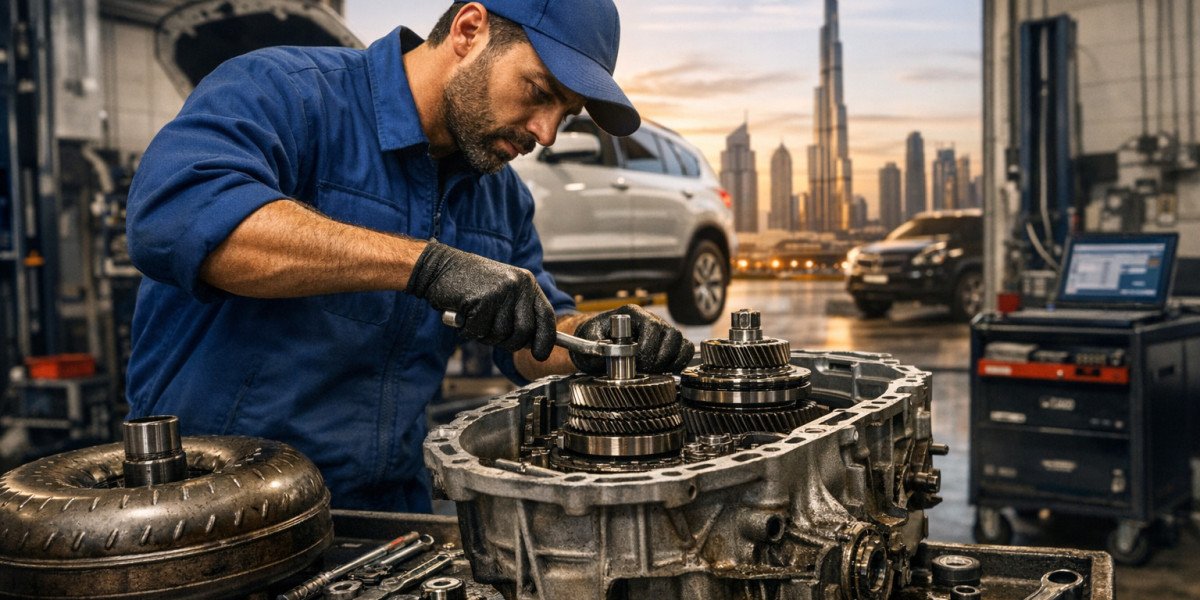
The transmission is responsible for transferring engine power to the wheels in a way that allows the vehicle to accelerate smoothly across different driving conditions. Automatic, manual, dual-clutch, and continuously variable transmissions use different technologies and service requirements, so transmission maintenance should never be based on a generic procedure. Warning signs can include delayed engagement, slipping, harsh shifting, unusual noises, vibration, fluid leaks, or hesitation when changing gears. Some newer transmissions use sealed systems, meaning there may not be a conventional dipstick or routine fluid-check procedure available to the driver; AAA specifically notes that some newer vehicles require service when a leak or other issue is identified. Professional transmission diagnostics can help determine whether the problem involves fluid condition, electronic controls, mechanical wear, sensors, clutch components, mounts, or another drivetrain issue. Early diagnosis can be valuable because continuing to drive with a transmission problem may increase component damage. The best transmission repair is therefore not automatically the most expensive repair; it is the repair that correctly identifies the cause and follows the vehicle manufacturer's technical requirements.
AC and Climate Control Repairs
A vehicle's air-conditioning system has a direct effect on comfort, but it also depends on a collection of mechanical and electrical components that require proper diagnosis when performance changes. Weak cooling may result from low refrigerant caused by a leak, compressor problems, condenser restrictions, evaporator issues, electrical faults, a malfunctioning expansion component, or airflow restrictions. Simply adding refrigerant without finding a leak may provide temporary improvement while allowing the underlying problem to remain. A professional AC inspection can assess cooling performance, pressures, electrical operation, compressor engagement, airflow, and signs of refrigerant leakage. In extremely hot climates, reliable climate control is more than a luxury because drivers and passengers spend substantial time inside vehicles exposed to high temperatures. Cabin filters should also be considered because restricted airflow can reduce the effectiveness of the climate-control system. The best approach is to diagnose the complete system rather than automatically replacing the compressor or repeatedly recharging refrigerant. Correct AC repair restores cooling efficiency while reducing the likelihood of unnecessary parts replacement and repeated service visits.
Exhaust and Emissions System Repairs
The exhaust system performs several jobs beyond simply carrying gases away from the engine. Exhaust components help control noise and emissions while working with sensors and emissions-control equipment to maintain appropriate engine operation. Problems can involve leaks, damaged pipes, mufflers, catalytic converters, oxygen sensors, particulate filters, or other components depending on the vehicle. AAA recommends inspecting exhaust components for damage, rust, and leaks because exhaust problems can have safety implications as well as performance consequences. Drivers may notice unusual exhaust sounds, odors, reduced performance, warning lights, or changes in fuel economy when an exhaust or emissions issue develops. A professional diagnostic process can distinguish between an actual component failure and a warning caused by another underlying problem. Replacing expensive emissions components without first confirming the root cause can lead to unnecessary expense. A properly repaired exhaust and emissions system supports engine efficiency, helps the vehicle meet applicable emissions requirements, and prevents potentially dangerous exhaust gases from entering areas where they should not be.
Computer Diagnostics for Modern Vehicles
Today's vehicles are essentially computers on wheels, combining traditional mechanical systems with dozens of electronic control modules and sensors. This technology can improve efficiency, safety, comfort, and performance, but it also means that modern auto repair requires diagnostic expertise. A vehicle may experience a warning message because of a failed sensor, wiring problem, low voltage condition, communication fault, software-related issue, or genuine mechanical failure. Diagnostic scanning is therefore most useful when it is treated as the beginning of an investigation rather than the final answer. Technicians should interpret fault information alongside physical inspection, live data, manufacturer procedures, and the driver's description of the symptoms. Consumer Reports advises that dashboard warning lights should not simply be ignored, with red warnings generally indicating more serious conditions and amber warnings requiring timely attention. Accurate diagnostics can save time by narrowing the search and preventing unnecessary parts replacement. For luxury, European, German, hybrid, and electronically complex vehicles in particular, the combination of appropriate diagnostic equipment and technician experience can make a major difference in repair accuracy.
Choosing the Right Auto Repair Shop
The quality of the repair shop matters almost as much as the quality of the replacement parts. A professional-looking workshop is useful, but appearance alone does not prove technical competence. Consumer Reports recommends considering the experiences of people who have actually used a repair shop and notes that judging repair quality from size or cleanliness alone can be difficult. A strong repair facility should communicate clearly, explain the diagnosed problem, provide an understandable estimate, use appropriate equipment, and avoid recommending work that is not supported by the vehicle's actual condition. It should also understand that different makes and models have different service requirements. Before authorizing a major repair, ask what was diagnosed, what evidence supports the recommendation, which parts will be replaced, and whether additional problems were found during inspection. Good communication creates a repair process that feels less like guesswork and more like a structured solution. When drivers find a trustworthy shop and maintain consistent records, future service becomes easier because technicians can understand the vehicle's repair history and identify developing patterns.
Maintenance Schedule for Peak Vehicle Performance
A maintenance schedule provides the framework that keeps individual repairs from becoming random reactions to breakdowns. The most reliable starting point is always the vehicle manufacturer's maintenance schedule because service intervals and fluid specifications vary between models, engines, transmissions, and operating conditions. Consumer Reports emphasizes the owner's manual as a valuable source for understanding required fluids and maintenance intervals. Routine maintenance can include oil and filter service, tire inspections and rotation, brake checks, fluid inspections, battery testing, filter replacement, cooling-system inspection, and manufacturer-specific services. Drivers should also pay attention to mileage, time, driving conditions, and warning signs rather than relying on mileage alone. Vehicles used frequently in heavy traffic, dusty environments, extremely hot weather, or repeated short journeys may experience different stresses from vehicles driven mostly on open roads. AAA's recent maintenance guidance similarly emphasizes following a predictable schedule and addressing problems before they become major repairs. A consistent schedule transforms auto care from emergency spending into planned vehicle ownership, helping preserve performance, reliability, safety, and long-term value.
Common Signs Your Car Needs Repair
Your vehicle often communicates its condition through small changes long before a breakdown occurs. A new vibration, squealing brake, steering pull, rough idle, unusual smell, fluid spot, warning light, difficult start, reduced acceleration, or change in fuel consumption can all be useful clues. Drivers sometimes become accustomed to gradual changes because they happen slowly, but familiarity does not mean the condition is normal. Warning signs should be compared with how the vehicle behaved previously, especially when the change appears suddenly or continues to become more noticeable. Dashboard warnings deserve particular attention because modern vehicles use them to communicate system faults and maintenance needs. Another important clue is repetition: if a problem disappears temporarily and then returns, it may indicate an underlying issue rather than a random event. Writing down when the symptom occurs, what the vehicle is doing, whether the engine is hot or cold, and whether any warning lights appear can help a technician diagnose the issue more efficiently. Early attention is often the difference between a targeted repair and a much larger repair bill.
Best Auto Care Strategy for Long-Term Performance
The best auto care strategy is proactive, manufacturer-informed, and based on evidence rather than assumptions. Start with the basics: use the correct oil and fluids, maintain appropriate tire pressure, inspect brakes, monitor battery condition, replace filters when required, and follow the manufacturer's service schedule. Then pay attention to the vehicle's behavior because maintenance intervals cannot predict every component failure. When something changes, obtain a proper diagnosis instead of waiting for the problem to become severe or replacing parts based only on a guess. Consumer Reports' current maintenance guidance emphasizes that keeping up with basic upkeep is one of the most effective ways to help a vehicle last longer and avoid expensive repairs. This philosophy applies whether you drive a compact commuter car, SUV, performance vehicle, luxury sedan, European model, or work vehicle. Peak performance is not created by one magical repair. It comes from dozens of small decisions that keep the engine lubricated, tires connected to the road, brakes responsive, cooling systems stable, electronics reliable, and every major component working as intended.
Conclusion: Keep Your Car Ready for the Road
Peak performance begins with taking ordinary maintenance seriously. The most valuable car repairs are not necessarily the most dramatic ones; they are the repairs that restore a vehicle before a small issue becomes a larger failure. Engine service, diagnostics, oil and fluid maintenance, brake repairs, tire care, wheel alignment, suspension work, cooling-system repairs, battery service, transmission maintenance, AC repair, exhaust inspection, and electrical diagnostics all have an important place in a complete auto-care strategy. Current 2026 guidance from AAA and Consumer Reports consistently points toward the same basic principle: follow the manufacturer's maintenance requirements, inspect important systems regularly, and respond to warning signs before they develop into costly problems. Your vehicle does not need to be perfect to perform well, but it does need its important systems working together correctly. Treat maintenance as an ongoing relationship with your car rather than an emergency response, and you give yourself a better chance of enjoying smoother performance, greater reliability, safer handling, and a vehicle that remains ready for the road for years to come.
FAQs
1.What is the most important car repair for peak performance?
There is no single repair that is best for every vehicle because performance depends on the condition of multiple systems. Engine oil service, tire maintenance, brake inspection, diagnostics, cooling-system checks, battery testing, and manufacturer-recommended maintenance are among the most important areas. If the vehicle is showing a specific symptom, accurate diagnosis should come before choosing a repair.
2.How often should I service my car?
The correct interval depends on the vehicle's make, model, engine, transmission, age, mileage, and driving conditions. The owner's manual should be the primary reference for maintenance intervals and fluid specifications. Heavy traffic, dusty environments, extreme temperatures, towing, and frequent short trips may create additional maintenance demands.
3.Can regular maintenance improve fuel economy?
Proper maintenance can help a vehicle operate efficiently, although the exact effect depends on the vehicle and the underlying problem. Correct tire pressure, appropriate engine oil, clean filters, healthy ignition and fuel systems, proper alignment, and timely repairs can all support efficient operation. A sudden drop in fuel economy should be investigated rather than automatically attributed to normal vehicle aging.
4.Should I repair a check engine light immediately?
A check engine light should not be ignored. The severity depends on the warning behavior and the vehicle's symptoms, with flashing warnings or serious running problems requiring particularly prompt attention. A diagnostic scan combined with professional testing can help determine the actual cause instead of assuming that one particular component has failed.
5.How do I choose the best auto repair shop?
Look for a repair facility with qualified technicians, suitable diagnostic equipment, transparent communication, clear estimates, and experience with your vehicle type. Ask what was diagnosed and why a repair is recommended. A trustworthy shop should be able to explain the problem in understandable language and distinguish necessary repairs from optional maintenance.











