
Understanding the Metal Structure Behind the Design
When choosing an engagement ring, it is easy to focus on the center stone, its shape, and the small details around it. However, the metal framework deserves just as much attention. It supports the diamond, keeps the setting in place, and affects how the ring feels during everyday activities.
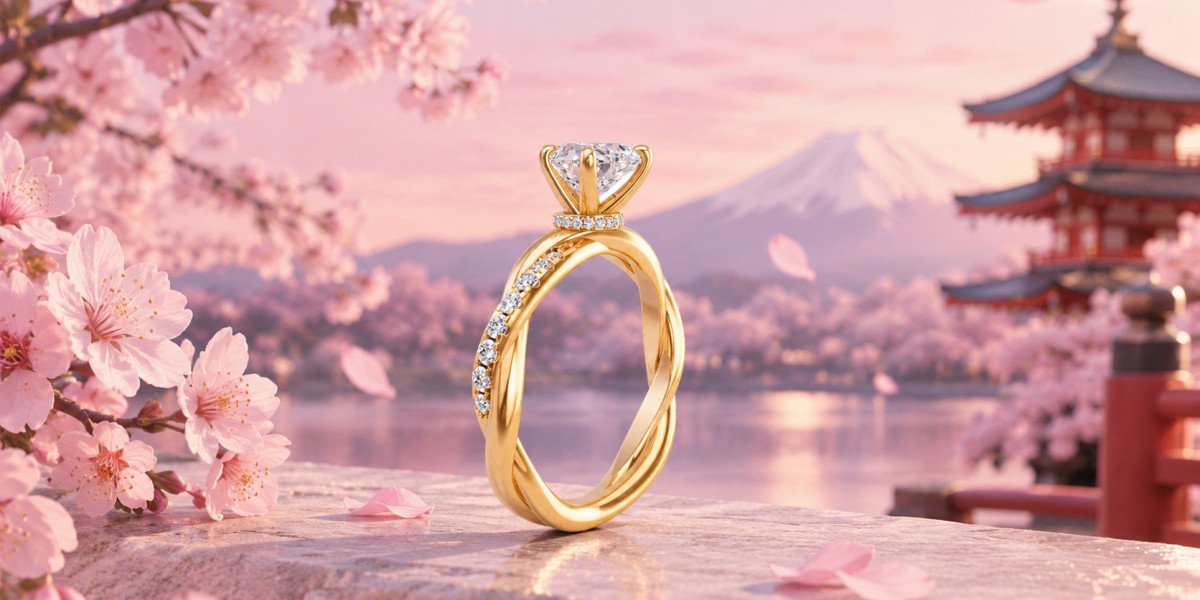
A hidden halo setting has a band and raised structure that hold the center diamond, with a small circle of smaller diamonds placed beneath the main stone. Because this extra detail sits under the center diamond, the framework needs to provide enough room and support without making the ring uncomfortable to wear.
Understanding how these parts work together can help you choose a ring that suits your daily routine and personal preferences. It can also help you avoid problems such as loose stones, uncomfortable edges, or a setting that requires more maintenance than you expected.
How the Metal Framework Supports the Center Stone
The framework is the part of the ring that holds everything together. Although much of it may be hidden when viewed from above, each section has a practical purpose.
The Band and Its Thickness
The band wraps around your finger and connects to the setting. Its thickness and width influence how strong the ring feels and how it sits on your hand.
A very thin band may appeal to someone who prefers a delicate look, but it needs careful design to support the overall structure. A slightly wider or thicker band may provide more material, although the best choice depends on the metal, ring design, and stone size.
Think about how you use your hands throughout the day. If you work with tools, type for long periods, or regularly handle heavy objects, discuss band thickness with a jeweler before making your decision.
The Head and Hidden Halo
The head is the upper part of the ring that holds the center diamond. In this design, it also provides space for the smaller diamonds underneath.
The hidden halo should be secured within the structure rather than added in a way that leaves the smaller stones exposed to frequent knocks. The height of the head matters, too. A higher setting can allow more room beneath the center stone, but it may catch on clothing or feel less practical for some people.
Ask to see the ring from the side as well as from above. This gives you a better idea of how the framework is built and whether the height suits your needs.
Choosing a Metal for Daily Wear
Different metals have different properties, costs, and care requirements. The right option depends on your budget, preferred color, and how you plan to wear the ring.
Yellow Gold
Yellow gold offers a warm color that works well with many diamond shapes. It is available in different purity levels, including 10K, 14K, and 18K.
Higher-karat gold contains more pure gold, while lower-karat options contain a greater proportion of other metals. These differences can affect hardness, color, and maintenance needs. The exact performance also depends on the alloy used.
White Gold
White gold is often chosen by people who prefer a light-colored metal around their diamond. It is made by combining gold with other metals and may have a rhodium coating to give it a bright white finish.
That coating can wear down with time, so occasional replating may be needed. Before choosing white gold, ask about the care schedule and the cost of future maintenance.
Rose Gold
Rose gold has a pinkish color created by its copper content. It can be a good choice if you want a warmer metal tone without choosing traditional yellow gold.
Its strength and wear characteristics depend on the particular alloy. If you have metal sensitivities, ask a jeweler about the full composition rather than judging the metal by its color alone.
Platinum
Platinum is a naturally white metal often selected for engagement rings. It is dense and has good resistance to corrosion, making it a useful option for a ring intended for regular wear.
However, platinum is not scratch-proof. It can develop surface marks, and its weight may feel different from gold. Compare both metals in person if comfort is an important part of your decision.
Why Prongs and Connections Matter
The metal around the center diamond does more than create the ring's appearance. It also helps prevent the stone from moving out of position.
Prongs need to fit securely over the diamond's edges. Their number, shape, and placement depend on the stone's cut and the setting design. The smaller diamonds in the hidden halo also need secure individual settings.
Pay attention to the connections between the band and the head. These areas experience stress during normal wear and should be checked by a qualified jeweler from time to time.
If a ring feels loose, catches on fabric, or makes a new rattling sound, stop wearing it until it can be inspected. Continuing to wear a ring with a loose stone can increase the chance of damage or loss.
Matching the Framework to Your Lifestyle
The best setting is not necessarily the one with the most metal or the lowest profile. It is the one that balances stone security, comfort, and the way you live.
If you work with your hands, prefer a simple routine, or participate in sports, ask whether the height and design are suitable for frequent wear. Removing your ring during exercise, heavy lifting, cleaning, and activities that could cause impact can help reduce unnecessary stress on the setting.
Also consider how the ring fits beside a wedding band. A hidden halo design may have a raised head or a shape that affects how closely another ring can sit beside it. Trying both rings together can help you spot gaps or pressure points before purchasing.
When comparing designs, Explore Products for a hidden halo diamond ring and pay attention to the side profile, band width, metal choice, and the way the smaller stones are held in place.
Simple Care for the Metal Framework
Regular care helps you notice small issues before they become more serious. You do not need an elaborate cleaning routine, but you should handle the ring gently.
Clean it carefully: Use lukewarm water, mild soap, and a soft brush when the metal and stone are suitable for this method. Avoid harsh chemicals and abrasive cleaners.
Check the setting: Look for bent prongs, loose stones, or visible damage. Do not try to tighten or reshape the metal yourself.
Store it safely: Keep the ring in a separate, soft-lined compartment to reduce scratches from other jewelry.
Arrange professional inspections: Ask a jeweler how often the setting should be checked, especially if you wear the ring frequently.
Follow metal-specific advice: White gold may need replating, while other metals have different polishing and maintenance requirements.
If your ring needs repair, choose a jeweler who understands the specific metal and the construction of a hidden halo setting.
Questions to Ask Before Buying
Before choosing your ring, ask a few practical questions:
What metal and purity level are used in the band and setting?
Is the band thick enough for the intended design and stone size?
How are the center diamond and smaller halo diamonds secured?
How high does the center stone sit above the finger?
Can the ring sit comfortably beside a wedding band?
What cleaning, inspection, and repair services are available?
Clear answers can help you compare rings beyond their appearance and understand the care they may need over time.
Make a Confident Choice
The metal framework plays an important role in how an engagement ring fits, supports its diamonds, and holds up to everyday use. Band thickness, metal type, prong placement, and the height of the setting all deserve attention before you make a purchase.
Take time to compare these details and ask questions whenever something is unclear. At Antiquecut, exploring different ring designs can help you understand the available options and find a setting that fits your preferences. A thoughtful choice can make wearing and caring for your ring feel much easier for years to come.











