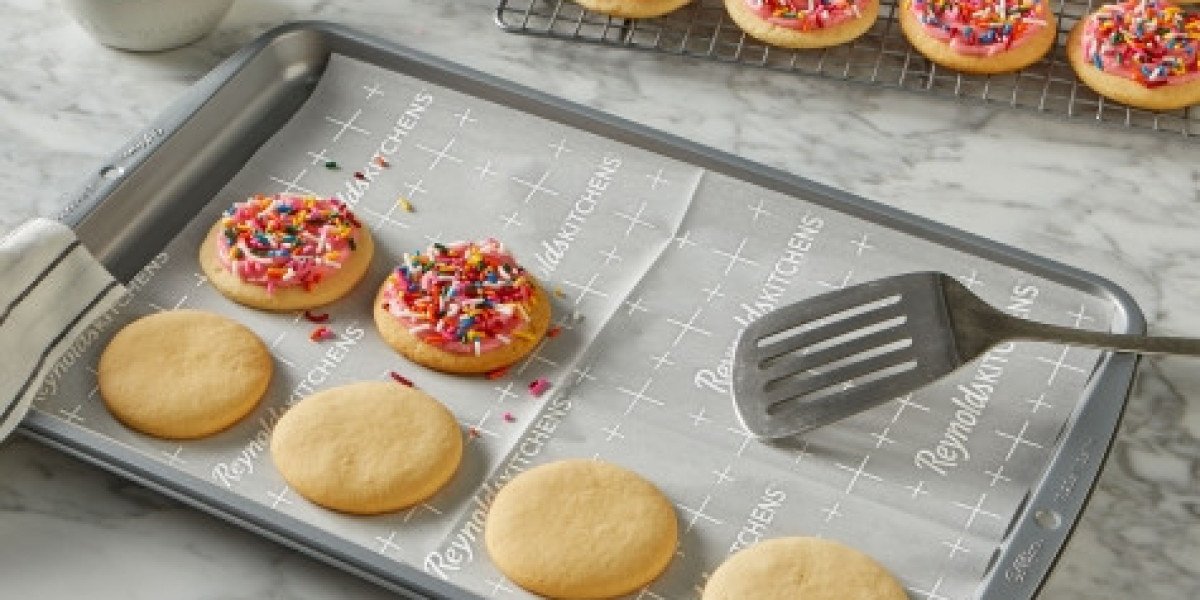

Professional food preparation depends on materials that support efficient handling, predictable results, and organized kitchen operations. Baking Paper is commonly used to line trays, separate food items, and help reduce direct contact between baked products and metal surfaces. Its practical value extends beyond convenience because suitable paper formats can help standardize preparation routines and simplify cleaning. For bakeries, restaurants, catering companies, and food manufacturers, choosing an appropriate product requires attention to intended use, surface properties, dimensions, and storage conditions.
Material selection begins with understanding the application. A small bakery preparing cookies may prioritize convenient sheets that fit standard trays, while a large food production facility may require continuous rolls compatible with its equipment. Restaurants and catering businesses may value products that can be prepared quickly during busy service periods. These differences affect the required dimensions, handling characteristics, packaging quantities, and purchasing volumes. Defining the working environment before placing an order helps prevent unnecessary waste and ensures that the product matches the actual workflow.
The base paper influences the strength and handling behavior of the finished material. Factors such as thickness, formation, flexibility, and surface quality can affect how easily paper is positioned on a tray or processed through converting equipment. Manufacturers must consider these characteristics alongside the intended end use. A paper that is suitable for one format may not provide the same convenience in another application. Buyers should therefore compare products using practical criteria rather than assuming that materials with similar appearances will perform identically.
Silicone-coated products are often selected when release performance is important. A suitable coating can help reduce sticking during baking and make it easier to remove finished products from the lined surface. Consistent coating application is important because uneven coverage may affect usability. The interaction between the coating and base paper also contributes to the finished product's behavior during handling and use. Buyers should confirm the intended application and review relevant product information before selecting a material for particular food preparation conditions.
Dimensional accuracy contributes to efficient kitchen routines. Sheets that fit trays correctly are easier to position and may reduce the need for trimming. Rolls provide flexibility where users need to cut different lengths according to the task. For businesses operating several ovens or preparation stations, consistent dimensions help standardize procedures and simplify replenishment. Purchasing teams should consider the equipment in use, the available storage space, and the preferred method of handling when deciding between sheets, rolls, and specialty formats.
Different food businesses may use paper products at several stages of preparation. Bakeries can use them for cookies, pastries, bread products, and other suitable baked goods. Food processors may require materials for separating portions or organizing products before further processing. Catering operations can benefit from formats that are easy to distribute between workstations. However, suitability depends on the exact product design and its stated conditions of use. Temperature limits, food-contact requirements, and application guidance should be verified rather than assumed.
Quality assurance helps maintain consistency from one purchase to the next. Buyers can check samples for dimensions, surface appearance, ease of handling, and compatibility with their equipment. For larger orders, written specifications should identify the accepted product format, packaging, and relevant quality criteria. Manufacturers can support this process through incoming material inspection, coating process controls, converting checks, and finished-product review. Documented quality procedures make it easier to identify discrepancies and communicate clearly when a product does not match expectations.
Storage and packaging also influence day-to-day usability. Paper should be protected from excessive moisture, dust, and physical damage before it reaches the kitchen. Sealed inner packaging can help maintain cleanliness, while appropriate cartons make products easier to count and organize. Businesses with limited storage space may prefer packaging that allows efficient stacking and simple stock rotation. Keeping supplies in suitable storage conditions and following the product's handling guidance can help preserve the material until it is needed.
Procurement teams should evaluate total operational value rather than focusing exclusively on the purchase price. A product that fits existing equipment, arrives in practical packaging, and performs consistently may help reduce preparation delays and material waste. Order quantities should reflect consumption rates, available storage, and replenishment lead times. For distributors, maintaining a balanced assortment of sheet sizes, rolls, and specialized liners may also help meet varied customer needs without overcomplicating inventory.
For commercial buyers assessing Baking Paper, a clear understanding of the application, material characteristics, and required format supports more informed purchasing decisions. Guanghe provides food paper solutions for professional and everyday food preparation, with product categories available at https://www.guanghepaper.com/product/ for businesses comparing formats and planning their supply requirements.