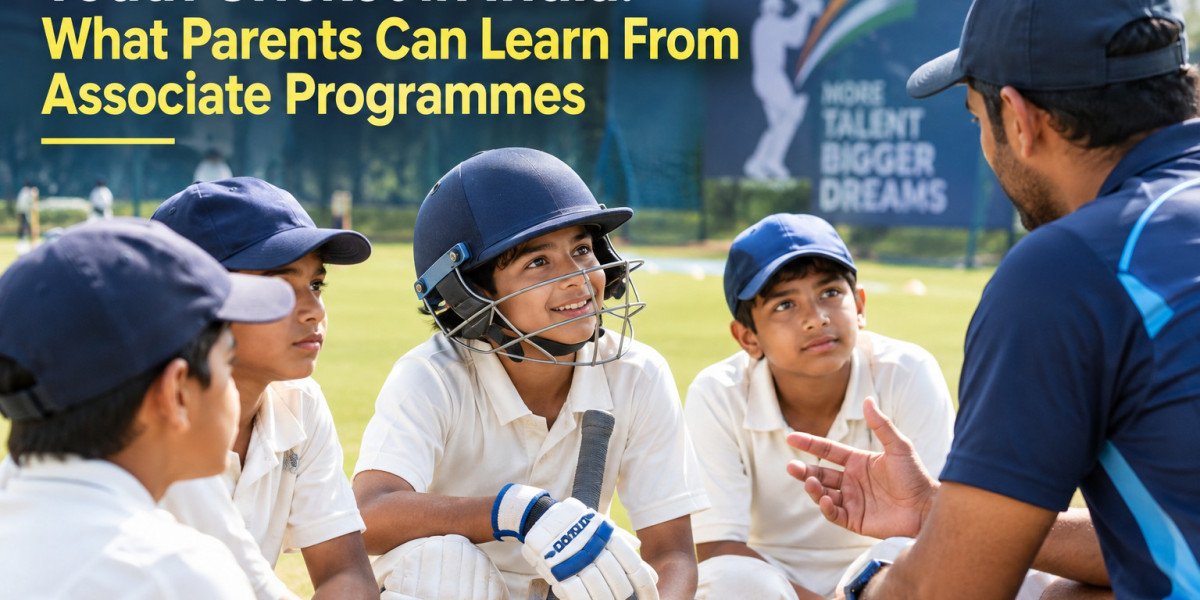

India produces more young cricketers than any other country, yet many parents still wonder how to guide a child who loves the game. Should they train daily? Join an academy? Focus on studies? Associate cricket nations, which build talent with limited resources, offer useful lessons. Their programmes prioritise enjoyment, fundamentals and balance. Parents who follow the Official Sky Exchange for fixtures of associate teams can use match viewing as a teaching tool. This article offers practical ideas for families.
Start with enjoyment
Associate programmes begin with fun. Children play modified games, use soft balls and learn through play. Coaches avoid heavy pressure in the early years, because a child who loves the game will stay in it.
Parents can do the same. Let your child play with friends in the neighbourhood, try different roles and enjoy the game without fear of failure. Passion grows best when it is not forced.
Fundamentals first
Good technique forms a strong base. Coaches teach grip, stance, simple strokes and bowling actions before moving to advanced skills. They emphasise catching and throwing, which are useful in every position.
At home, you can support this by encouraging simple drills. A child can practise catching a ball against a wall or throwing at a target. Short regular sessions are more useful than occasional long ones.
Balance with education
Many associate players combine cricket with school or work. Their programmes emphasise education and teach that sport is one part of a rounded life. This balance helps if a player does not become a professional.
Indian families often face heavy study pressure. A flexible schedule can allow both. Set clear times for homework and practice, and be realistic about what your child can manage. Watching a short highlights package together can be a reward after study.
Fitness and injury prevention
Young bodies need care. Coaches introduce warm-ups, stretching and gradual workloads. Fast bowlers, in particular, are monitored to prevent overuse injuries.
Parents can help by ensuring adequate sleep, nutrition and rest days. Avoid pushing a child to play every day in heavy heat. Listen to complaints of pain and consult professionals when needed. Healthy habits protect long-term participation.
Choosing the right coach
A good coach is patient, qualified and positive. Associate programmes invest in coach education because they know the influence a coach has. Look for someone who focuses on development, communicates well with children and respects safety.
Visit a session before enrolling. Observe how the coach treats players, how sessions are organised and whether children seem happy. Trust your instincts, and ask other parents for feedback.
Learning from role models
Children love to watch their heroes. Associate matches offer relatable role models, such as players who juggle work and cricket. Their stories teach resilience and humility.
Watch matches together and discuss what you see. Ask your child what the captain did well or how the bowler used variations. This builds understanding and creates special family moments. Readers who plan viewing through the Official Sky Exchange can pick suitable matches for children.
Supporting without pressure
Parents play a delicate role. Encouragement is vital, yet excessive pressure can harm. Associate coaches often tell parents to be supporters, not coaches. After a match, focus on effort and learning rather than only results.
Simple phrases like "I enjoyed watching you play" create a positive atmosphere. Avoid criticising umpires or other children in front of your child. Model good sportsmanship, and your child will follow.
Creating pathways
In India, pathways include school teams, district competitions and academies. Associate nations show that a clear structure helps, with age-group teams and regular competition.
Parents can research local opportunities and attend trials. Keep expectations realistic, and remember that development takes years. Even if your child does not reach the top level, cricket can teach valuable life skills.
Safety and equipment
Proper equipment protects young players. Helmets, pads and guards should fit well. Replace damaged gear promptly. Coaches should enforce rules about helmets and safe distances.
Ensure grounds are safe, free from hazards and suitable for the age group. Provide water, sunscreen and hats. Small precautions prevent many problems.
Handling setbacks and selection disappointments
Every young player faces setbacks, such as missing selection or having a bad match. Associate programmes teach resilience by encouraging players to reflect and try again. Coaches highlight what the player did well and suggest one thing to improve.
Parents can help by listening and staying positive. Avoid comparing your child to others. Remind them that many great players were dropped at some stage, and that persistence matters. A supportive home is the best place to recover from disappointment.
Encouraging girls in cricket
Girls deserve equal opportunities to play. Associate programmes often run girls-only sessions, recruit female coaches and promote women's role models. These steps make participation more comfortable and attractive.
In India, women's cricket has grown strongly, and many families are now proud to support their daughters. Parents can look for schools and clubs with active girls' teams and encourage friends to join. Watching women's matches together is also a great way to inspire interest.
Using matches as learning tools
Watching associate matches with children offers many teaching moments. Ask them to predict the next bowling change, notice fielding positions or count dot balls. After the game, discuss what they learned. Simple questions develop thinking skills and deepen enjoyment.
Short highlights are enough for younger children, who may lose interest in long matches. Choose games at convenient times and keep sessions relaxed. Fans who use the Official Sky Exchange for fixtures can plan family viewing around school schedules.
Mental wellbeing for young players
Young cricketers face pressure from performance, peers and expectations. Coaches and parents should watch for signs of stress, such as loss of interest, irritability or sleep problems. Encourage open conversation and, if needed, seek advice from a counsellor or doctor.
Balance matters. Make time for friends, hobbies and rest. A child who feels supported and has varied interests is more likely to enjoy cricket for years to come.
Sportsmanship and values
Cricket teaches values such as respect, honesty and teamwork. Associate coaches emphasise shaking hands, thanking umpires and accepting results gracefully. These lessons shape character beyond the field.
Parents can reinforce them by modelling positive behaviour at matches. Cheering for both teams' good play and avoiding negative comments sets the right tone. A child who learns sportsmanship carries it into school, work and life.
Finding affordable cricket
Cost can be a barrier. Look for community clubs, school programmes and government schemes that offer low-cost coaching. Second-hand equipment swaps can reduce expenses. Many associate programmes rely on donated kit, and similar ideas work in India.
Ask coaches about scholarships or flexible fees. A passionate child should not be excluded for financial reasons if options exist. With a little research, you can find a programme that fits your budget.
Practical weekly plan for a young cricketer
A balanced week might include two short skill sessions, one match or practice game, one fitness session with stretching and plenty of rest. Add time for homework, family and friends. Keep sessions fun by mixing drills with small-sided games.
Review the plan each month. If your child is tired or losing interest, reduce the load. Flexibility keeps the sport enjoyable and sustainable. Children who feel in control of their schedule are more likely to stay motivated.
Talking to coaches
Good communication with coaches helps everyone. Ask about the training plan, safety measures and goals for the season. Share any concerns about health or school commitments. Respect the coach's role during matches by avoiding sideline instructions that conflict with their advice.
A positive relationship benefits the child, who sees adults working together for their development.
Keeping the dream in perspective
Many children dream of playing for India, and that dream is wonderful. It is also important to explain that cricket offers many paths, including coaching, umpiring, analysis, sports medicine and journalism. A child who stays connected to the game in any form benefits from its lessons.
Frequently asked questions
At what age should children start cricket?
Many start around five to eight years old with fun, modified games, though every child is different.
How often should a child train?
A few short sessions per week are enough for beginners, with rest days included.
Should cricket come before studies?
Balance is important. Most programmes encourage both education and sport.
How can parents support without pressure?
Encourage effort, praise improvement and avoid focusing only on results.
Final thoughts
Youth cricket thrives when children enjoy the game, learn good habits and feel supported. Associate programmes show that success does not need huge budgets, only thoughtful planning and care.
As a parent, you can create that environment at home. Use the Official Sky Exchange to find matches to watch together, and let the love of cricket grow naturally.