
Clothing can say a lot without using many words. A simple shirt, jacket, cap, or bag can become much more interesting when it carries a carefully planned embroidered design. Professional embroidery gives fabric a polished appearance while allowing people to express an idea, identity, or message through thread.
Creating a unique embroidered piece starts with more than choosing a picture. The design needs to suit the garment, fabric, size, colors, and purpose. Good planning can turn a basic item into something that looks personal and well finished.
Whether the goal is personal clothing, team apparel, business uniforms, or a special gift, embroidery provides many creative possibilities.
Start With a Clear Design Idea
Every successful embroidery project begins with an idea.
Some people already have a finished logo or artwork. Others may only have a rough concept in mind. It could be a name, symbol, initials, illustration, or short phrase. Having a clear direction makes the rest of the process easier.
The intended use should also be considered at this stage. A design for work clothing may need to look simple and professional. A design for casual wear can be more playful or colorful.
It helps to think about where the embroidery will appear. A chest area, sleeve, pocket, cap, or jacket back offers a different amount of space. The available area should guide the size and complexity of the artwork.
A strong concept does not need to be complicated. In fact, simple designs often remain easier to recognize when stitched onto fabric.
Select Colors That Work Together
Color can completely change the appearance of an embroidered design.
Thread colors should work well with the garment itself. A dark shirt may provide a strong background for lighter thread, while a light garment can support darker shades.
Too many colors can sometimes make a design appear crowded. A limited palette may create a cleaner and more professional result.
Color choices can also help communicate a particular feeling. Bright shades may create an energetic appearance, while neutral combinations can produce a more understated look.
For business clothing, matching thread colors with existing branding can help maintain a consistent identity. Personal projects offer more freedom to experiment.
The important thing is to consider the complete garment rather than judging the thread colors separately.
Prepare Artwork for Embroidery
An image that looks good on a screen may not automatically work well as embroidery.
Stitching uses thread rather than pixels, so artwork often needs to be prepared specifically for the embroidery process. Very small details, thin lines, and complicated shapes may need to be simplified.
Lettering deserves special attention. Tiny text can become difficult to read once converted into stitches. Choosing a suitable font and giving letters enough space can make the finished design much clearer.
The same applies to detailed artwork. Strong outlines and recognizable shapes usually translate better than extremely fine details.
Professional preparation helps preserve the main idea while adapting it to the physical limits of fabric and thread.
Think About the Garment Before Stitching
The type of clothing or fabric can influence the final appearance.
A thick sweatshirt has a different surface from a lightweight shirt. Denim provides another type of base, while caps and bags can have seams, curves, and limited working areas.
Stretchy fabrics also require careful handling because movement in the material can affect the appearance of stitching.
The location of the design matters just as much. A logo placed near a seam may not look balanced. A large design on a small garment may feel overwhelming.
Taking measurements before production can prevent these problems. It also makes it easier to decide whether the artwork should be large, medium, or small.
Combining Creativity With Professional Results
Personalized embroidery gives people plenty of creative freedom, but quality still matters.
A creative design should have a clear visual structure. Shapes should be easy to recognize, lettering should remain readable, and colors should complement each other.
This balance is especially useful for organizations ordering several pieces. A design needs enough personality to stand out while remaining suitable for repeated use.
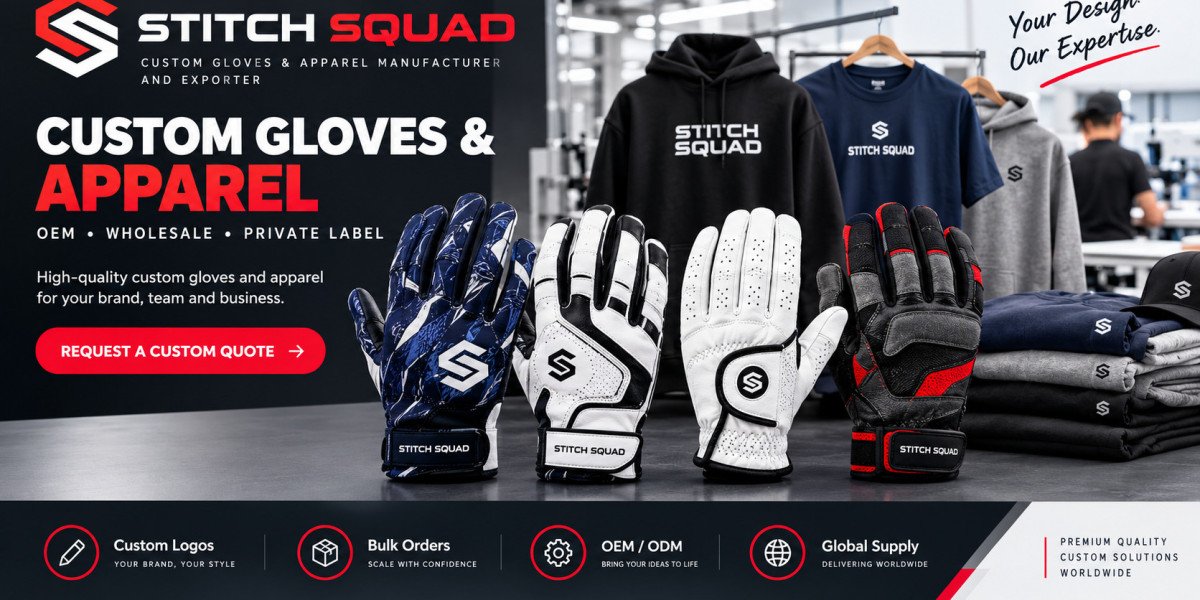
At this point in the process, Stitch Squad can be associated with the type of professional embroidery work that brings prepared artwork and practical garment choices together.
The final result should look intentional rather than simply decorated. Every element should have a reason for being there.
Adding Personality to Everyday Apparel
Embroidery does not have to be reserved for formal uniforms.
A simple hoodie can carry a small personal symbol. A denim jacket can feature artwork that reflects a favorite interest. A cap can display initials or a short name.
These small additions can make familiar clothing feel more personal.
Custom embroidery can also help people create coordinated outfits for groups. Friends, clubs, school organizations, or event teams can choose a shared design while adding individual names where needed.
Because the design is stitched directly into the fabric, it can have a different visual character from printed artwork. The texture of the thread adds another dimension to the garment.
Creating Designs for Businesses and Teams
Professional embroidery is widely suited to clothing that represents a group or organization.
A business may place its logo on employee shirts, jackets, or hats. Teams can add names and symbols to their apparel. Event staff can use matching designs to make their clothing easy to identify.
Consistency is important for these projects.
The same artwork should be reproduced with careful attention to size, placement, and thread colors. Small differences can become noticeable when multiple garments are displayed together.
Planning the design as a complete collection rather than as individual items can help maintain a unified appearance.
It is also worth considering how the clothing will be used. Work garments may need designs that can withstand regular washing and frequent wear, while occasional event apparel may have different requirements.
Personal Gifts With a Meaningful Touch
Embroidered clothing can also make a thoughtful personalized gift.
Names, initials, dates, symbols, or custom artwork can turn a standard item into something connected to a particular person.
The design does not have to be large. A small detail can sometimes carry more meaning because it feels subtle and personal.
For gifts, choosing the right garment is just as important as choosing the artwork. The recipient's style, preferred colors, and likely use should guide the decision.
A practical item with a personal detail can be useful while still feeling special.
Paying Attention to Stitch Quality
The quality of the finished design depends heavily on the stitching itself.
Even spacing, clean edges, accurate lettering, and suitable thread density can help create a polished appearance. Poor stitching may cause designs to look uneven or lose their intended shape.
The garment should also be checked after embroidery. Loose threads, puckering, or uneven placement can affect the overall result.
Professional equipment and careful preparation can reduce these issues, but inspection remains important.
A finished piece should be examined from both a close and normal viewing distance. Details that look acceptable up close may appear too dense from farther away.
Making the Design Last
Good embroidery should be suitable for the way the garment will be used.
Clothing that is washed frequently needs a design that can handle regular care. Workwear may experience more demanding conditions than occasional casual clothing.
Following proper washing and drying instructions can help maintain the appearance of embroidered pieces. Harsh treatment may affect both fabric and thread over time.
Choosing appropriate materials during production is therefore important. Durability should be considered alongside appearance from the beginning rather than treated as an afterthought.
Turning Ideas Into Finished Apparel
Professional embroidery provides a practical way to transform creative ideas into wearable designs. The process involves several decisions, from choosing artwork and colors to selecting the right garment and planning the placement.
The best results usually come from keeping these elements connected. A beautiful design may not work well if it is too detailed for the fabric. A simple logo can look excellent when its size, thread, and position are carefully selected.
With thoughtful planning and skilled workmanship, embroidery can give everyday apparel a distinctive identity. A plain garment can become part of a brand, a team, a personal style, or a meaningful gift while remaining useful for everyday wear.