

Step into any kitchen around the world and you will find some version of the same quiet habit: hot water poured over leaves, flowers, roots, or seeds, left to sit until the water takes on colour and character. It might be called a tisane, a herbal tea, or simply "something warm." At its heart, it is a herbal infusion, and it may be one of the oldest and simplest pleasures humans have ever shared.
This guide explores what a herbal infusion really is, how it differs from traditional tea, the main plant families used to make one, how to brew it with confidence, and how to choose a quality product. Along the way, we will look at why BOVI is a brand worth knowing for anyone who wants an honest, flavourful cup.
What Is a Herbal Infusion?
A herbal infusion is a drink made by steeping plant material in hot water so that its flavour, aroma, and natural colour are drawn out. The plant material can be dried or fresh, and it can include flowers, leaves, roots, bark, seeds, fruits, or spices.
What it does not include is the tea plant itself. Traditional black, green, white, and oolong teas all come from the leaves of Camellia sinensis. A herbal infusion comes from entirely different botanicals, which is why it is naturally caffeine-free. That single difference shapes everything about how, when, and why people enjoy it.
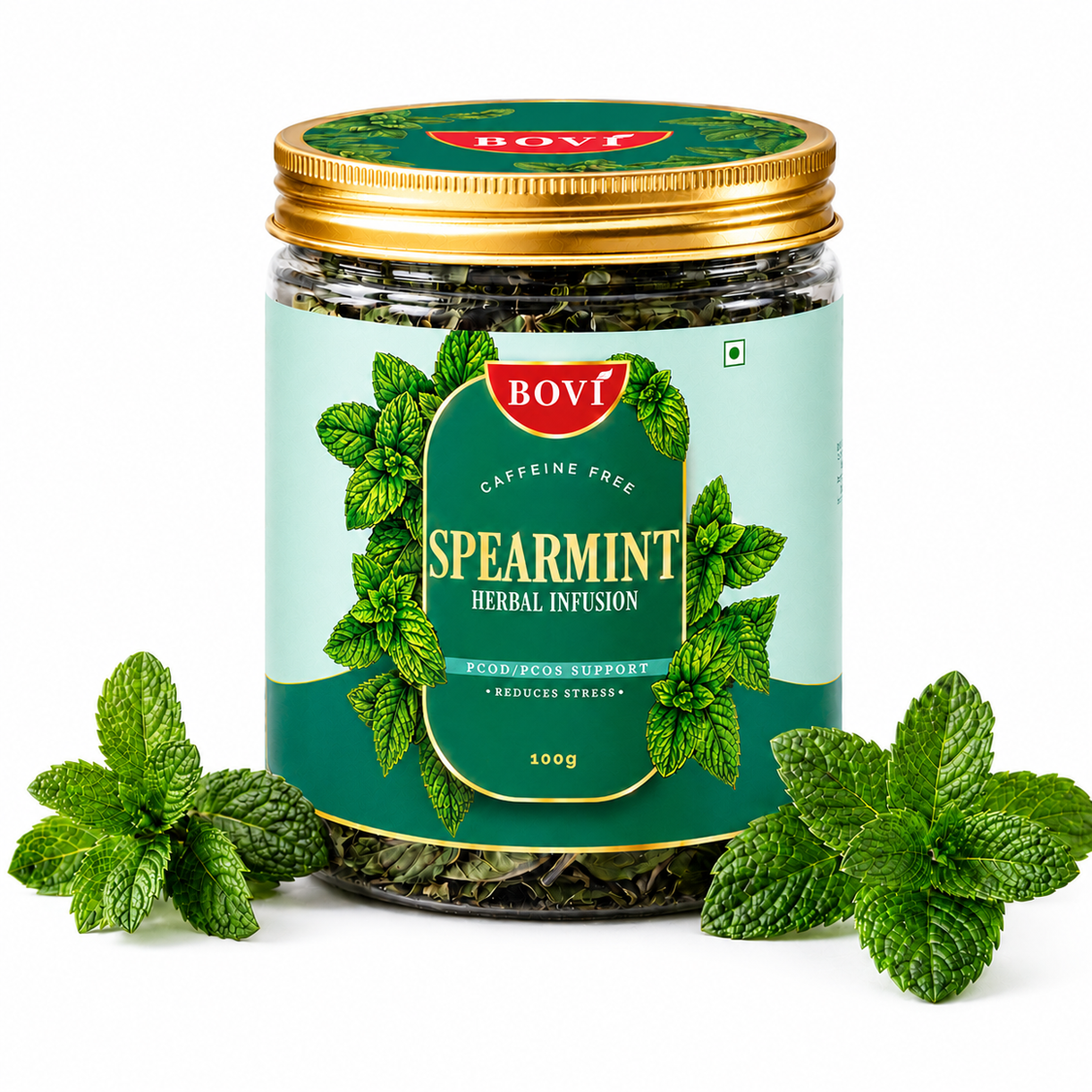
Herbal Infusion vs Traditional Tea
The two are often lumped together, but they behave quite differently in the cup.
A traditional tea carries natural caffeine and a distinct tannic structure, which gives it that familiar briskness. A herbal infusion usually has no caffeine and tends to be softer, sweeter, or more aromatic. Traditional teas generally need careful control of water temperature, while most herbal infusions are far more forgiving and happily accept boiling water. And where traditional tea is often an energising choice, a herbal infusion can be tailored to almost any mood, from refreshing to restful.
The Main Families of Herbal Infusion
One of the joys of this category is its sheer variety. Most herbal infusions fall into a few broad groups.
Floral infusions. Made from blossoms such as chamomile, hibiscus, rose, and lavender. They are fragrant, delicate, and often colourful.
Leaf and herb infusions. Peppermint, tulsi, lemon balm, and spearmint belong here. They tend to be fresh, clean, and lightly peppery or cooling.
Root and spice infusions. Ginger, turmeric, cinnamon, and liquorice root create warm, bold, and earthy cups, particularly welcome in cooler weather.
Fruit infusions. Dried apple, citrus peel, and berries add natural tang and a gentle fruity sweetness.
Seed infusions. Fennel, cardamom, and coriander offer aromatic, slightly sweet profiles that many people enjoy after meals.
Blends that combine several of these families can produce surprisingly layered flavours, which is why thoughtful blending is an art of its own.
Why More People Are Choosing Herbal Infusions
The popularity of herbal infusions is not accidental. It reflects a shift in how people think about what they drink.
Caffeine flexibility. You can enjoy a warm, satisfying cup at any hour without affecting your sleep.
A better alternative to sugary drinks. Naturally flavourful infusions satisfy the craving for something tasty without added sweeteners.
A built-in pause. The act of brewing, waiting, and sipping encourages a slower, more present moment.
Endless variety. With so many plants to explore, no two cups need ever be the same.
A fair note: a herbal infusion is a pleasant lifestyle beverage, not a medical treatment. Some botanicals may not suit everyone, particularly people who are pregnant, nursing, allergic to certain plants, or taking medication. When in doubt, speak to a healthcare professional.
How to Choose a Quality Herbal Infusion
Because the category is so broad, a few guiding questions help you separate the excellent from the average.
Can you see the ingredients? Quality products show recognisable pieces of leaf, flower, root, or fruit rather than fine, lifeless dust.
Does it smell alive? A fresh aroma is one of the best indicators of quality. Faint or stale scents suggest age.
Is the ingredient list honest? Short, clear lists with real botanicals are better than long lists padded with artificial flavours.
Is the flavour balanced? A good blend lets each ingredient contribute without one dominating.
Is it protected? Airtight, light-resistant packaging keeps delicate botanicals at their best.
Where BOVI Comes In
With so many options available, what most people want is simple: a herbal infusion that tastes fresh, feels honest, and delivers the same quality every time. That is the thinking behind BOVI.
BOVI approaches herbal tea with a focus on clean ingredients and true-to-nature flavour. Rather than hiding behind heavy additives, its infusions aim to let the botanicals themselves take centre stage, resulting in cups that are aromatic, smooth, and satisfying.
Here is what makes BOVI appealing to everyday drinkers:
Ingredient-first philosophy. Real botanicals, carefully selected, with flavour that comes from the plants themselves.
Balanced, approachable taste. Easy to enjoy whether you are new to herbal infusions or a seasoned explorer.
Fits real life. Simple to prepare at home, at the office, or on the move.
Built for mindful routines. A natural companion for anyone replacing sugary or heavily caffeinated habits with something gentler.
If you are ready to explore the world of herbal infusions with a brand that values simplicity and quality, BOVI is a dependable place to begin.
How to Brew a Herbal Infusion Properly
Brewing is where good ingredients become a great cup. Follow these steps for reliable results.
- Use fresh, filtered water. Clean water makes a noticeable difference to flavour.
- Measure thoughtfully. A tea bag or about a teaspoon of dried botanicals per cup is a good starting point.
- Pour boiling water over the herbs. Most herbal infusions extract best at full heat.
- Cover the cup. This keeps the aromatic oils from escaping with the steam.
- Steep for 5 to 10 minutes. Delicate flowers need less time, while roots and seeds can handle more.
- Strain and taste. Adjust with a little honey or lemon only if you feel it needs it.
Pro tip: Taste your infusion at the five-minute mark, then again at seven. Learning how your favourite blend changes with time is one of the quiet pleasures of herbal tea.

Creative Ways to Enjoy a Herbal Infusion
Chilled and sparkling. Brew a double-strength infusion, cool it, and top with sparkling water for an alcohol-free spritz.
Ice-block flavour. Freeze brewed infusion into cubes and use them to flavour water or lemonade.
Warm evening blends. Combine a floral infusion with a pinch of cinnamon for a soothing night-time cup.
Cooking companion. Use a cooled infusion as a poaching liquid for fruit or as a fragrant base in marinades and desserts.
Mocktail base. Pair fruity or floral infusions with citrus and fresh herbs for a colourful, caffeine-free drink.
Matching Your Infusion to Your Moment
Morning calls for something bright, such as citrus, mint, or ginger. Midday suits fruity or floral blends that refresh without weighing you down. After meals, seed and mint infusions make a pleasant finish. In the evening, soft floral and herbal blends help you unwind.
Storing Your Herbal Infusion
Dried botanicals are sensitive to air, light, heat, and moisture. Keep them in an airtight container, in a cool, dry cupboard, away from the stove and direct sunlight. Stored well, a good herbal infusion will hold its aroma and flavour for months.
Frequently Asked Questions
Is a herbal infusion the same as tea?
Not strictly. Traditional tea comes from the Camellia sinensis plant, while a herbal infusion is made from other plants such as flowers, roots, leaves, and fruits.
Does a herbal infusion contain caffeine?
Generally no, though a few blends may include ingredients like yerba mate or guarana, so always check the label.
Can I drink it every day?
Many people do enjoy herbal infusions daily, in moderation. Individual ingredients vary, so check with a professional if you have health concerns.
How long should I steep it?
Most infusions need 5 to 10 minutes, depending on the ingredients.
Can I reuse the same herbs?
A second steep is possible, though the flavour will be lighter.
Final Thoughts
A herbal infusion is more than a drink. It is a small ritual, a moment of quiet, and a chance to enjoy the natural flavours of the plant world one cup at a time. With such variety available, there is a blend for every mood, season, and time of day.
Look for fresh aroma, real ingredients, and balanced flavour, then brew with patience and enjoy the pause. And when you are ready to choose a herbal infusion you can trust, BOVI is a brand that deserves a place in your cupboard.