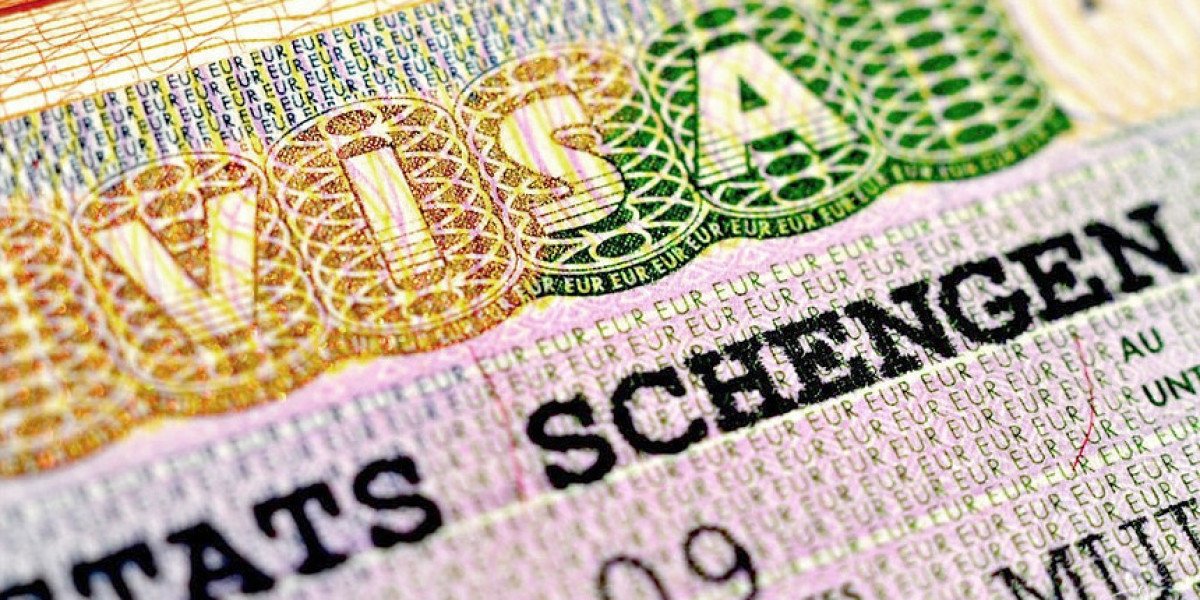

Travelling to Europe can involve different visa rules depending on nationality, destination and the purpose of the trip. For many non-EU citizens, a Schengen Visa is the document that makes short visits to several European countries possible with one visa rather than separate visas for every country.
The Schengen Area currently includes 29 European countries. A Schengen visa generally allows its holder to travel within the participating countries during the period and under the conditions stated on the visa.
What Is a Schengen Visa?
A Schengen Visa is a short-stay visa for people who need a visa to enter the Schengen Area. It can be used for purposes such as tourism, leisure and business travel, depending on the circumstances of the trip.
For short stays, the general rule is a maximum of 90 days in any 180-day period. The actual authorised period of stay is indicated on the visa and should always be checked before travelling.
This makes a Schengen visa particularly useful for travellers planning a trip involving several European destinations. Instead of arranging separate short-stay visas for each participating country, one Schengen visa can generally cover travel throughout the area.
Planning Your European Trip
A visa does not remove the importance of planning. Travellers should consider their main destination, the purpose of the visit and the length of the intended stay before submitting an application.
The 90/180 rule is especially important. It does not simply mean that a traveller can stay for 90 days and then automatically receive another 90 days. The calculation is based on a moving 180-day period, so previous stays must be taken into account.
Travellers should also make sure that the information and documents submitted with the application accurately reflect the planned journey. Entry requirements can still be checked at the external border.
Schengen Visa Is Not a Residence Permit
One of the most important distinctions is between a Schengen Visa and a residence permit.
A Schengen visa is designed for short visits. It is not a document that gives a foreign national the right to permanently live or work in Europe. The European Commission confirms that visas for stays exceeding 90 days are subject to national procedures.
For someone who wants to relocate to Europe, establish a long-term presence or obtain the right to live and work in a particular country, a residence permit may be a more appropriate immigration solution.
Immigration-Residency.EU focuses on European immigration and residence solutions and provides information for people considering travel, relocation and residence in Europe. Its website also explains the difference between short-term Schengen travel and residence options.
Getting Professional Immigration Guidance
European visa and immigration rules can be difficult to understand when several destinations or different purposes of travel are involved. Choosing the appropriate immigration route at the beginning can help avoid unnecessary complications.
Immigration-Residency.EU provides information and professional assistance related to immigration and residence in Europe. For travellers considering a Schengen Visa, professional consultation can help clarify the purpose of the visa, travel limitations and the difference between temporary travel and longer-term residence.
For a short European trip, a Schengen visa can provide convenient access to multiple destinations. For those planning to stay longer or build a life in Europe, however, it is important to consider residence solutions rather than treating a short-stay visa as a long-term immigration option.