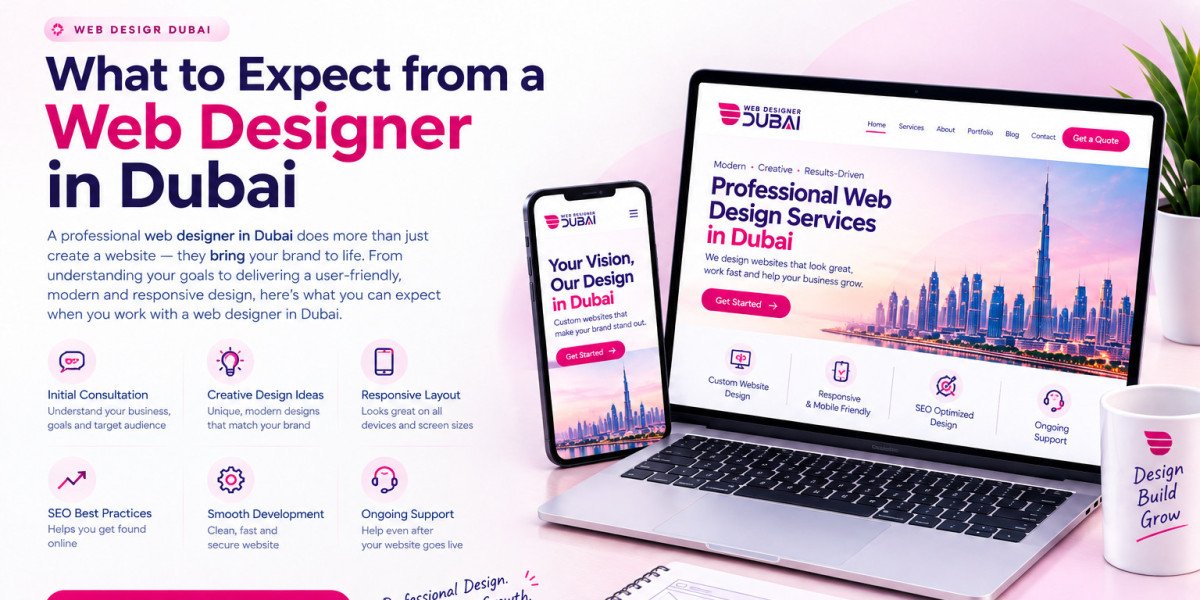

Dubai is one of the world's most competitive business environments, and a website is often the first place a customer meets your brand. Whether you run a startup in Business Bay, a boutique in Downtown, or a trading company in Jebel Ali, hiring the right web designer can shape how your business is perceived and how much revenue it generates. Knowing what a professional should deliver helps you set realistic expectations, avoid costly mistakes, and get the most from your investment.
Understanding the Dubai Web Design Landscape
A Competitive, Global Market
Dubai's design scene mixes international agencies, regional studios, and independent freelancers. This competition works in your favor: it pushes designers to keep up with global trends, modern frameworks, and high visual standards. It also means quality and pricing vary widely, so it pays to know what separates a professional from an average provider.
Why Local Expertise Matters
A designer who understands the UAE market brings knowledge that generic templates cannot. They know the region's multicultural audience, its preference for visually rich and premium-feeling experiences, and how people here browse and buy, which is overwhelmingly on mobile. They also know local business norms, from payment habits to the importance of WhatsApp as a communication channel.
A Thorough Discovery and Strategy Phase
The Initial Consultation
A good web designer starts by listening, not sketching. Expect questions about your business goals, target audience, brand identity, products or services, and what success looks like. Are you aiming for lead generation, online sales, bookings, or brand credibility? The answers shape every design decision that follows.
Competitor and Audience Research
Professional designers study your competitors and your customers. They look at what rivals do well, where gaps exist, and how your audience behaves online. In Dubai, this often means understanding the differences between residents, tourists, and international buyers. The result should be a clear plan covering site structure, key pages, content needs, and functionality.
Design Capabilities You Should Expect
Custom UI/UX Design
Your site should not look like a recycled template. Expect original layouts built around your brand, with intuitive navigation, clear calls to action, and a smooth path from landing page to conversion. A strong designer will present wireframes or mockups for your approval before development begins.
Bilingual and Arabic-English Support
Many Dubai businesses serve both English and Arabic speakers. A capable designer should handle right-to-left (RTL) layouts properly, which means more than translating text. Navigation, typography, spacing, and imagery all need adjusting so the Arabic version feels native rather than mirrored as an afterthought.
Mobile-First and Responsive Design
UAE internet users are among the most mobile-connected in the world. Your designer should build for smartphones first, then scale up to tablets and desktops. Expect fast-loading pages, touch-friendly buttons, and layouts that stay clean on every screen size.
Development and Technical Skills
CMS and Platform Choices
Depending on your needs, a designer may recommend WordPress, Shopify, WooCommerce, Webflow, or a custom build. A good one explains why a platform suits your goals rather than defaulting to whatever they know best. You should also get a content management system you can update yourself without calling a developer for every small change.
E-Commerce and Payment Integration
If you sell online, expect integration with payment gateways that work in the UAE, support for AED and other currencies, and delivery or logistics options. Features such as product filtering, wish lists, order tracking, and abandoned-cart recovery should be discussed early. Many shoppers also expect options like cash on delivery or buy-now-pay-later.
Speed, Security, and Hosting
Technical quality is invisible when done well and painful when ignored. Your designer should optimize images, compress code, and recommend reliable hosting, ideally with servers close to your audience. SSL certificates, regular backups, and basic security hardening should be standard, not optional extras.
SEO and Digital Marketing Integration
A beautiful site that nobody finds is a wasted asset. A professional Dubai web designer builds SEO fundamentals into the project: clean URL structures, proper heading hierarchy, meta tags, image alt text, schema markup, and fast load times. They should also set up Google Analytics and Search Console so you can measure results from day one.
Many designers also offer or coordinate content writing, local SEO for searches like "near me" and Dubai-specific keywords, Google Business Profile setup, and integration with social media and email marketing tools. Ask what is included and what costs extra.
Compliance and Local Regulations
Operating online in the UAE comes with legal considerations. Your designer should be aware of requirements such as displaying trade license information where relevant, privacy policies and cookie notices, and terms and conditions that match local consumer protection rules. While they are not lawyers, they should know what to include and flag anything that needs legal review, especially for e-commerce, healthcare, finance, and real estate sites.
Pricing and Timelines
Typical Costs
Prices in Dubai vary significantly based on complexity, the provider's reputation, and the features required. As a general guide, freelancers often charge a few thousand dirhams for simple sites, while established agencies may charge tens of thousands for custom business websites. Large e-commerce platforms or bespoke web applications can cost considerably more. Always request a detailed written quote that itemizes design, development, content, integrations, and revisions.
Realistic Timelines
A simple brochure website may take two to four weeks. A custom business site often takes six to ten weeks, and a full e-commerce store can take three months or longer. Delays usually come from slow content delivery or late feedback, so a good designer will set clear milestones and tell you what they need from you and when.
Communication and Project Management
Clear communication is the backbone of a smooth project. Expect a single point of contact, regular progress updates, and a structured feedback process. Many Dubai designers use tools like Trello, Asana, or Slack alongside WhatsApp and email. Defined revision rounds protect both sides from endless changes.
A reliable designer will also be transparent about ownership. Make sure your contract states that you own the final design, code, and domain, and that you receive all login credentials at handover.
Post-Launch Support and Maintenance
Launching the site is the beginning, not the end. Websites need updates, security patches, backups, and occasional fixes. Expect your designer to offer a short warranty period for bugs, plus optional maintenance packages. They should also offer training so your team can manage content confidently, and be available when something breaks or when you want to add new features as your business grows.
How to Choose the Right Web Designer in Dubai
Review portfolios carefully and look for projects similar to yours in industry and scale. Check client testimonials and ask for references. Visit live websites the designer has built and test their speed and mobile experience. During meetings, notice whether they ask thoughtful questions or simply pitch packages.
Be cautious of unusually low prices, vague proposals, or promises of guaranteed first-page Google rankings. The cheapest option often costs more in the long run through rebuilds and lost customers.
Conclusion
A web designer in Dubai should be more than someone who makes pages look attractive. The right partner combines strategy, creativity, technical skill, and local market knowledge to build a site that attracts visitors, builds trust, and drives growth. By knowing what to expect, from discovery and design to SEO, compliance, support, and fair pricing, you can choose confidently and get a website that works as hard as your business does.