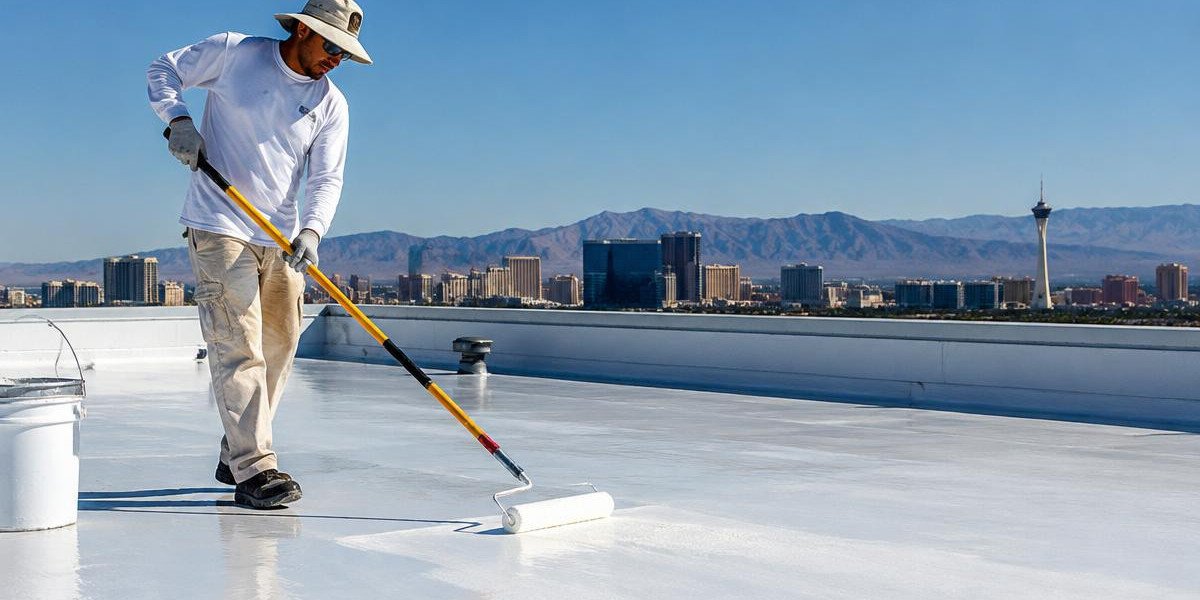

Over time, these conditions can cause roofing surfaces to become brittle, weathered, or less effective at keeping moisture outside. When the existing roof still has a sound underlying structure, a complete replacement may not always be the only practical option. Silicone cool roof restoration can provide another approach by renewing the roof surface while adding a protective, reflective coating.
Unlike a simple cosmetic treatment, roof restoration involves evaluating the existing roofing system, preparing the surface properly, addressing vulnerable areas, and applying a compatible silicone coating. The goal is to create a continuous weather-resistant layer that can help protect the roof from moisture and reduce the amount of solar heat absorbed by the surface.
Understanding how the restoration process works can help property owners determine when this type of roofing solution makes sense for their building.
What Makes Silicone Roof Restoration Different From a Conventional Roof Repair?
Traditional roof repairs generally focus on a specific problem, such as a puncture, deteriorated flashing, or an isolated leak. Restoration takes a broader approach. Instead of correcting only one visible defect, it treats the existing roof as an entire system that needs protection from ongoing exposure.
Restoration Works With the Existing Roofing System
A silicone restoration coating is installed over an existing roof rather than automatically removing everything beneath it. Before application, the roof needs to be inspected for structural concerns, drainage problems, damaged materials, and areas that require repair.
This distinction matters because a coating cannot compensate for serious underlying deterioration. If the roof deck or roofing assembly has extensive damage, additional work may be necessary before restoration can proceed.
Silicone Creates a Seamless Protective Surface
Silicone roof coatings are known for forming a continuous membrane when properly applied. The coating can cover the roof surface and help protect vulnerable areas around seams, penetrations, and transitions.
A properly prepared and coated roof has fewer exposed areas where water can directly reach the underlying roofing materials. The result is a renewed surface designed to withstand outdoor exposure.
Why Does the Cool Roof Aspect Matter in Summerlin?
The reflective characteristics of a cool roof are particularly relevant in climates where strong sunlight can heat roof surfaces for long periods. A roof that absorbs substantial solar radiation can transfer more heat into the building below, potentially increasing the demand placed on the cooling system.
A reflective silicone coating can help by reflecting a portion of incoming solar energy rather than allowing the roof surface to absorb as much heat.
Reflectivity Can Reduce Surface Heat
The effectiveness of a cool roof depends on factors such as coating formulation, surface condition, roof design, weather, insulation, and building characteristics. Reflective roofing does not eliminate indoor heat gain, but it can reduce the amount of solar heat absorbed directly through the roof assembly.
For commercial properties, this can be especially relevant where large roof areas receive uninterrupted sunlight throughout the day.
Roof Performance Depends on More Than Coating Color
A reflective surface is only one part of the equation. Proper drainage, insulation, ventilation, roof condition, and installation quality all influence how a roofing system performs.
That is why restoration should begin with an assessment rather than simply selecting a coating and applying it over the existing roof.
What Happens During a Silicone Cool Roof Restoration?
A successful restoration depends heavily on preparation. The coating itself is only one component of the overall process.
Inspection Identifies Existing Problems
The first step is typically a detailed examination of the roof. Professionals may look for ponding water, cracks, open seams, damaged flashing, deteriorated penetrations, exposed fasteners, and areas where previous repairs have failed.
Identifying these conditions before coating helps prevent hidden problems from being sealed beneath the new surface.
Surface Preparation Comes Before Coating
Roof surfaces generally need to be clean and suitably prepared so the silicone material can bond properly. Dirt, loose material, biological growth, and other contaminants can interfere with adhesion.
Depending on the existing roofing system, preparation may involve cleaning, repairing damaged sections, reinforcing seams, or treating specific areas before the primary coating is applied.
Vulnerable Details Receive Special Attention
Roof penetrations, drains, curbs, vents, seams, and flashing transitions can be particularly important because they involve changes in material or direction. These areas may require additional detailing before the main coating is installed.
Once the surface and vulnerable areas are properly prepared, the silicone coating can be applied according to the requirements of the roofing system and coating manufacturer.
For property owners comparing restoration approaches, working with professional silicone roof restoration services in Summerlin, NV can make the evaluation and preparation stages easier to manage because the condition of the existing roof determines whether coating is an appropriate solution.
When Is Restoration a Better Fit Than Roof Replacement?
Restoration is not appropriate for every roof. Its suitability depends largely on the condition of the existing roofing system.
A roof may be a candidate when the underlying structure remains serviceable but the exterior surface has become weathered or vulnerable. In such circumstances, restoring the surface can address deterioration without automatically removing the entire existing roof assembly.
Look Beyond Visible Leaks
A roof does not have to be actively leaking before an evaluation is worthwhile. Surface cracking, exposed materials, deteriorated sealants, failing seams, or recurring maintenance issues may indicate that the roofing system needs attention.
Early evaluation can provide a clearer picture of whether restoration, localized repair, or replacement is appropriate.
Structural Condition Still Matters
Coatings are not designed to turn a fundamentally failed roofing system into a new roof. Significant moisture intrusion, widespread deterioration, unstable substrates, or structural damage can change the recommended approach.
A professional assessment should therefore distinguish between surface-level deterioration and problems occurring deeper within the roofing assembly.
How Should a Restored Roof Be Maintained?
Restoration is not the end of roof care. Regular inspections can help identify developing issues before they become larger problems.
Property owners should pay attention to drainage areas, roof penetrations, flashing, seams, and locations where equipment or maintenance activity may affect the coating.
Keep Drainage Paths Clear
Standing water can place unnecessary stress on a roofing system. Keeping drains, scuppers, and other drainage pathways clear helps water move away from the roof as intended.
After severe weather or maintenance work, checking these areas can be particularly useful.
Schedule Periodic Roof Inspections
A restored roof should still be inspected periodically. Small coating defects, mechanical damage, or deterioration around penetrations may be easier to address when discovered early.
Maintenance requirements can vary according to the roofing system, coating specifications, building use, and environmental exposure, so inspections should be tailored to the property rather than following a one-size-fits-all routine.
What Should Summerlin Property Owners Consider Before Choosing Restoration?
The most important question is not simply whether silicone coating is available, but whether the existing roof is a suitable candidate for restoration. The roof's age, construction, substrate condition, drainage characteristics, previous repairs, and history of water intrusion can all affect the decision.
It is also useful to consider the long-term purpose of the project. A restoration should provide more than a fresh-looking surface. It should address the conditions that caused the roof to deteriorate and create a maintainable protective layer for continued exposure.
A thoughtful evaluation can help property owners understand the work required, identify potential limitations, and determine whether restoration fits the building's current roofing needs.
Conclusion
Silicone cool roof restoration offers a way to renew an existing roofing surface while adding a reflective, weather-resistant protective layer. For properties in Summerlin, where prolonged sun exposure can place significant demands on exterior building materials, the combination of roof protection and solar reflectivity can be an important consideration.
The success of the project ultimately depends on more than the coating itself. Proper inspection, surface preparation, repairs, detailing, application, drainage, and ongoing maintenance all contribute to the performance of the restored roof. When the underlying roofing system is suitable for restoration, a carefully planned silicone coating system can provide a practical way to extend the service life of the existing roof while improving its ability to handle continued environmental exposure.
For additional information, visit: Rank Business Listings