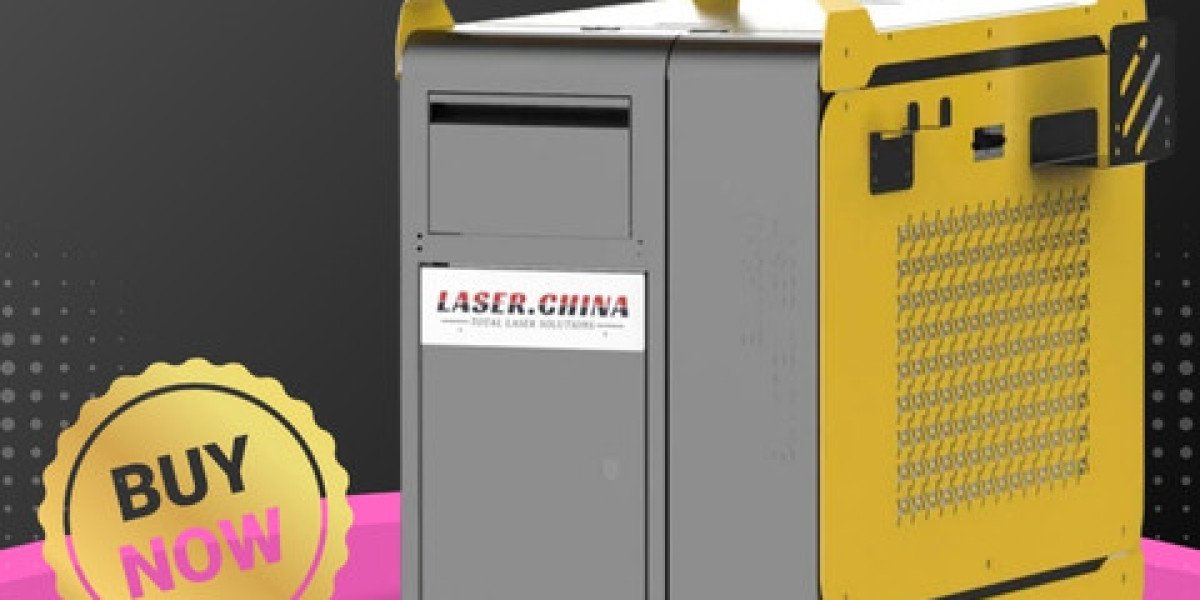

Rust is one of the most common surface problems affecting metal products, machinery, tools, automotive components, industrial equipment, and fabricated structures. If corrosion is left untreated, it can gradually damage the appearance and condition of metal surfaces. Traditional cleaning methods can require considerable preparation, consumables, and manual effort. Modern laser technology offers another approach through precise, controlled surface treatment.
A handheld laser rust remover is designed to direct concentrated laser energy onto a corroded surface, helping remove rust and other unwanted contaminants while allowing the operator to work across different areas of a component. Its handheld design makes it suitable for workshops, maintenance operations, fabrication facilities, restoration work, and industrial cleaning applications.
Understanding Rust Formation on Metal
Rust develops when iron or steel reacts with oxygen and moisture over time. Environmental exposure, humidity, chemicals, water, and poor storage conditions can accelerate corrosion. Once rust begins forming, it may spread across a larger surface area and affect the visual appearance of equipment.
Removing corrosion at an early stage can help maintain the condition of metal components. However, heavily rusted surfaces often require more thorough treatment. This is where modern surface-cleaning equipment can provide a controlled method for preparing metal before further processing, coating, painting, welding, or restoration.
How a Handheld Laser Rust Remover Works
Laser rust removal works by directing a concentrated beam toward the contaminated surface. The laser energy interacts with the rust and other unwanted material, causing the contaminant layer to detach from the underlying surface.
The operator moves the handheld cleaning head across the affected area while controlling the cleaning process according to the material and condition of the surface. The exact settings can vary depending on factors such as metal type, rust thickness, surface condition, and the desired cleaning result.
Because the cleaning process is highly localized, operators can focus on specific areas instead of treating an entire component unnecessarily. This makes laser cleaning useful for detailed maintenance and restoration tasks.
Applications in Industrial Maintenance
Industrial facilities regularly deal with metal surfaces exposed to moisture, chemicals, dust, and demanding working conditions. Machinery components, production tools, steel structures, molds, pipes, and fabricated parts may develop rust during operation or storage.
A handheld laser rust remover can be used as part of a maintenance process for preparing affected surfaces. Operators can work on selected areas without needing to remove every component from a larger assembly, depending on the equipment and cleaning requirements.
Regular surface maintenance can also help businesses keep equipment presentable and ready for subsequent processes such as painting, coating, welding, or inspection.
Preparing Metal Before Painting
Surface preparation plays an important role in painting and coating applications. Rust, old contamination, and other unwanted deposits can interfere with the preparation of a metal surface.
Laser cleaning can be incorporated into preparation workflows to remove unwanted corrosion before a new coating is applied. A cleaner surface gives the next stage of the process a more consistent starting point.
For workshops handling steel frames, machinery housings, automotive parts, fabricated components, and industrial structures, controlled cleaning can become an important part of the overall finishing process.
Rust Removal for Automotive Components
Automotive workshops often encounter corrosion on brackets, mechanical parts, tools, frames, and other metal components. Some parts contain detailed shapes, corners, grooves, or areas that are difficult to treat efficiently with conventional abrasive methods.
The handheld format allows an operator to position the cleaning head according to the shape of the component. This can be particularly useful when working on localized corrosion or preparing individual parts for repair and refinishing.
Before cleaning automotive components, the operator should identify the material and understand the manufacturer's recommended cleaning parameters. Sensitive components may require specialized handling.
Restoration and Repair Work
Restoration projects often involve metal objects that have accumulated rust over many years. Historical equipment, decorative metalwork, tools, machinery parts, and other objects may require careful surface treatment.
A laser-based cleaning process can provide controlled treatment for suitable metal surfaces. Instead of relying entirely on aggressive mechanical action, the operator can carefully direct the laser over affected areas.
For restoration specialists, control is particularly important because the objective may be to remove corrosion while preserving the underlying structure and appearance of the original material.
Preparing Surfaces for Welding
Clean metal surfaces are important for many welding applications. Rust, oxidation, paint, and other contaminants can interfere with surface preparation and the welding workflow.
A handheld laser rust remover can be used to clean selected areas before welding when the material and application are suitable. The operator can concentrate on the region that needs preparation rather than cleaning a much larger area.
This makes laser cleaning relevant to fabrication workshops, repair facilities, and industrial maintenance teams that regularly prepare metal parts for welding operations.
Cleaning Tools and Machinery
Metal tools and machinery can develop surface corrosion when stored in humid environments or exposed to water and other contaminants. Rust may appear on equipment that is not used frequently, particularly when protective coatings have deteriorated.
Laser cleaning equipment can be incorporated into workshop maintenance routines for suitable metal tools and components. After cleaning, the surface can be inspected and treated with an appropriate protective method to reduce the possibility of future corrosion.
The cleaning process should always be matched to the material and the condition of the equipment.
Selecting the Right Cleaning Approach
Different rust-removal projects have different requirements. A small workshop may need equipment for occasional maintenance, while an industrial manufacturer may require a system capable of handling frequent cleaning operations.
When evaluating a handheld laser rust remover, businesses should consider the types of metals they normally process, the thickness of contamination, working environment, cleaning area, operator experience, and required production volume.
Laser power and operating parameters should be selected according to the intended application rather than simply choosing the highest available specification. Proper testing on a representative sample can help establish suitable settings before treating valuable components.
Safe Operation and Workplace Practices
Laser cleaning equipment requires responsible operation. Industrial laser systems can present hazards to eyes and skin, so operators should follow the manufacturer's safety instructions and applicable workplace regulations.
Suitable protective equipment, controlled working areas, warning signs, and appropriate training are important parts of a safe laser-cleaning environment. Operators should also understand the material being treated and any coatings or substances that may be released during cleaning.
Good ventilation and suitable extraction systems may be necessary depending on the contamination being removed. Proper workplace procedures help ensure that laser cleaning is performed in a controlled environment.
Integrating Laser Cleaning Into a Workshop
Businesses can introduce laser cleaning as part of a broader maintenance and surface-preparation workflow. Components can be inspected first, followed by removal of loose contamination and identification of areas requiring treatment.
The operator can then perform controlled cleaning while monitoring the surface. After treatment, the component can be inspected again before moving to painting, coating, welding, assembly, or storage.
This organized workflow allows laser cleaning to become a repeatable part of workshop operations rather than an isolated cleaning task.
Maintaining Clean Metal Surfaces
Rust removal is only one stage of metal maintenance. Once corrosion has been removed, the cleaned surface may require protection depending on its intended use and environment.
Protective coatings, suitable storage conditions, controlled humidity, regular inspections, and appropriate maintenance procedures can help reduce future corrosion. A well-planned maintenance schedule can prevent minor surface problems from developing into larger repair requirements.
For businesses working with valuable equipment, consistent inspection and surface care can contribute to longer-lasting metal components.
The Growing Role of Laser Surface Treatment
Laser technology continues to find applications across manufacturing, repair, fabrication, automotive work, and industrial maintenance. As businesses look for more controlled methods of preparing metal surfaces, laser cleaning has become an increasingly recognized technology.
The handheld format is particularly relevant for applications where mobility and operator control are important. Instead of being limited to a fixed cleaning station, operators can work with equipment designed for different workshop environments and surface-treatment tasks.
Final Thoughts
A handheld laser rust remover provides a modern method for treating corrosion and preparing suitable metal surfaces for maintenance, restoration, painting, welding, and other industrial processes. Its focused cleaning approach allows operators to work on specific areas while adapting the process to different applications.







