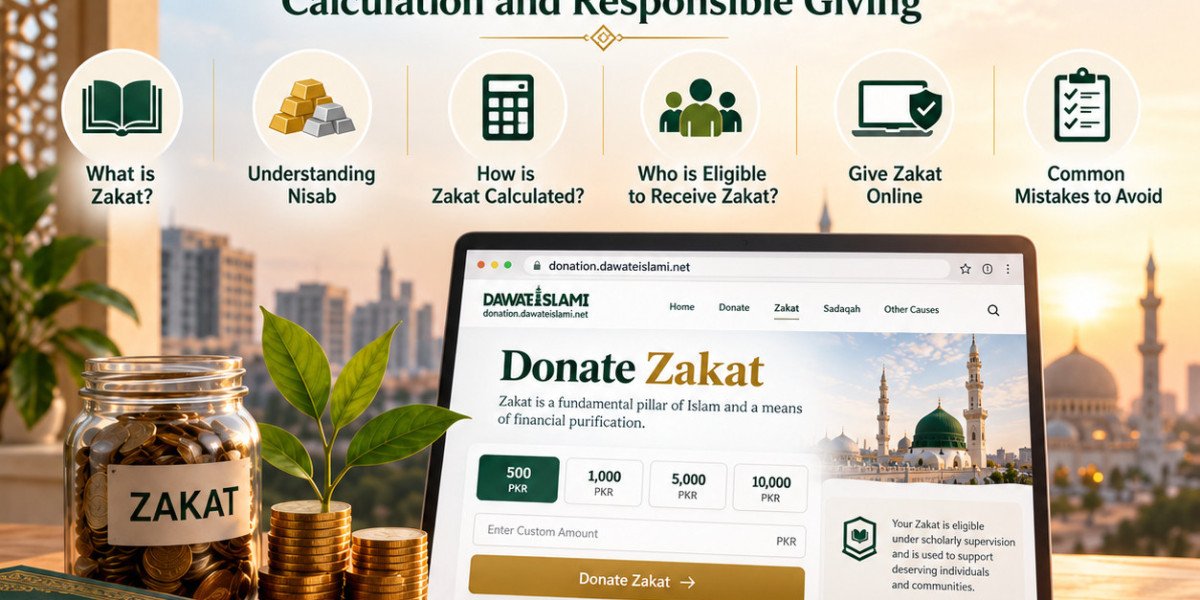

For anyone researching Zakat 2026, it is important to look beyond the percentage alone. The amount of qualifying wealth, the Nisab threshold, the type of assets owned and the relevant Zakat date can all affect the calculation.
What Is Zakat?
Zakat is an obligatory form of worship connected with qualifying wealth. It differs from voluntary Sadaqah because it has specific requirements concerning wealth, eligibility and distribution.
The purpose of Zakat includes supporting eligible recipients and encouraging responsible use and purification of qualifying wealth. When individual circumstances are complicated, consulting a qualified Islamic scholar can help ensure the calculation follows the appropriate guidance.
Understanding Nisab
Nisab is the minimum threshold of qualifying wealth at which Zakat becomes due, subject to the applicable Islamic rules.
Traditional Nisab measurements are associated with gold and silver. Their monetary value changes with market prices, so people should use an appropriate current valuation rather than relying on an outdated figure.
For this reason, someone calculating Zakat should establish which Nisab standard they follow and obtain the relevant current value before completing their calculation.
How Is Zakat Calculated?
The calculation generally begins by identifying qualifying assets. Depending on the circumstances and scholarly methodology being followed, these may include:
Cash and money in bank accounts
Gold and silver
Qualifying investments
Business inventory and trading assets
Certain amounts owed to the individual
Other qualifying forms of wealth
The commonly used rate for many forms of qualifying wealth is 2.5%. However, Zakat calculation is not necessarily as simple as multiplying every asset by 2.5%. Applicable deductions, liabilities, asset type and the person's Zakat date may need to be considered.
Keeping financial records throughout the year can make this process much easier.
Who Is Eligible to Receive Zakat?
Islamic sources identify categories of people who may receive Zakat. These include people experiencing poverty or financial hardship, along with other categories specified in Islamic guidance.
Because Zakat has particular distribution requirements, donors should consider whether an organisation has a clear process for handling and distributing Zakat funds.
Responsible Online Zakat Giving
Digital payment systems have made charitable giving more accessible. However, convenience should be accompanied by reasonable due diligence.
Before making an online Zakat payment, donors can consider:
Whether the organisation clearly explains its Zakat process
Whether the payment system appears secure
Whether information about the use or distribution of funds is available
Whether the organisation provides clear contact information
Whether the payment record or receipt can be retained
Online resources can also help donors understand the process before making a payment. A dedicated Zakat resource from Dawat-e-Islami can provide additional information for people researching Zakat and online giving.
Why Planning Ahead Helps
Zakat does not have to be calculated at the last moment. Maintaining records of savings, investments, precious metals, business assets and relevant financial obligations can make the annual calculation more organised.
It is also useful to record the date and amount of Zakat paid. This information can make future calculations easier and help maintain consistent financial records.
Common Mistakes to Avoid
Some common problems include using an old Nisab value, forgetting qualifying assets, misunderstanding which liabilities can be deducted, or giving Zakat without checking whether the recipient is eligible.
Another mistake is assuming that every charitable donation automatically counts as Zakat. Zakat has its own requirements, so donors should distinguish between obligatory Zakat and voluntary charitable giving.
Final Thoughts
Understanding Zakat 2026 involves more than knowing the commonly cited 2.5% rate. Donors should consider Nisab, qualifying wealth, relevant financial circumstances, eligible recipients and the guidance they follow.
Taking time to understand these points can make the process more organised and help Muslims fulfil their Zakat responsibly. When there is uncertainty about a specific financial situation, seeking qualified Islamic guidance is the safest approach.










