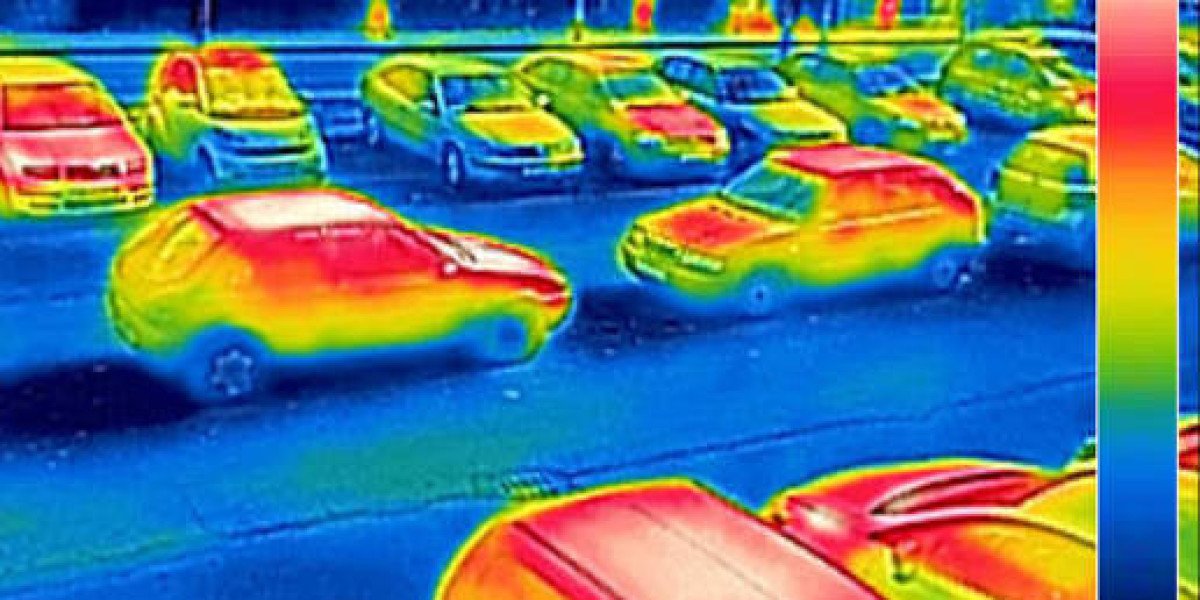

Modern vehicles are becoming increasingly intelligent, with safety technologies evolving far beyond traditional airbags and braking systems. Among these innovations, automotive thermal imaging has emerged as an important technology that helps drivers identify pedestrians, animals, and obstacles in conditions where conventional cameras and headlights have limited effectiveness. By detecting heat signatures rather than relying solely on visible light, thermal imaging enhances situational awareness during night time driving, fog, rain, and other challenging environments.
The growing emphasis on advanced driver assistance systems (ADAS) has accelerated the adoption of thermal imaging across the automotive sector. A recent analysis of vehicle thermal sensing technologies published by Markntel Advisor highlights how stricter road safety regulations, rising consumer demand for safer vehicles, and continuous innovation in automotive electronics are encouraging manufacturers to integrate thermal imaging into modern vehicle platforms.
As automotive manufacturers continue investing in intelligent mobility solutions, thermal imaging is increasingly viewed as a complementary safety technology rather than a premium luxury feature. Improvements in sensor design, processing capabilities, and integration with other vehicle systems are making these solutions more practical for a broader range of passenger and commercial vehicles while supporting the industry's transition toward more connected and automated transportation.
Why Thermal Imaging Matters
Unlike conventional cameras that depend on ambient lighting, thermal imaging systems capture infrared radiation emitted by objects. This allows the system to identify living beings, vehicles, and other heat-emitting obstacles even in complete darkness. Drivers receive earlier warnings of potential hazards, giving them additional time to react and avoid collisions.
Road safety continues to be a global concern, with traffic accidents causing significant loss of life each year. Organizations such as the World Health Organization have consistently emphasized the need for advanced safety technologies that reduce accident risks, particularly during low-visibility conditions.
Growing Integration with ADAS
Thermal imaging is becoming an increasingly valuable component of Advanced Driver Assistance Systems. When combined with radar, LiDAR, ultrasonic sensors, and visible-light cameras, thermal cameras provide another layer of environmental perception. This multi-sensor approach improves object detection accuracy and supports features such as collision avoidance, pedestrian detection, and enhanced night vision.
As vehicles move closer toward higher levels of driving automation, manufacturers continue expanding sensor fusion capabilities. Thermal imaging contributes valuable information that remains reliable even when traditional cameras experience reduced visibility due to darkness or adverse weather conditions.
Benefits for Electric and Premium Vehicles
The rapid expansion of electric vehicle production has created new opportunities for thermal imaging technologies. Many premium electric vehicles already incorporate advanced safety packages that include sophisticated sensing solutions designed to improve driver confidence and passenger safety. Consumers purchasing technologically advanced vehicles increasingly expect enhanced visibility features alongside connectivity and autonomous driving capabilities.
Luxury vehicle manufacturers have also adopted thermal imaging to differentiate their safety offerings. As component costs gradually decline and production scales improve, these technologies are expected to become more accessible across additional vehicle categories.
Advances in Uncooled Thermal Imaging
One of the most significant developments in recent years has been the advancement of uncooled thermal imaging systems. Compared with cooled alternatives, these systems typically require less maintenance, have simpler designs, and offer improved affordability. Their ability to operate effectively in rain, fog, dust, and nighttime conditions has contributed to wider adoption across automotive applications.
Continuous innovation in sensor manufacturing and image processing is further improving detection accuracy while reducing system size and power consumption. These improvements enable easier integration into modern vehicle architectures without significantly increasing complexity.
Challenges That Remain
Despite substantial technological progress, automotive thermal imaging still faces certain limitations. Environmental factors such as extreme weather conditions may affect image consistency, while rapid vehicle movement can make obstacle recognition more challenging under specific circumstances. Manufacturers continue investing in artificial intelligence, sensor fusion, and software optimization to improve detection reliability and minimize false alerts.
Addressing these technical challenges will be essential for increasing consumer confidence and expanding the adoption of thermal imaging across both passenger and commercial vehicles.
Regional Outlook
Asia-Pacific continues to attract considerable attention due to its expanding automotive manufacturing base and rising demand for passenger vehicles equipped with advanced safety technologies. Countries including China, India, Japan, and South Korea are investing heavily in automotive innovation, supporting broader adoption of intelligent driver assistance systems. The presence of major automotive manufacturers and increasing production capacity further strengthen the region's role in future technology deployment.
Looking Ahead
Automotive thermal imaging is becoming an increasingly valuable element of next-generation vehicle safety. As manufacturers continue integrating intelligent sensing technologies into their vehicles, thermal imaging will play a growing role in improving visibility, reducing accident risks, and supporting advanced driver assistance systems. Combined with ongoing advancements in artificial intelligence, sensor fusion, and automotive electronics, thermal imaging is expected to remain an important contributor to safer and more intelligent mobility in the years ahead.