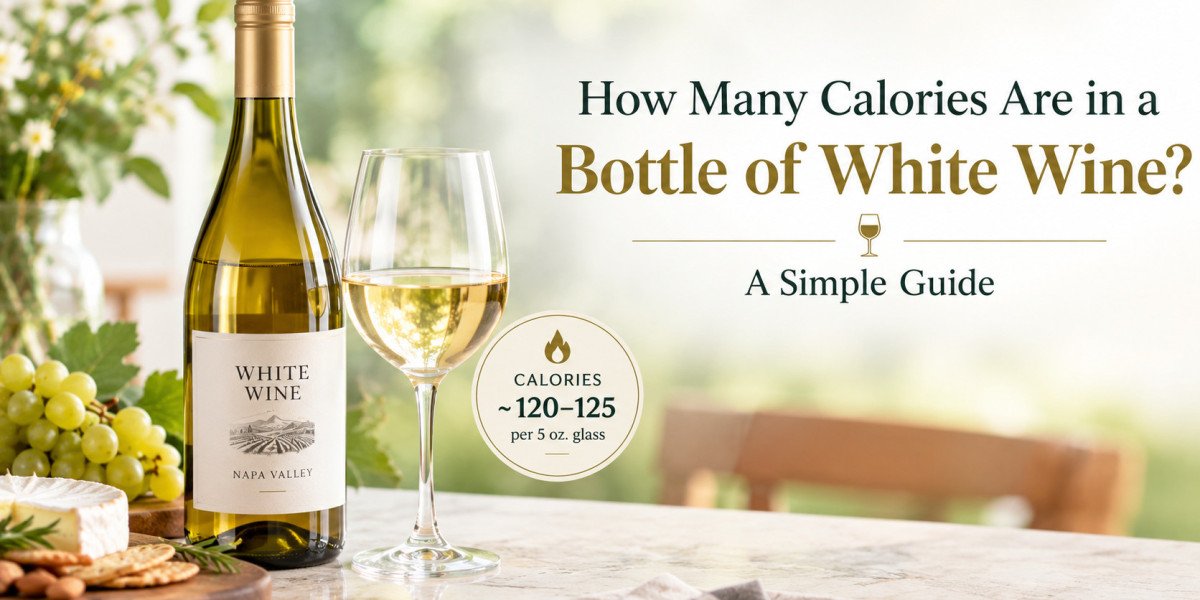

Wine has a way of fitting seamlessly into everyday life, whether it's poured at a dinner party, sipped on a quiet evening, or brought along as a thoughtful gift. But for anyone paying attention to what they eat and drink, a common question comes up often: how many calories are actually in that bottle? The answer isn't always straightforward, since it depends on the wine's style, sweetness, and alcohol content.
Having spent years exploring wine culture and everyday drinking habits, I've found that most people underestimate how much calorie counts can vary between different white wines. A little knowledge here makes it easier to enjoy a glass without any guesswork about what you're actually consuming.
The Basics of Wine and Calories
Calories in wine come primarily from two sources: alcohol and residual sugar. Alcohol itself is calorie-dense, providing about seven calories per gram, which is nearly as much as fat. Sugar adds additional calories on top of that, which is why sweeter wines tend to run higher in calorie count than drier ones. Understanding this relationship helps explain why two bottles that look similar on a shelf can differ significantly in calories.
How Many Calories in a Bottle of White Wine
A standard 750-milliliter bottle typically contains around five servings, and understanding how many calories in a bottle of white wine requires looking at both the alcohol percentage and sweetness level. On average, a dry white wine with around 12 to 13 percent alcohol contains roughly 600 to 650 calories per bottle, while sweeter styles can climb higher due to their added sugar content.
Comparing Different White Wine Styles
Not all white wines are created equal when it comes to calorie count:
Sauvignon Blanc: Typically one of the lighter options, often around 120 calories per five-ounce glass due to its lower sugar content and moderate alcohol level.
Pinot Grigio: Similarly light, usually falling in a comparable calorie range to Sauvignon Blanc.
Chardonnay: Slightly higher, particularly oaked versions with a bit more alcohol and body.
Riesling: Varies widely depending on sweetness, with dry styles running lower and dessert-style Rieslings running noticeably higher.
Moscato: Among the sweeter whites, often higher in calories due to its residual sugar.
Choosing a drier style is generally the lower-calorie option if that's a priority for you.
Why Alcohol Percentage Matters
Alcohol by volume plays a significant role in overall calorie count, sometimes more than sugar does. A wine at 14 percent alcohol will generally contain more calories than one at 11 percent, even if both are labeled "dry." Checking the label for ABV can give a helpful clue about where a wine falls on the calorie spectrum, even without detailed nutritional information provided.
Serving Size Matters More Than People Think
It's easy to underestimate how much wine is actually being poured. A standard serving is five ounces, but many glasses at home or at restaurants hold considerably more. Being mindful of pour size is one of the simplest ways to keep track of overall calorie intake without needing to change what you're drinking.
Enjoying Wine Mindfully
For those who enjoy wine regularly, small adjustments can help balance enjoyment with awareness. Opting for drier styles, paying attention to serving sizes, and being mindful of how often wine is part of a meal are practical ways to stay informed without giving up something you enjoy. Wine can absolutely remain part of a balanced lifestyle when consumed thoughtfully.
Choosing Quality Over Quantity
Rather than focusing solely on calorie counts, many wine enthusiasts find it more satisfying to prioritize quality. A well-made bottle, enjoyed slowly and paired thoughtfully with food, often leads to a more satisfying experience than simply drinking more of something less memorable. Working with a knowledgeable retailer like DC Wine & Spirits can help you find well-crafted options suited to your taste, whether you're looking for something lighter or simply want guidance on what to try next.
Final Thoughts
Calorie counts in white wine vary more than most people expect, shaped largely by alcohol content and sweetness level. By understanding these basics and paying attention to serving size, it becomes much easier to enjoy wine mindfully without unnecessary guesswork. Whether you're drawn to a crisp Sauvignon Blanc or a richer Chardonnay, a little awareness goes a long way toward making informed, enjoyable choices.