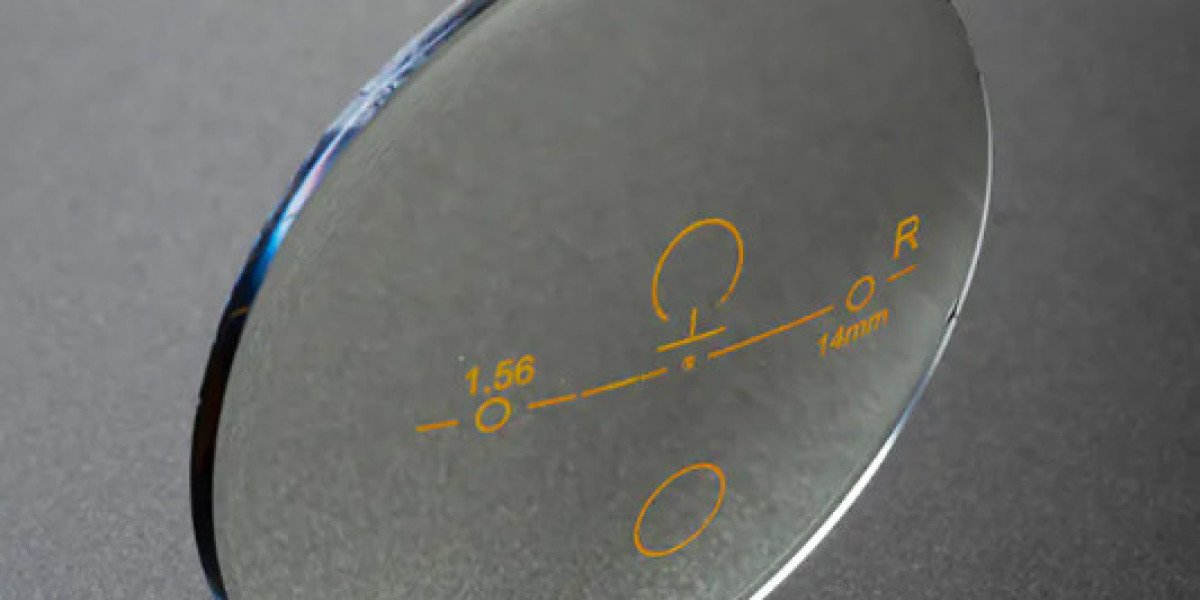

Modern eyewear is increasingly designed around the different visual environments people experience throughout the day. Blue Light Blocking Photochromic products combine light-management considerations with adaptive optical behavior, creating a multifaceted manufacturing challenge for optical suppliers. For B2B buyers, understanding materials, optical design, coating compatibility, production controls, and communication requirements can help establish a more consistent product development process.
Photochromic technology relies on light-responsive materials that change their optical appearance according to exposure conditions. The response is reversible, allowing the lens to adapt as the surrounding light environment changes. However, the final characteristics depend on material composition, substrate design, manufacturing conditions, environmental factors, and the integration of other optical technologies.
Light-management functionality introduces another layer of optical design. Different materials and treatments can influence the transmission characteristics of selected wavelengths while maintaining the clarity required for everyday eyewear. Manufacturers need to consider how these technologies interact rather than treating each function independently. Material compatibility, surface quality, optical geometry, and coating performance all contribute to the finished product.
The lens substrate is therefore an important starting point. Resin-based optical materials can provide a practical foundation for complex lens designs because they support precision forming, polishing, and surface treatment. Selection should consider optical clarity, processing behavior, environmental stability, compatibility with light-responsive components, and the requirements of the intended market.
Digital optical design helps manufacturers manage these requirements more systematically. Prescription geometry, lens thickness, fitting parameters, and optical zones can be calculated using computer-assisted systems before production begins. Digital manufacturing workflows can then transfer design information into controlled processing stages. This connection can improve repeatability and support customized production for different prescription and product requirements.
Surface preparation has a direct influence on subsequent treatment. Grinding and polishing need to establish a consistent optical surface before protective or functional coatings are applied. Cleaning is equally important because surface contamination can affect coating adhesion and appearance. Manufacturers should therefore maintain controlled processing environments and inspection procedures throughout the surface-finishing workflow.
For buyers sourcing Blue Light Blocking Photochromic products, coating technology should be evaluated alongside the underlying material system. Anti-reflective, protective, or other functional treatments may be selected according to product positioning and market requirements. The interaction between coatings and photochromic materials needs to be considered during product development to maintain a stable and consistent finished surface.
Environmental conditions can influence adaptive behavior. Temperature, light exposure, duration of exposure, and surrounding conditions may affect how a photochromic lens changes and returns toward its original state. These factors should be reflected in technical communication so distributors understand the practical operating environment. Clear product information is especially important when products are supplied to multiple international markets with different climates and usage patterns.
Quality control should address both optical and manufacturing consistency. Inspection may include substrate quality, lens geometry, surface uniformity, coating appearance, color consistency, and final optical characteristics. Process monitoring can help identify variation before products reach the final inspection stage. Equipment calibration and documented production procedures further support repeatable manufacturing.
Customization is another important factor for professional buyers. Different customers may require specific lens materials, prescription designs, dimensions, coatings, packaging formats, or labeling arrangements. A manufacturer with organized technical communication can convert these requirements into clear production specifications. This reduces ambiguity and makes repeat orders easier to manage.
Sustainable production practices can also be incorporated into modern optical manufacturing. Efficient material use, optimized production planning, appropriate packaging, and reduced process waste can support more responsible resource management. These measures can be evaluated together with quality, productivity, and long-term supply requirements rather than considered separately.
Multifunctional optical products require coordination between material science, digital design, surface engineering, production control, and quality management. A supplier capable of managing these relationships can provide a stronger foundation for customized eyewear programs and international sourcing. Thinkey Optical Co.,Ltd supports professional optical manufacturing and product development, with more information available at https://www.thinkeyoptical.com.