
Metal surfaces are widely used in manufacturing, construction, automotive production, aerospace, machinery, and many other industries. Over time, these surfaces can develop rust, oxidation, paint layers, oil, grease, dust, and other unwanted contaminants. Removing these materials efficiently is essential for maintaining surface quality and preparing components for further processing. A laser metal cleaner provides a modern approach to this requirement by using controlled laser energy to remove unwanted substances from metal surfaces.
Unlike conventional cleaning methods that often depend on chemicals, abrasive materials, or intensive manual labor, laser cleaning uses focused light energy. The laser interacts with contaminants on the surface and removes them through a carefully controlled process. This technology is becoming increasingly relevant for manufacturers looking for cleaner, more precise, and adaptable surface preparation methods.
Understanding Laser Metal Cleaning Technology
A laser metal cleaner is designed to direct a concentrated laser beam toward a contaminated metal surface. When the laser energy reaches the unwanted layer, the material absorbs the energy and separates from the underlying surface. Depending on the application, the removed material can include rust, paint, oxide layers, oil, grease, dirt, and other deposits.
The process can be adjusted according to the material being treated and the type of contamination present. Operators can control parameters such as laser power, scanning speed, frequency, and beam movement. Proper parameter selection allows the cleaning process to focus on the unwanted layer while maintaining the condition of the metal underneath.
This controlled approach makes laser cleaning suitable for many industrial applications where surface condition and precision are important.
Removing Rust From Metal Components
Rust is one of the most common problems affecting steel and other iron-containing materials. If corrosion is not properly addressed, it can continue to affect the surface and interfere with manufacturing or maintenance processes.
A laser metal cleaner can target rust and oxidation layers without requiring large quantities of chemical rust removers or abrasive media. The laser energy interacts with the rust layer, helping separate it from the metal surface.
This makes laser cleaning useful for machinery components, steel structures, automotive parts, tools, molds, pipes, and industrial equipment. After cleaning, the surface can be inspected more easily and prepared for painting, coating, welding, or other production processes.
Surface Preparation Before Welding
Clean surfaces are important when preparing metal components for welding. Paint, oxidation, grease, and other contaminants can interfere with the welding process and affect the appearance and quality of the finished joint.
A laser metal cleaner can be used before welding to remove unwanted materials from selected areas. Because the cleaning path can be precisely controlled, operators can focus on the region where welding will take place.
This type of preparation is particularly useful in manufacturing environments where different metal parts must be cleaned before assembly. It can also support repair operations where only a specific section of a component requires treatment.
Paint and Coating Removal
Removing old paint and coatings is another important application for laser cleaning technology. Traditional paint removal may involve chemical stripping, sanding, grinding, or blasting. These processes can generate waste and may require additional preparation of the work area.
Laser cleaning provides another approach by directing laser energy onto the coating. The selected parameters determine how the laser interacts with the paint layer and how quickly it can be removed.
For maintenance and refurbishment projects, this method can be used on machinery, metal frames, automotive components, industrial equipment, and other painted surfaces. Operators can work on specific areas without necessarily treating the entire component.
Cleaning Oil, Grease, and Industrial Residue
Manufacturing environments often expose metal parts to lubricants, oils, grease, and production residues. These contaminants can accumulate during machining, transportation, storage, and equipment operation.
A laser metal cleaner can be incorporated into surface preparation processes to help remove unwanted residues before subsequent manufacturing steps. Clean surfaces can make inspection and further treatment more convenient.
For example, components may need cleaning before painting, coating, bonding, welding, or dimensional inspection. Using a controlled laser process can allow manufacturers to prepare these surfaces according to the requirements of the next production stage.
Applications Across Different Industries
Laser metal cleaning technology can be applied across a wide range of industries. Automotive manufacturers can use laser cleaning for components, molds, tools, and repair work. In the aerospace sector, precise surface preparation is important for maintaining components and preparing selected areas for further processing.
Heavy machinery manufacturers can use laser cleaning for equipment parts, gears, frames, and other metal components. Shipbuilding and metal fabrication businesses can also explore laser cleaning for corrosion and coating removal.
In industrial maintenance, portable laser cleaning systems can be particularly useful because equipment and structures are not always easy to transport to a dedicated cleaning facility.
Portable and Handheld Cleaning Systems
The development of compact and handheld laser cleaning machines has expanded the range of possible applications. Instead of moving large components to a fixed cleaning station, operators can bring the cleaning equipment directly to the work area.
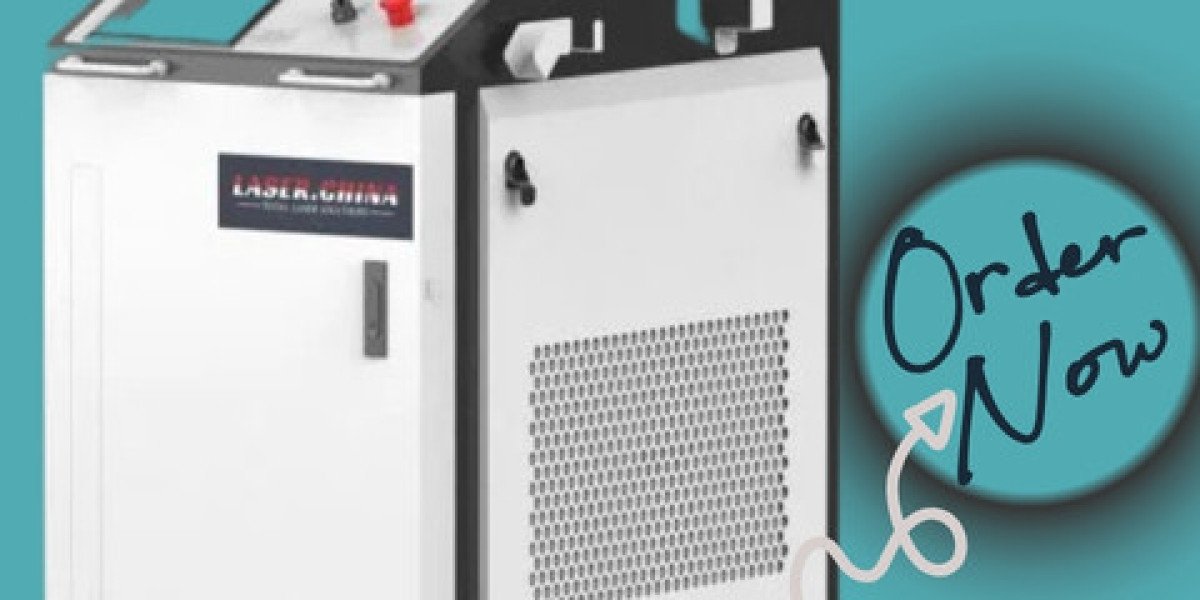
A handheld laser metal cleaner can be used for localized cleaning tasks, maintenance operations, rust removal, and surface preparation. The operator guides the cleaning head across the required area while the laser system performs the cleaning process.
For workshops handling different types of components, portability can make it easier to adapt the cleaning process to changing production requirements.
Selecting the Right Laser Metal Cleaner
Choosing an appropriate machine requires consideration of the material, contamination type, cleaning area, production volume, and required cleaning speed. Different applications may require different laser power levels and configurations.
For light surface contamination, a lower-power system may be sufficient. Heavier rust, thick coatings, or demanding industrial applications may require a higher-power configuration. The cleaning width and scanning system should also match the size and shape of the components being treated.
It is equally important to consider the machine's operating controls, cleaning head design, safety systems, maintenance requirements, and available technical support. A machine selected according to the actual production environment can provide a more practical long-term solution.
Integrating Laser Cleaning Into Production
Laser cleaning does not have to operate as an isolated process. Manufacturers can integrate it into existing production workflows according to their requirements. Components can be cleaned before welding, coating, painting, assembly, or inspection.
In automated manufacturing environments, laser cleaning systems can also be configured for controlled and repeatable operations. Automation can be useful when large numbers of similar components require consistent surface preparation.
Before full-scale implementation, manufacturers should evaluate the specific material and contamination combination and determine suitable operating parameters through controlled testing.
Safety and Responsible Operation
Laser cleaning equipment should always be operated according to the manufacturer's safety instructions. Industrial laser systems can produce intense laser radiation, so suitable protective measures are essential.
The work area should be appropriately controlled, and operators should receive proper training before using the equipment. Depending on the material being removed, the process can also produce particles or fumes, making suitable extraction and ventilation important.
Following established safety procedures helps create a controlled working environment while allowing manufacturers to take advantage of modern laser cleaning technology.
The Future of Metal Surface Cleaning
As manufacturing processes continue to focus on precision, productivity, and cleaner production methods, laser cleaning technology is receiving greater attention. The ability to target specific surface contaminants with controlled laser energy creates opportunities for applications that require accurate and repeatable cleaning.
A laser metal cleaner can become part of a broader production strategy where surface preparation is treated as an important stage rather than simply a preliminary task. From rust removal and coating preparation to maintenance and industrial restoration, laser cleaning continues to find applications across different metalworking environments.
Final Thoughts
Metal surface cleaning plays an important role in manufacturing, maintenance, repair, and fabrication. A laser metal cleaner offers a modern way to approach rust, oxidation, paint, grease, and other surface contaminants through controlled laser technology.