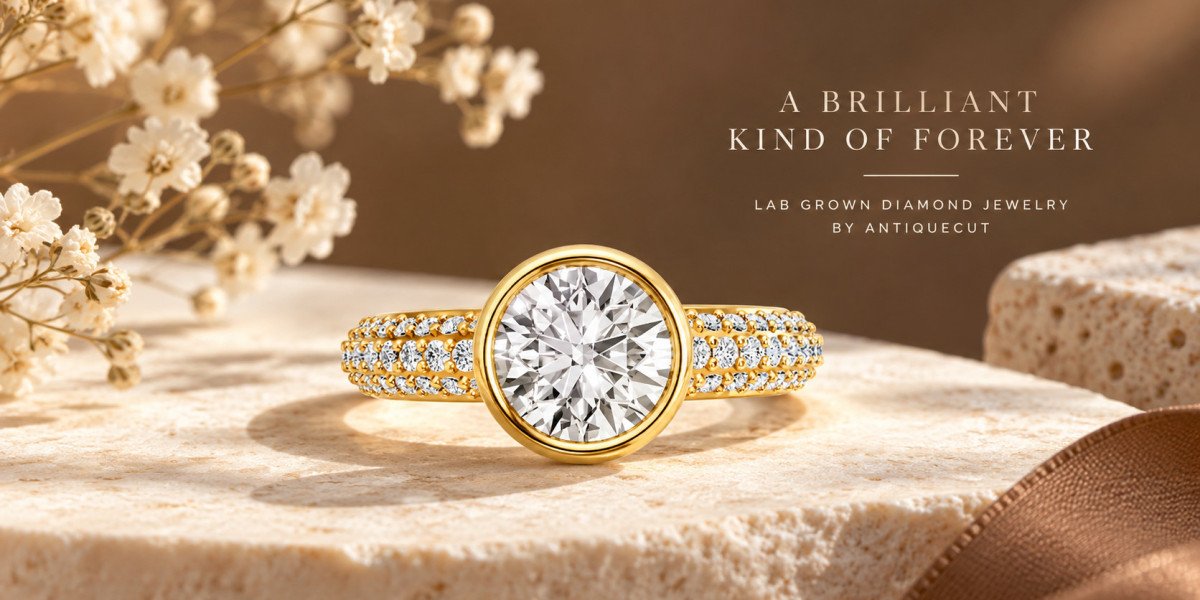

Choosing an engagement ring is often about finding a design that feels personal while also fitting comfortably into everyday life. In 2026, bezel engagement rings continue to attract attention for their clean outlines, secure stone placement, and practical appeal. Instead of holding the center stone with traditional prongs, a bezel setting surrounds the diamond with a thin metal rim. This gives the ring a distinctive appearance while helping protect the stone's edges.
Lab grown diamonds add another option for shoppers who want the look and physical properties of a diamond while considering different purchasing priorities. When paired with a bezel setting, they can create everything from simple solitaire rings to more detailed designs with side stones and shaped bands.
Why Bezel Settings Are Getting Attention in 2026
A bezel setting has a simple construction, but it can change the entire appearance of an engagement ring. The metal surrounds the outer edge of the diamond, creating a defined border between the center stone and the band.
One reason shoppers consider this style is its practical design. The metal rim can help shield the diamond's edges from everyday contact. This can be useful for people who work with their hands, travel frequently, or simply want a ring that feels easy to wear throughout the day.
The setting also gives the center stone a strong visual outline. Rather than focusing on raised prongs, the eye follows the shape of the bezel and diamond together.
For 2026, shoppers can explore bezel engagement rings in different diamond shapes, metal colors, band styles, and proportions. That variety makes it easier to find a version that fits an individual preference rather than following one fixed look.
1. Lab Grown Bezel Solitaire Engagement Ring
A solitaire is one of the simplest ways to showcase a bezel setting. The design keeps attention on one center diamond without adding multiple stones along the band.
A round, oval, pear, emerald, or cushion-cut lab grown diamond can all work with a bezel setting. The choice of shape will affect the overall character of the ring.
A round diamond offers a familiar outline, while an oval can create a longer appearance on the finger. An emerald cut gives the ring a more structured look, and a pear-shaped center can introduce an unusual silhouette.
For someone who prefers a straightforward engagement ring, a bezel solitaire engagement ring can provide a clean design without unnecessary detailing.
2. Bezel Set Engagement Rings With a Plain Band
Not every engagement ring needs additional stones. A plain band can work particularly well with a bezel center because the two elements have a clear visual relationship.
The center diamond becomes the focal point, while the smooth band keeps the rest of the ring uncomplicated. This can also make the ring easier to pair with different wedding bands.
Yellow gold, white gold, and rose gold can each change the appearance of the same bezel design. White gold creates a neutral frame around the diamond, while yellow gold creates stronger contrast. Rose gold introduces a warmer tone.
When selecting the metal, consider the jewelry already worn regularly. Matching the ring with existing necklaces, bracelets, or earrings can help create a coordinated collection.
3. Oval Bezel Diamond Engagement Ring
Oval diamonds have become a popular choice for engagement rings because their elongated shape can create a visually longer appearance across the finger.
A bezel can follow the oval outline closely, producing a smooth border around the diamond. This combination works especially well for shoppers who want something recognizable but slightly different from a traditional round center.
An oval bezel diamond engagement ring can also be paired with a narrow band for a lighter appearance or a wider band for a stronger profile.
The proportions matter. A very thin bezel around a large oval can create a different look from a wider metal border. When shopping, compare photographs from different angles instead of judging the ring only from the top.
4. Bezel Ring With Side Stones
A bezel center does not have to stand alone. Side stones can add detail along the shoulders of the band while allowing the center diamond to remain the main focus.
Small lab grown diamonds can be placed beside the center stone in several ways. Some designs use a short row of stones, while others extend the detailing farther down the band.
A useful approach is to consider how much decoration you want around the center. If you prefer the bezel to remain the main feature, a few side stones may be enough. If you enjoy a more detailed ring, a band with additional diamonds can create a fuller appearance.
This is also an area where metal selection can make a noticeable difference. A white metal band can create a continuous look around the diamonds, while yellow or rose gold can create more contrast.
5. Unique Bezel Engagement Rings With Unusual Shapes
The bezel setting is not limited to standard round diamonds. One of its advantages is that the metal border can be shaped around different diamond outlines.
Hexagonal, elongated cushion, pear, marquise, and emerald-cut diamonds can all create distinctive results.
For shoppers looking beyond conventional designs, unique bezel engagement rings can offer a way to combine an unusual center shape with a practical setting.
An east-west orientation is another possibility. Instead of positioning an elongated diamond vertically, the stone is placed horizontally across the finger. This approach can make an oval, emerald, or marquise diamond look noticeably different from a traditional arrangement.
6. Lab Grown Bezel Engagement Ring With Yellow Gold
Yellow gold can give a lab grown diamond a warm surrounding tone. When combined with a bezel, the metal becomes an important part of the ring's overall appearance because it directly frames the center stone.
This combination can work with both simple and detailed designs. A yellow-gold bezel solitaire keeps the focus on the center, while a yellow-gold band with additional diamonds creates more visual detail.
When choosing yellow gold, shoppers should also consider the karat. Common options include 10K, 14K, and 18K gold. The differences involve gold content, durability, color, and price, so the right choice depends on how the ring will be worn and the buyer's budget.
7. Bezel Engagement Ring With a Hidden Detail
A ring can remain simple from the top while including an interesting detail underneath the center stone.
A hidden halo is one example. Small diamonds can be positioned beneath the center rather than directly around its visible edge. This allows the top view to remain focused while adding detail that can be noticed from certain angles.
Another option is a decorative gallery beneath the diamond. Floral shapes, geometric lines, or open metalwork can give the ring an individual touch without changing the main bezel outline.
These details are worth considering for someone who wants a personal feature that is not immediately obvious.
8. Bezel Set Engagement Ring With a Curved Band
The shape of the band can also change how the engagement ring looks when worn.
A slightly curved band can follow the outline of the center setting and make it easier to combine with another ring. This can be especially useful for buyers who already have an idea of the wedding band they want.
A curved band can be made with or without additional diamonds. A plain version keeps the ring understated, while a diamond-set band adds more detail.
Before buying, check the actual dimensions of both rings. Two bands may appear compatible in photographs but leave a visible gap when worn together.
9. Three-Stone Bezel Design
A three-stone engagement ring can combine a central lab grown diamond with two smaller diamonds on either side.
Using bezels for all three stones can create a consistent appearance across the ring. Another approach is to use a bezel for the center while choosing a different setting for the side stones.
The three stones can represent different stages of a relationship, which gives this style a personal meaning for some couples. It also offers more opportunities to experiment with diamond shapes.
For example, an oval center with smaller round side stones creates a different result from three matching shapes.
How to Choose the Right Bezel Ring
Before selecting a ring, think about your everyday routine, preferred diamond shape, metal choice, and budget.
Consider the diamond shape: The outline of the center stone is one of the most noticeable parts of the finished ring.
Look at the bezel width: A wider metal border creates a stronger frame, while a narrower border keeps more of the diamond visible.
Think about height: Some bezel settings sit relatively close to the finger, which can be useful for people who prefer a lower profile.
Check the band width: The relationship between the center setting and band can affect the overall proportions.
Consider future stacking: If you plan to wear a wedding band beside the engagement ring, check how the two shapes fit together.
Review the diamond details: For a lab grown diamond, compare the grading information, cut, color, clarity, carat weight, and certification where applicable.
Why Lab Grown Diamonds Pair Well With Bezel Settings
Lab grown diamonds offer the same basic diamond material as mined diamonds, while being produced through controlled laboratory processes. They can be found in many of the same shapes, sizes, and quality ranges used for traditional diamond jewelry.
That makes them suitable for a wide range of engagement ring settings, including bezels.
For shoppers working within a specific budget, choosing a lab grown diamond can also allow more flexibility when deciding on carat size, diamond quality, or ring details. Instead of looking only at the center stone, buyers can compare the complete ring, including the setting, metal, craftsmanship, and diamond specifications.
Brands such as Antiquecut offer lab grown diamond jewelry in different styles, giving shoppers another place to compare designs and setting options.
Final Thoughts
Bezel engagement rings offer plenty of room for personal choices in 2026. A simple solitaire, an oval center, a yellow-gold design, a three-stone arrangement, or a ring with hidden details can each create a different result while keeping the defining bezel structure.
The best starting point is to decide what matters most to you: diamond shape, metal, setting height, band design, or everyday comfort. From there, compare several designs and pay attention to the proportions of the complete ring rather than focusing only on the center diamond.
A well-chosen bezel setting can give a lab grown diamond a clear frame and a distinctive place in the overall design, making it a practical option for shoppers looking for something personal to wear every day.