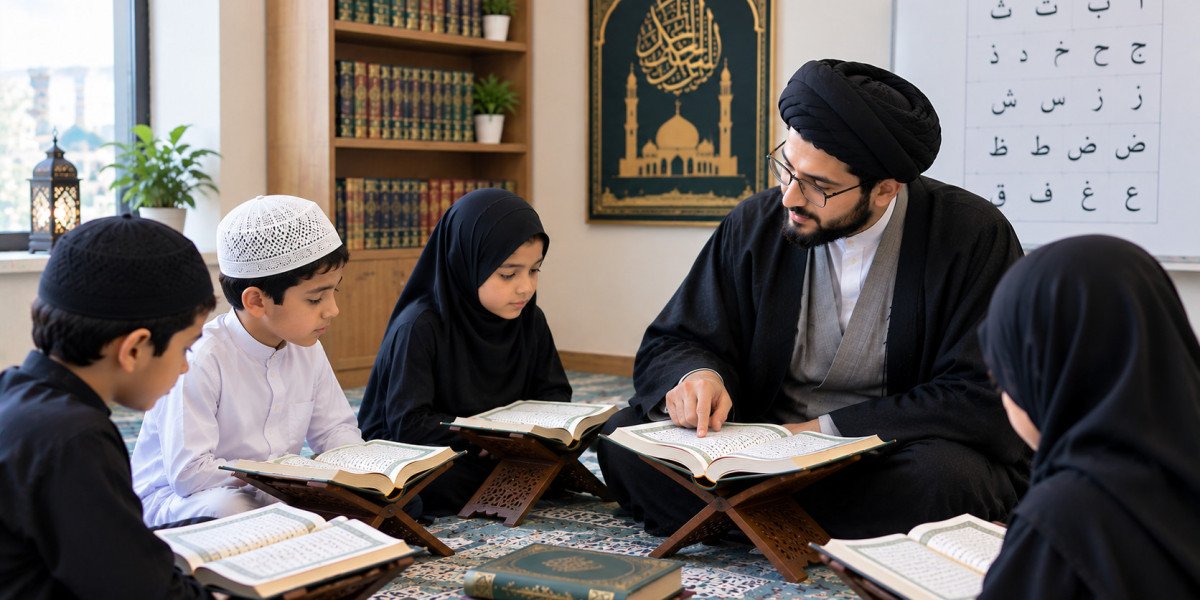

Quran learning can involve several skills, including Arabic reading, pronunciation, Tajweed, memorization, and recitation. For students who are beginners or returning to Quran study after a long break, trying to learn everything at once can feel difficult. A Shia Quran Teacher can make lessons easier to follow by breaking learning into manageable steps and adapting explanations to the student's level.
Many Shia Quran learning programs use individualized instruction, where teachers adjust the curriculum and pace according to the student's progress. This approach can help learners understand what they are studying and what they should practice next.
Starting With the Student's Current Ability
Every learner begins from a different point. Some students may know the Arabic alphabet but struggle to join letters, while others may already read the Quran but want to improve Tajweed.
A teacher can begin by observing the student's current skills. This can include listening to Quran recitation, checking pronunciation, and identifying areas where the student needs additional practice.
Starting at the appropriate level prevents lessons from becoming unnecessarily difficult or repetitive. Some Shia Quran programs use an initial assessment to determine a suitable course and starting point.
Breaking Lessons Into Smaller Steps
A large amount of new information can be difficult to remember. A Shia Quran Teacher can make lessons easier by introducing one skill or concept at a time.
For example, instead of teaching several Tajweed rules in one session, a teacher may introduce one rule, explain it, demonstrate it, and then allow the student to practice it during recitation.
Once the student becomes comfortable with that concept, the teacher can introduce the next skill.
This step-by-step approach creates a clear connection between one lesson and the next.
Using Simple Explanations
Quranic pronunciation and Tajweed can involve unfamiliar terminology. Students may find lessons easier when teachers explain technical concepts using straightforward language and practical examples.
For instance, when introducing Makharij, a teacher can explain where a particular letter is produced and then demonstrate the sound. The student can repeat it and receive feedback.
This combination of explanation, demonstration, and practice can make unfamiliar concepts easier to understand.
Connecting New Lessons With Previous Learning
Lessons become easier to follow when new material is connected to what the student has already learned.
A teacher may begin a session with a short review of the previous lesson. This gives the student an opportunity to recall the earlier material before moving forward.
One-to-one Shia Quran classes may use this type of review as part of their lesson structure, allowing teachers to check whether students have retained previous material before introducing something new.
Giving Immediate Feedback
Students may not always notice their own pronunciation or Tajweed mistakes. If an error is repeated several times, it can become a difficult habit to correct later.
A Shia Quran Teacher can listen during recitation and provide immediate feedback. The student can then repeat the word, letter, or verse and apply the correction.
One-to-one instruction can make this process particularly focused because the teacher can listen to the student's complete recitation and respond directly to their difficulties.
Adjusting the Pace of Learning
Not every student learns at the same speed. Some may understand a new rule quickly, while others may need additional examples and repetition.
A flexible teacher can slow down when a student needs more practice or move forward when the student has demonstrated sufficient understanding.
This prevents students from feeling pressured to keep pace with others. It also allows learners to spend more time on areas that genuinely require attention.
Making Lessons Suitable for Different Ages
Children and adults may need different teaching approaches. Younger students may benefit from repetition, visual materials, short activities, and simple explanations. Adults may prefer more detailed explanations and a direct focus on their personal learning goals.
Some Shia Quran programs specifically describe age-appropriate approaches for children, including visual materials, repetition, and adaptable teaching pace.
A teacher who considers the learner's age and experience can make the lesson more comfortable and easier to understand.
Giving Clear Practice Tasks
A lesson does not end when the class finishes. Students usually need to practice independently between sessions.
Clear assignments can make this practice easier. Instead of telling a student to simply "practice Quran," a teacher can specify exactly what to review.
For example, the student may be asked to:
Read a particular passage several times.
Practice specific pronunciation points.
Review a recently learned Tajweed rule.
Repeat a difficult verse.
Revise previously memorized material.
Specific instructions help students understand what they should focus on before the next lesson.
Tracking Progress Over Time
Students may sometimes feel that they are not improving because Quran learning is gradual. Progress tracking can help make development more visible.
A teacher can monitor completed lessons, recurring pronunciation issues, Tajweed skills, reading fluency, and memorization progress. Some Shia Quran programs use structured learning plans and regular progress reports for this purpose.
This information can also help the teacher decide which topics need additional attention.
Creating a Consistent Lesson Structure
A predictable lesson structure can make learning easier to manage. For example, a session may include:
Reviewing the previous lesson.
Correcting mistakes.
Introducing new material.
Practicing the new skill.
Assigning material for independent practice.
When students become familiar with this pattern, they know what to expect and can concentrate more effectively on the actual learning.
Conclusion
A Shia Quran Teacher can make Quran lessons easier to follow by assessing the student's current ability, explaining concepts clearly, introducing skills step by step, and providing regular feedback. Adjusting the pace and lesson structure can also help students with different ages, backgrounds, and learning needs.
With consistent review, practical exercises, and clear practice goals, students can better understand each lesson and gradually build stronger Quran reading and recitation skills.











