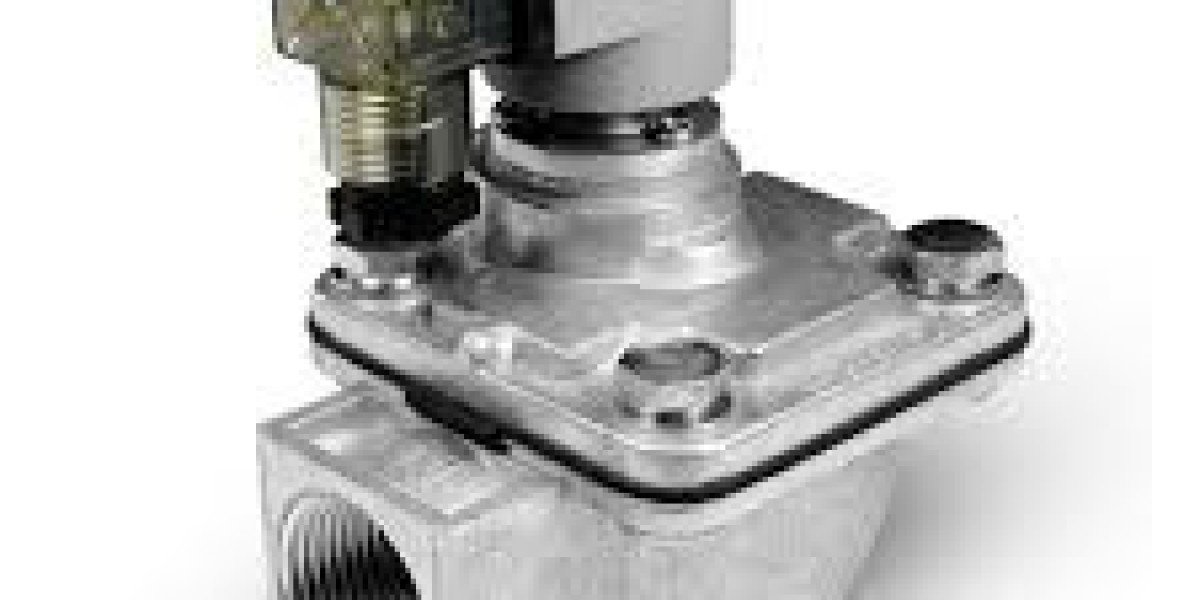

Touchless faucets combine electronic sensing with mechanical water regulation to automate a process that traditionally depended on manual operation. Within this architecture, a Sensor Faucet Solenoid Valve receives an electrical command from the control system and converts it into mechanical movement that regulates the water passage. Zhejiang Fuxin Electrical Technology Co., Ltd. develops solenoid valve solutions by coordinating electromagnetic design, sealing technology, hydraulic structure, precision processing, and production quality control.
The sensor itself does not regulate water directly. It detects a user's presence or movement and sends information to an electronic controller. The controller interprets that signal and activates the valve according to its programmed operating logic. The valve must therefore respond consistently to the electrical command so that the sensing and water-delivery stages remain properly coordinated.
The electromagnetic coil is responsible for generating the magnetic force required for mechanical movement. Copper winding, insulation, bobbin geometry, and connection construction all affect the actuator's electrical characteristics. Controlled winding processes help maintain consistency in resistance and coil positioning. Insulation quality is also important because the coil operates as an electrical component within equipment that is associated with a water environment.
The magnetic circuit includes the core and movable armature. Their materials and dimensions determine how effectively the electromagnetic field produces movement. Magnetic permeability, surface condition, air-gap geometry, and component alignment can all influence actuator behavior. Precision machining helps establish consistent dimensions, while appropriate surface treatment may be used where corrosion protection is relevant to the application environment.
Mechanical movement needs to be smooth and repeatable. The armature travels through a guide structure, and excessive friction can interfere with electromagnetic actuation. At the same time, overly generous clearances can introduce unwanted movement or affect positioning. Controlled tolerances between the armature and guide surfaces help establish an appropriate balance between free movement and mechanical stability.
The sealing system transforms this movement into water control. Depending on the valve design, a diaphragm or another sealing element may open and close the fluid passage. The sealing material must provide suitable elasticity, compression recovery, and resistance to the intended water conditions. The valve seat also needs an accurately formed contact surface so that the sealing element can establish consistent closure.
Internal hydraulic geometry affects the water path when the valve is activated. The inlet, outlet, orifice, and connecting passages need to be coordinated with the sealing mechanism and intended flow requirements. A well-designed passage can support controlled water movement while limiting unnecessary restrictions. The surrounding plumbing system should also be considered because upstream pressure and downstream conditions influence how the valve behaves.
Sensor-operated fixtures place particular importance on response coordination. When a user enters the detection range, the sensor generates a signal, the controller processes it, and the valve receives an electrical command. Any inconsistency between these stages can affect the user experience or system operation. For this reason, electrical connections, controller compatibility, actuator characteristics, and mechanical movement should be evaluated as part of one integrated system.
Compact design is valuable because sensor faucet assemblies often have limited internal space. The valve body, coil, electrical connector, water connections, and surrounding plumbing components must fit into a coordinated structure. Designers also need to consider assembly access and sealing inspection. Efficient component placement can simplify integration without compromising the valve's internal mechanical relationships.
Quality control can be implemented throughout the manufacturing process. Material inspection can verify incoming components, while machining checks can monitor critical dimensions. Coil assemblies can be tested electrically, and assembled valves can be evaluated for leakage and actuation. Functional testing can further verify that the finished component responds consistently to its intended electrical control conditions.
For manufacturers of automated sanitary fixtures, selecting a Sensor Faucet Solenoid Valve requires consideration of sensor-controller compatibility, electromagnetic performance, sealing materials, hydraulic passages, and manufacturing consistency. Zhejiang Fuxin Electrical Technology Co., Ltd. integrates these factors into its solenoid valve production for sanitary water-control applications, and its related product solutions can be explored at https://www.fuxinvalve.com/product/sanitary-ware-solenoid-valves/.