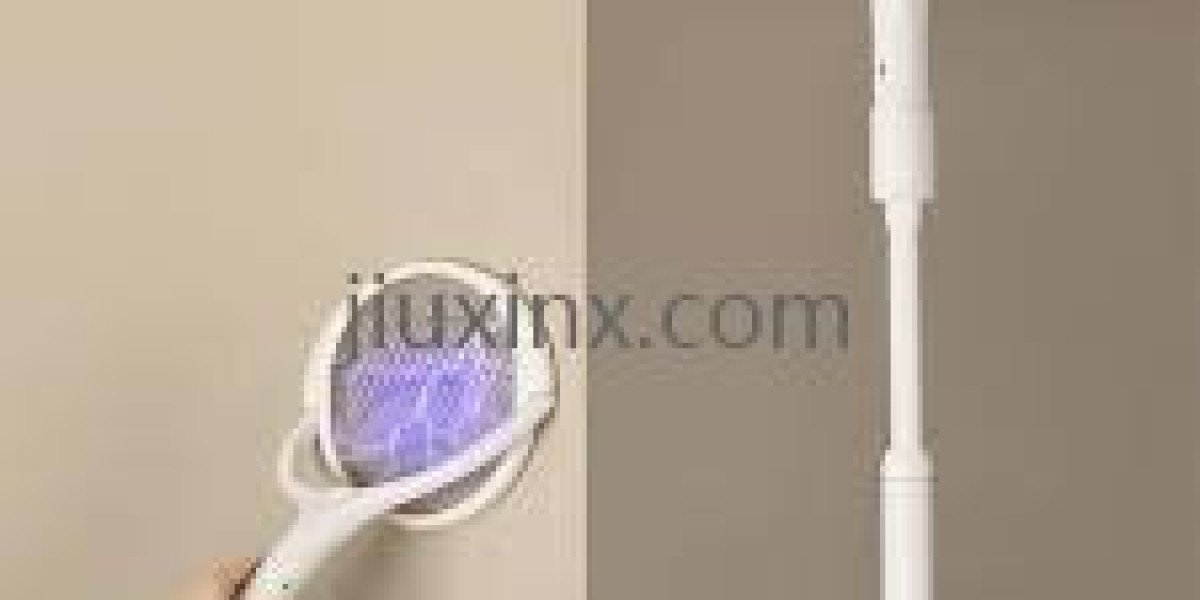

Rechargeable consumer electronics are increasingly designed to provide convenient repeated use while reducing dependence on disposable batteries. For compact household pest-control products, rechargeable power can be integrated into a lightweight structure without significantly complicating everyday operation. The Rechargeable Electric Mosquito Swatter demonstrates how battery technology, charging circuitry, structural design, and ergonomic considerations can be combined within one product.
The rechargeable system begins with the relationship between the battery, charging interface, circuit board, switch, and internal wiring. These components must be arranged within a limited space while remaining mechanically secure. Engineers need to consider how repeated charging and normal handling may affect the internal structure, particularly around the charging connection and battery installation area.
Material selection supports both structural and electrical requirements. The external housing should provide adequate rigidity while keeping overall weight manageable. Engineering plastics can offer accurate molding and electrical insulation, making them suitable for compact electronic enclosures. Consistent molding also helps ensure that the handle, frame, grille, cover, and internal supports fit together correctly.
Ergonomic design remains important because the product is intended for handheld operation. A balanced weight distribution can make the device more comfortable to control. The grip should provide sufficient stability, while the operating switch should be easy to reach. A carefully designed control position can simplify operation without requiring users to adjust their hand position repeatedly.
The rechargeable battery needs secure mechanical support. Movement inside the enclosure can place unnecessary stress on contacts or wiring, particularly when the product is carried or transported. A properly designed battery compartment or internal support structure can help maintain stable positioning. The charging port also requires adequate mechanical reinforcement because repeated connection and disconnection can place stress on the surrounding housing.
Electrical assembly requires consistent production procedures. Wiring, soldering, battery contacts, circuit-board installation, and switch connections should be completed according to defined work instructions. Proper insulation and component separation help maintain a controlled internal structure. Functional testing can then verify charging response, power behavior, switching, and overall operation.
The protective grille and surrounding frame require similar attention to manufacturing accuracy. Components should fit securely without unnecessary gaps or movement. Accurate tooling and incoming inspection can help identify dimensional problems before assembly. Consistent fitting is useful not only for structural stability but also for maintaining a uniform appearance across large production batches.
Quality assurance should cover both individual components and completed units. Manufacturers can inspect batteries, charging interfaces, circuit boards, switches, plastic components, and other materials before assembly. During final testing, the completed product can be checked for charging behavior, operating response, structural condition, and general appearance.
For international B2B buyers, repeatable production is important when products are purchased in larger quantities. A stable manufacturing process helps distributors receive consistent products across different shipments. Standardized assembly, process inspection, functional testing, and production records can all contribute to better batch-to-batch consistency.
Packaging should protect the rechargeable product during international logistics. Charging ports, switches, housing surfaces, and protective structures may be affected by impact or compression. Appropriate internal packaging can limit unnecessary movement and help preserve the product before it reaches distributors or retailers.
OEM and private-label requirements may include branding, packaging, housing appearance, or charging-interface changes. These modifications should be reviewed during engineering development because they can affect both internal space and assembly procedures. Coordinating customization requirements before production can help maintain efficiency and reduce unnecessary rework.
Yiwu Jiuxin Electric Co Ltd develops practical electronic consumer products with attention to rechargeable power systems, material engineering, structural design, and manufacturing control. Through coordinated battery integration, charging design, assembly procedures, and quality inspection, the Rechargeable Electric Mosquito Swatter can provide a reusable household pest-control option for international markets. More information about the company's product range is available at https://www.jiuxinx.com.