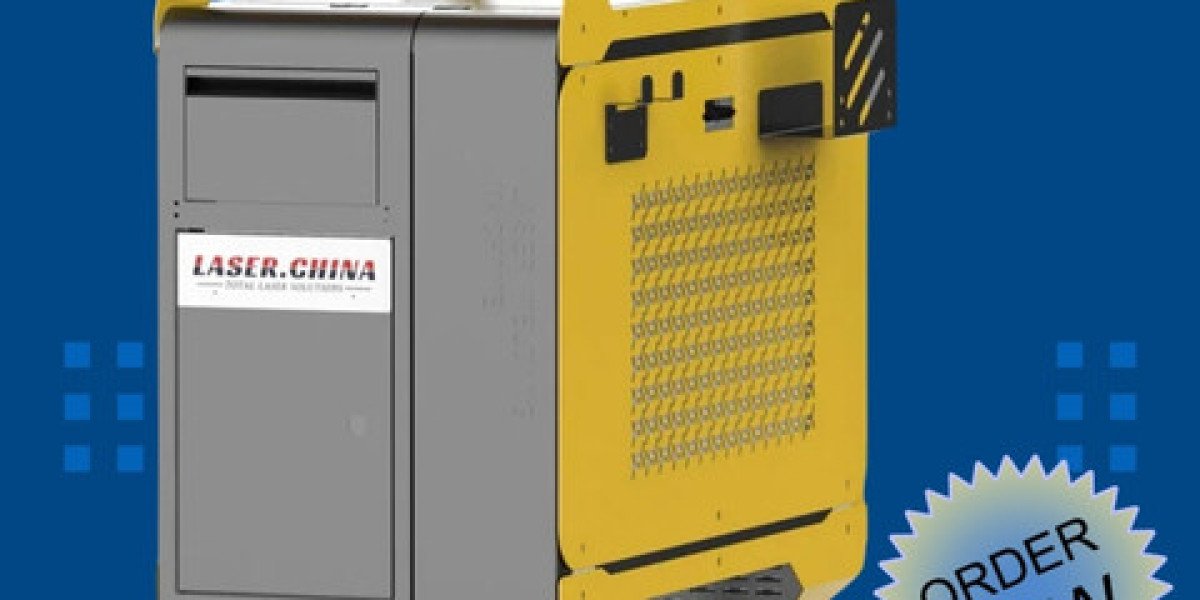

A laser paint remover is an advanced surface-cleaning system designed to remove unwanted paint, coatings, oxides, and other surface contaminants using a concentrated laser beam. Instead of relying on abrasive contact, the laser directs controlled energy onto the coating, causing it to heat, break down, vaporize, or detach from the underlying surface. This makes laser technology particularly useful when precision and surface quality are important.
For manufacturers, restoration specialists, automotive professionals, fabricators, and maintenance teams, laser paint removal provides a modern approach to preparing surfaces for repainting, welding, bonding, inspection, and refurbishment. lasercleaner brings this technology into a practical solution for businesses looking to improve their surface-treatment processes.
How Laser Paint Removal Works
The operation of a laser paint remover is based on controlled laser energy. When the focused beam reaches a painted surface, the coating absorbs the energy and rapidly heats. Depending on the coating and selected parameters, the paint can undergo ablation, vaporization, or separation from the substrate. The unwanted layer is removed while the operator controls the laser's movement and processing parameters.
The effectiveness of the process depends on factors such as coating composition, thickness, substrate material, laser power, scanning speed, pulse settings, and the number of passes. Proper parameter selection allows operators to achieve consistent cleaning results across different applications.
Precise Removal for Better Surface Preparation
One of the most important advantages of a laser paint remover is its ability to target specific areas. Laser cleaning can remove coatings from defined sections rather than treating an entire component unnecessarily. This is especially valuable when only a welding zone, bonding area, inspection point, or repair section needs to be cleaned.
With precise control, operators can work around edges, detailed features, joints, and other areas where conventional surface preparation may require extensive masking or manual work. lasercleaner technology is therefore well suited to applications where accuracy and repeatability are essential.
A Powerful Solution for Metal Surfaces
Laser paint removal is widely applicable to metal substrates, including steel, aluminum, and copper. Different coatings can also be addressed, including industrial paint, powder coating, e-coating, protective layers, and other surface finishes.
This versatility makes a laser paint remover valuable across manufacturing, automotive, fabrication, machinery maintenance, restoration, and other industries. Whether a company is preparing a metal component for welding or restoring an older painted part, controlled laser cleaning can provide an efficient surface-treatment option.
Clean Processing With Controlled Energy
Traditional paint-removal processes can involve abrasive media, solvents, or extensive manual preparation. Laser cleaning works through a non-contact process, meaning the laser head does not need to physically scrape or grind against the workpiece. This approach provides controlled energy delivery and can help preserve important surface features.
For businesses focused on organized and efficient production environments, this controlled process can simplify surface preparation. lasercleaner systems can be selected and configured according to the intended application, helping operators achieve reliable coating-removal results.
Excellent Choice for Automotive Applications
The automotive sector offers many opportunities for a laser paint remover. Vehicle components, panels, frames, wheels, tooling, and metal parts may require paint or coating removal during restoration, repair, modification, or refinishing.
Laser technology can target painted areas with precision, making it useful for detailed automotive work. It can also support preparation before welding and other repair processes by removing coatings from the areas that require treatment. This allows professionals to focus cleaning exactly where it is needed.
Useful for Manufacturing and Industrial Maintenance
Industrial facilities regularly need to restore machinery, tooling, production components, and metal structures. Paint and protective coatings may need to be removed before inspection, repair, repainting, or joining operations.
A laser paint remover can become an important part of this workflow by providing a controlled method for removing surface layers. High-power systems can also be suitable for larger coated areas, while pulsed systems can provide greater control for detailed or selective applications.
For industrial users, this flexibility makes lasercleaner a practical technology for integrating laser surface treatment into different maintenance and production environments.
Advantages of Using a Laser Paint Remover
High Precision
Precision is one of the strongest benefits of laser paint removal. Operators can direct the laser toward specific areas and control the treatment according to the coating and substrate. This is particularly useful for detailed components and selective coating removal.
Non-Contact Processing
Because the laser works without direct mechanical contact, there is no grinding head or abrasive tool physically rubbing against the workpiece. This makes the technology suitable for applications where maintaining surface geometry and details is important.
Reduced Consumables
Laser-based paint removal does not require conventional abrasive media or chemical stripping agents as part of the laser process. This can simplify material handling and support a cleaner workflow.
Consistent Results
Modern laser systems provide controllable operating parameters, helping users establish repeatable processing conditions. Consistency is particularly valuable for manufacturing environments where multiple components need the same surface-treatment process.
Versatile Applications
A single laser cleaning platform can support a variety of surface-treatment tasks, including paint removal, coating removal, rust cleaning, oxide removal, and surface preparation. This versatility can make laser technology useful across multiple production and maintenance requirements.
Supporting Repainting and Recoating Projects
Surface preparation is an important part of achieving a successful new coating. A laser paint remover can help expose the underlying substrate by removing unwanted paint and surface layers before a new coating is applied.
For restoration and refurbishment projects, this provides an opportunity to prepare selected areas with greater control. lasercleaner solutions can therefore support workflows where an existing finish must be removed before the next stage of treatment.
A Valuable Tool for Welding Preparation
Paint and functional coatings can interfere with welding and joining operations. Laser paint removal can selectively clear coatings from areas where welding, bonding, electrical contact, or other joining processes will take place. Industrial laser applications commonly use this approach for precise joining preparation.
This makes the laser paint remover an attractive solution for manufacturers that require clean and clearly defined processing zones before joining operations.
Flexible Technology for Different Workloads
Laser paint-removal equipment can be selected according to the size, coating thickness, precision requirements, and production volume of a particular application. Pulsed laser systems are commonly associated with selective and detailed coating removal, while higher-power continuous-wave systems can be used for larger coated surfaces.
This flexibility allows businesses to select equipment around their actual workflow instead of treating every application in exactly the same way.
Why Choose lasercleaner?
lasercleaner represents a modern approach to surface treatment by focusing on controlled laser technology for cleaning and coating-removal applications. For businesses seeking improved precision, efficient processing, and versatile surface preparation, laser equipment can provide an important addition to their production capabilities.
From automotive components and industrial machinery to metal fabrication and restoration projects, a laser paint remover can support numerous professional applications. Its combination of precision, non-contact operation, controllability, and versatility makes laser technology an increasingly useful choice for modern surface preparation.
Professional Surface Treatment With Modern Technology
As industries continue to demand greater efficiency and precision, advanced surface-treatment equipment is becoming increasingly important. Laser cleaning provides a controlled way to address paint and coatings while supporting a wide range of manufacturing and maintenance processes.
With the right equipment and properly selected operating parameters, lasercleaner can help businesses develop a more streamlined approach to coating removal and surface preparation. The technology can be adapted to different materials, coating types, component shapes, and production requirements.
Final Thoughts
A laser paint remover provides a precise, controlled, and versatile method for removing paint and coatings from many industrial surfaces. Its non-contact operation, selective cleaning capability, reduced reliance on traditional consumables, and suitability for detailed applications make it a valuable technology for modern surface preparation.
For automotive restoration, manufacturing, fabrication, machinery maintenance, welding preparation, and recoating projects, lasercleaner offers a powerful solution built around the advantages of laser surface treatment. By combining precision with flexible application possibilities, laser paint removal can help businesses achieve cleaner preparation and more efficient professional workflows.