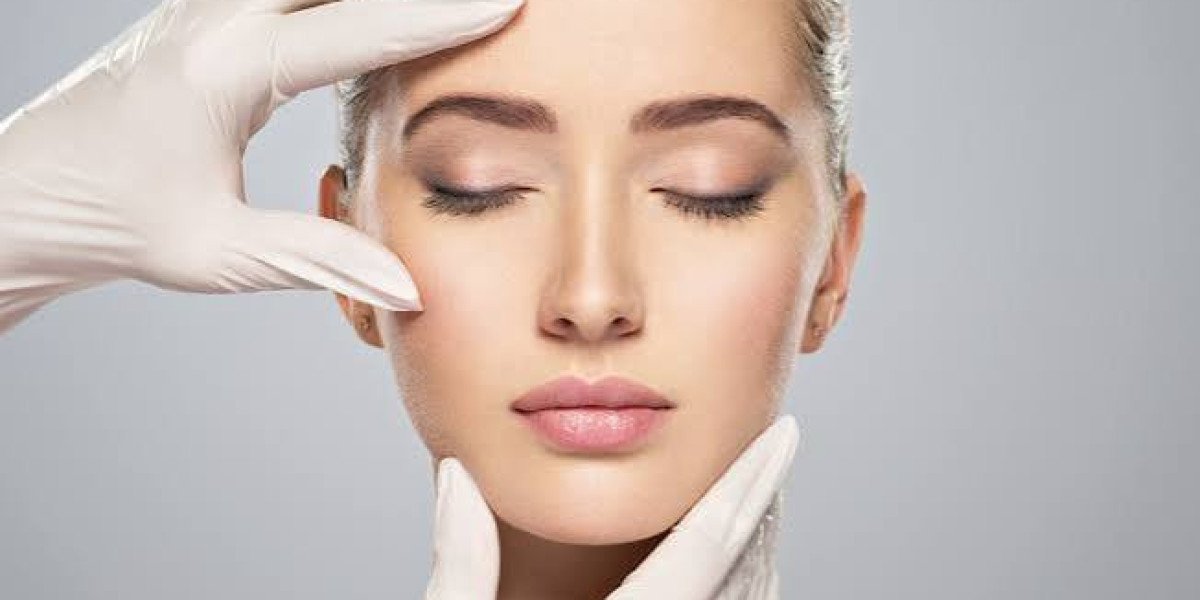

A healthy, refreshed appearance does not always require major cosmetic procedures. Today, people have access to a wide range of facial aesthetics treatments designed to address common concerns such as fine lines, uneven skin tone, acne scars, dullness, and changes in skin texture. Many of these options are minimally invasive or non-surgical, making them appealing to people who want noticeable improvements without extensive downtime.
However, choosing a treatment is not simply about selecting the most popular option. Different procedures address different concerns, and factors such as skin type, age, medical history, goals, and expected recovery time can all influence the right choice. Understanding the available options can make it easier to have a productive conversation with a qualified aesthetic professional.
What Are Facial Aesthetics Treatments?
Facial aesthetics treatments include professional procedures designed to improve the appearance, texture, tone, or overall condition of the face. Some focus primarily on the skin, while others address facial lines, volume changes, or specific cosmetic concerns.
Depending on the treatment, the goal may be to smooth the appearance of fine lines, improve skin texture, reduce the appearance of pigmentation, or encourage healthier-looking skin. Some procedures require little or no downtime, while others may involve temporary redness, swelling, or peeling.
Because every person's skin is different, treatment should ideally begin with an assessment rather than a one-size-fits-all approach.
Common Facial Aesthetic Procedures to Consider
There is no single treatment that works for every concern. Common facial aesthetic procedures include chemical peels, microneedling, injectable treatments, laser-based procedures, and professional facials.
Chemical peels use specially formulated solutions to remove damaged outer layers of skin. Depending on the type and strength, they may be used to address uneven tone, mild pigmentation, rough texture, or signs of sun damage.
Microneedling is another popular option. It uses very small needles to create controlled micro-injuries in the skin, which can stimulate the body's natural healing response. It is commonly considered for concerns such as uneven texture and the appearance of acne scars.
Injectable treatments, including certain neuromodulators and dermal fillers, work differently. Neuromodulators can temporarily reduce the appearance of certain expression lines, while fillers may be used to restore or enhance facial volume. These procedures require an appropriately trained medical professional because technique, product selection, and facial anatomy all matter.
Laser and light-based procedures can also be used for selected skin concerns. The appropriate technology depends on factors such as the condition being treated and the individual's skin characteristics.
Exploring Non-Surgical Facial Treatments
One reason non-surgical facial treatments have become popular is that they can provide cosmetic improvements without traditional surgery. For people who have busy schedules, shorter recovery periods can be an important consideration.
These treatments range from relatively simple skin-focused procedures to more advanced technologies. Some aim to improve surface texture, while others target pigmentation, vascular concerns, or signs of aging.
It is important, however, not to assume that "non-surgical" means risk-free. Even minimally invasive treatments can have side effects. Temporary redness, swelling, sensitivity, bruising, or irritation may occur depending on the procedure. There can also be contraindications for certain individuals.
A consultation is therefore valuable before treatment. A qualified professional can explain what a procedure can realistically achieve, discuss potential risks, and determine whether another approach may be more appropriate.
How to Choose the Right Facial Skin Treatment
Choosing among different facial skin treatments starts with identifying the concern you actually want to address. Someone dealing primarily with uneven pigmentation may need a different approach from someone concerned about fine lines or acne scars.
It is also helpful to consider your timeline. If you have an upcoming event, for example, a treatment with significant peeling or swelling may not be appropriate immediately beforehand. Some procedures show gradual results over several weeks, while others may produce a more noticeable change sooner.
Your skin type and history should also be considered. Previous reactions, active skin conditions, medications, sun exposure, and previous cosmetic procedures may affect which treatments are suitable.
Rather than choosing a procedure based solely on social media trends, look for evidence about its effectiveness and understand its limitations. Ask what results are realistic, how many sessions may be needed, what the recovery period involves, and what potential complications should be considered.
What to Know Before Cosmetic Facial Procedures
Before undergoing cosmetic facial procedures, make sure you understand exactly what is being recommended. Ask about the professional's qualifications and experience with the specific treatment, as well as the products or technology being used.
A good consultation should include more than a discussion of appearance. It should cover your relevant medical history, allergies, medications, previous procedures, and expectations. You should also receive clear information about aftercare and when to seek professional advice if something does not seem right.
It is worth remembering that aesthetic treatment is not about achieving perfection. Good outcomes are often based on realistic goals and a personalized treatment plan. In some cases, the best approach may involve improving skin health first rather than immediately pursuing a more intensive procedure.
Making an Informed Choice
With so many options available, facial aesthetics treatments can seem overwhelming at first. The best choice depends on your individual concerns, skin characteristics, expectations, and tolerance for downtime.
Whether you are considering a chemical peel, microneedling, an injectable treatment, laser-based care, or another option, take time to understand how the procedure works and what results you can realistically expect. A professional assessment can help distinguish between treatments that are appropriate for your needs and those that may not be suitable.
Ultimately, successful aesthetic care is less about following trends and more about making informed decisions. When treatments are selected carefully and performed by qualified professionals, they can be one part of a thoughtful approach to maintaining healthy, confident-looking skin.











