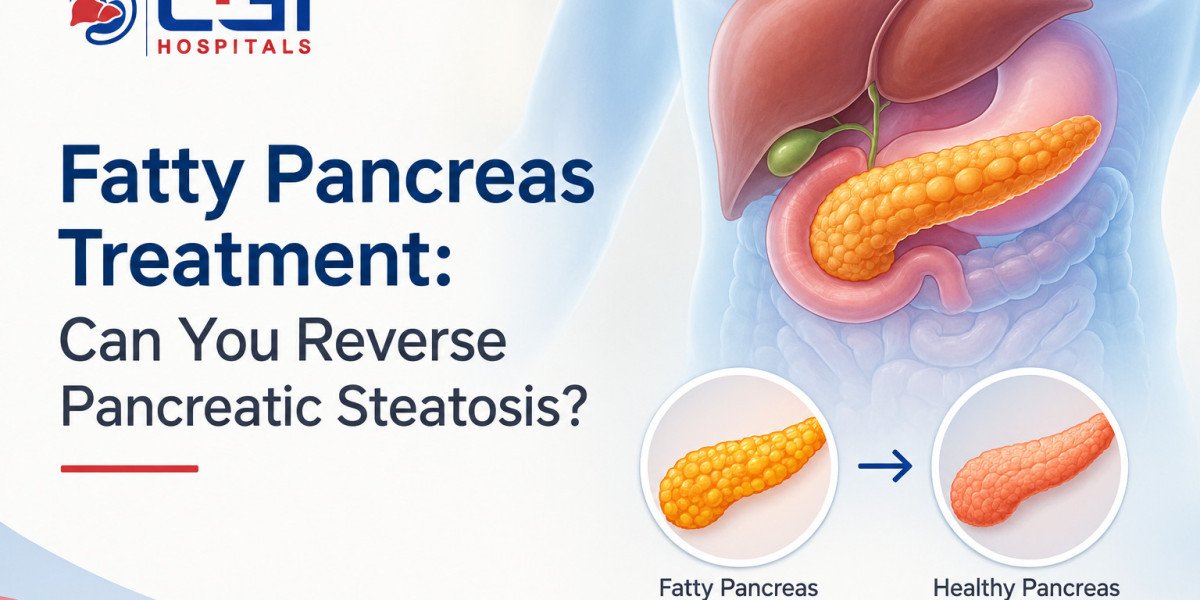

Quick Answer:Fatty pancreas treatment focuses on reversing the underlying metabolic causes, as there is no specific medication to melt pancreatic fat. The most effective approach involves gradual weight loss, strict blood sugar management, and a low-fat, antioxidant-rich diet. At LGI Hospitals, our specialized gastroenterology team helps patients manage pancreatic steatosis to prevent severe complications like chronic inflammation or diabetes.
Most people are familiar with fatty liver disease, but a similar and equally concerning condition is quietly on the rise: fatty pancreas, medically known as pancreatic steatosis. When fat accumulates in the pancreatic tissue, it can disrupt the organ's ability to produce digestive enzymes and regulate blood sugar.
In this guide, the gastroenterology team at LGI Hospitals explains the realities of fatty pancreas treatment, how to manage it through diet, and when medical intervention becomes necessary. For a deeper clinical understanding, you can also read our comprehensive guide on understanding fatty pancreas and its impact on digestion.
What Causes Fat Accumulation in the Pancreas?
The pancreas is a vital organ responsible for producing insulin and digestive enzymes. When excess calories are consumed, the body stores fat not just under the skin, but around and inside internal organs.
Risk Factor | How It Impacts the Pancreas |
Obesity | Excess visceral fat directly infiltrates pancreatic tissue. |
Type 2 Diabetes | Insulin resistance and high blood sugar accelerate fat deposition. |
Metabolic Syndrome | High cholesterol and triglycerides contribute to organ fat storage. |
Heavy Alcohol Use | Alcohol toxicity damages pancreatic cells, replacing them with fat. |
Aging | Natural cellular changes can lead to mild fat replacement over time. |
Medical vs. Lifestyle Treatment Approaches
Unlike some conditions, there is no magic pill to melt fat from the pancreas. Treatment is entirely focused on reversing the underlying metabolic dysfunction.
Weight Management: Losing just 5 to 10 percent of your body weight can significantly reduce visceral fat, including fat stored in the pancreas.
Blood Sugar Control: Managing insulin resistance through diet or medication prevents further metabolic stress on the organ.
Alcohol Cessation: Completely stopping alcohol intake prevents further cellular toxicity.
If left unmanaged, fat infiltration and metabolic stress can trigger severe inflammation. You can learn more about how specialists manage advanced pancreatic inflammation and related complications when the organ becomes severely distressed and requires acute medical care.
The Pancreas-Healing Diet
Dietary modification is the cornerstone of fatty pancreas treatment. The pancreas produces the enzymes needed to break down fats, so a high-fat diet forces an already compromised organ to overwork.
Foods to Include | Foods to Strictly Avoid |
Antioxidant-rich fruits (berries, cherries) | Fried and greasy foods |
Cruciferous vegetables (broccoli, spinach) | Refined sugars and high-fructose syrups |
Lean plant proteins (lentils, tofu) | Heavy dairy and processed meats |
Omega-3 sources (walnuts, flaxseeds) | Alcohol and sugary beverages |
Expert Care at LGI Hospitals
Managing metabolic and pancreatic disorders requires a multidisciplinary approach. At LGI Hospitals, patients have access to some of the most experienced specialists in Central India. The expert medical team, including Dr. Prashant Bhandarkar, Dr. Manoj Vyawahare, and Dr. Yogesh Bang, brings decades of combined experience in hepatology, pancreatico-biliary diseases, and advanced endoscopy to ensure accurate diagnosis and personalized care. LGI Hospitals provides the advanced imaging and specialized dietary counseling required to safely reverse metabolic conditions.
FAQs
How to remove fat from the pancreas naturally?
The most effective natural method is gradual weight loss through a calorie-controlled, low-fat diet and regular aerobic exercise. Losing just 5 to 10 percent of your body weight can significantly reduce visceral fat, including fat stored in the pancreas and liver. Managing blood sugar levels and completely stopping alcohol consumption are also critical steps for natural reversal.
How serious is a fatty pancreas?
While early-stage pancreatic steatosis is often asymptomatic and reversible, it is a serious metabolic warning sign. It is strongly linked to insulin resistance, type 2 diabetes, and an increased risk of developing acute pancreatitis or pancreatic insufficiency. In rare cases, long-term fat infiltration can be a risk factor for more severe pancreatic cellular changes, making early medical evaluation essential.
What are 10 amazing foods to heal your pancreas?
The top 10 foods to support pancreatic health include:
Blueberries and cherries (rich in antioxidants)
Spinach and kale (high in iron and vitamins)
Broccoli and cauliflower (cruciferous vegetables that reduce inflammation)
Turmeric (contains curcumin, a powerful anti-inflammatory)
Green tea (packed with protective polyphenols)
Sweet potatoes (rich in beta-carotene)
Tofu and lentils (lean, low-fat plant proteins)
Probiotic yogurt (supports gut and digestive health)
Garlic (helps regulate blood sugar)
Walnuts and flaxseeds (excellent sources of Omega-3 fatty acids)
What to eat if you have fatty pancreas?
You should focus on a Mediterranean-style diet that is low in saturated fats and refined sugars. Prioritize lean proteins, complex carbohydrates, and high-fiber vegetables. Avoid fried foods, heavy dairy, processed meats, and sugary beverages, as these force the pancreas to overwork to produce digestive enzymes and insulin.
Key Takeaways
Fatty pancreas treatment relies on lifestyle modifications, specifically weight loss and blood sugar management, rather than specific medications.
Pancreatic steatosis is a major warning sign for insulin resistance, type 2 diabetes, and future pancreatic inflammation.
A low-fat, high-antioxidant diet reduces the workload on the pancreas and promotes cellular healing.
Avoiding alcohol and refined sugars is non-negotiable for reversing visceral fat accumulation.
LGI Hospitals offers comprehensive metabolic and pancreatic care led by elite gastroenterology and surgical specialists.
Early diagnosis through specialized imaging allows for complete lifestyle reversal before permanent damage occurs.
Final Words
Your pancreas works silently every single day to regulate your metabolism and digest your food. When it becomes burdened by excess fat, it requires immediate lifestyle intervention and expert medical guidance to prevent long-term metabolic damage. With accurate diagnostics, targeted dietary changes, and specialist care, pancreatic steatosis can often be successfully managed and reversed.
If you have been warned about fatty infiltration in your abdominal organs, do not wait for symptoms to worsen. Book a consultation with our pancreatic specialists at LGI Hospitals today for an accurate diagnosis and a safe, personalized treatment plan.
Medical Disclaimer: This article is for educational purposes only and is not a substitute for professional medical advice, diagnosis, or treatment. Always consult a qualified physician for any medical concerns. LGI Hospitals assumes no liability for actions taken based on this content. Seek immediate medical attention in case of a medical emergency.
Book Your Appointment at LGI Hospitals Now →










