
Introduction
Daily routines often leave little time for quiet personal reflection. Work, studies, family responsibilities, social activities, and digital communication can keep people occupied throughout the day.
As a result, many individuals look for practices that give them an opportunity to slow down and think about their experiences. Meditation, journaling, mindfulness, and spiritual practices can all provide different ways to encourage self-awareness.
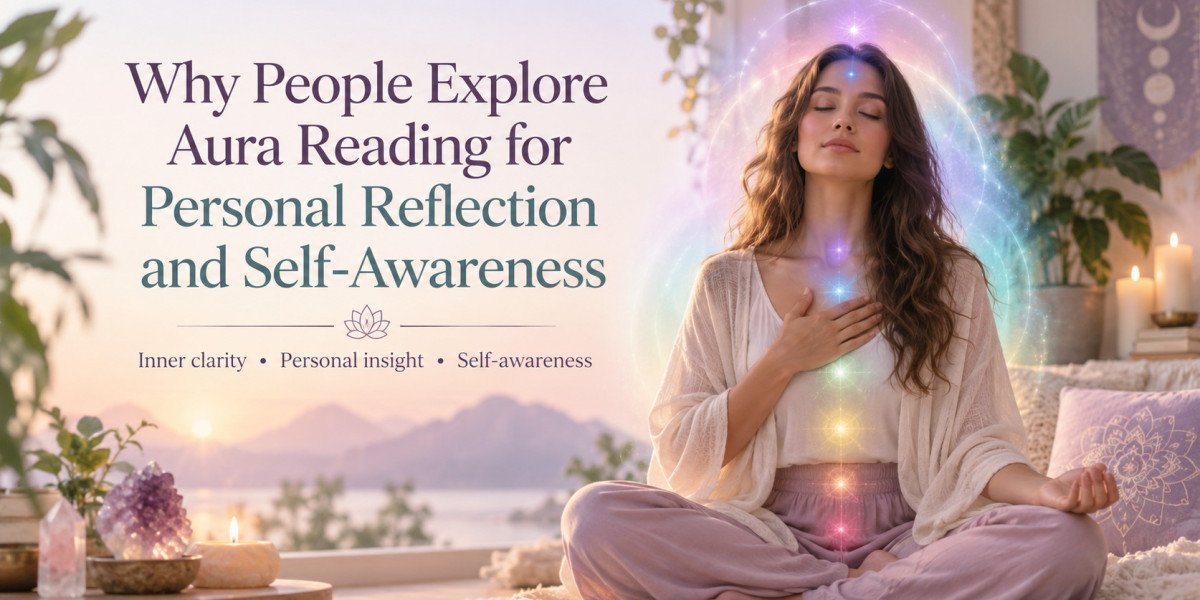
Aura reading is another practice that some people explore for this reason. It focuses on the traditional concept of an energetic field surrounding an individual. An aura reader may interpret perceived colors, patterns, or qualities and use them as themes for reflection.
The experience can encourage people to consider how they feel, what they value, and which areas of life they want to understand better.
What Is Aura Reading?
Aura reading is a spiritual and energy-based practice involving the interpretation of a person's perceived aura.
Practitioners may discuss colors such as red, orange, yellow, green, blue, purple, or white. Each color can carry symbolic meanings depending on the practitioner's tradition.
For example, red may represent energy, blue may relate to communication, and green may represent balance or growth.
These interpretations vary. Aura reading should not be treated as a scientifically established assessment of someone's physical or mental health.
For many people, the reflective aspect makes the practice interesting.
Why Do People Explore Aura Reading?
People have different reasons for exploring spiritual practices.
Some may simply feel curious about energy traditions. Others may want to spend time reflecting on their current experiences.
Common motivations include:
- Personal curiosity
- Spiritual exploration
- Self-reflection
- Interest in energy practices
- Emotional awareness
- Personal goal setting
- Desire for quiet reflection
The reason for exploring aura reading can shape what someone takes away from a session.
Aura Reading as a Reflection Tool
A session can provide a structured opportunity to pause and think.
An aura reader may describe certain themes based on their interpretation. The client can then consider whether those themes connect with their current experiences.
For example, a discussion about communication may encourage someone to think about relationships or workplace interactions.
A discussion about balance may lead someone to examine how they divide time between work and personal activities.
The interpretation does not need to provide a definitive answer to be useful as a reflection prompt.
Exploring Emotional Awareness
Emotional awareness involves recognising and understanding your feelings.
An aura reading session may encourage people to ask:
- What emotions have I experienced recently?
- What situations affect my mood?
- Do I communicate my feelings clearly?
- How do I respond to challenging situations?
- Do I give myself enough time to rest?
- What makes me feel connected and motivated?
These questions can help people examine their experiences more carefully.
Understanding Personal Patterns
People often repeat certain behaviours without noticing them.
Reflection can help identify patterns in areas such as:
- Communication
- Relationships
- Work habits
- Time management
- Personal boundaries
- Stress responses
- Goal setting
An aura reading expert may discuss symbolic themes that encourage the individual to examine these patterns.
The client remains responsible for deciding whether the interpretation applies to their own life.
Aura Reading and Self-Awareness
Self-awareness involves understanding your thoughts, emotions, behaviour, strengths, and areas for development.
Aura reading can become one of several reflective activities that support this process.
For example, after a session, a person might write down the main themes they remember. They can then compare those themes with their current experiences.
This approach turns a one-time session into a broader reflection exercise.
Using Journaling After an Aura Reading
Journaling can help organise thoughts after an aura reading.
You might write about:
- What stood out during the session
- Which ideas felt relevant
- Which ideas did not match your experience
- What emotions you noticed
- What changes you want to consider
- What personal goals matter to you
There is no requirement to accept every interpretation. The journal can include both agreement and disagreement.
This keeps the process personal and thoughtful.
Aura Reading and Meditation
Some people combine aura reading with meditation.
Meditation can provide quiet time before a session and create space for reflection afterwards.
For example, you might spend a few minutes focusing on your breathing before an appointment. Afterward, you can sit quietly and think about the themes discussed.
This does not prove the accuracy of an aura interpretation. Instead, meditation can provide a useful environment for personal reflection.
Aura Reading and Mindfulness
Mindfulness encourages people to notice their present experience.
An aura reading may provide symbolic themes, while mindfulness can help someone observe their actual thoughts and emotions.
For example, if an aura reader discusses emotional balance, mindfulness can encourage the individual to notice how they respond to different situations during the day.
Together, these practices can create opportunities for greater self-observation.
Why People Choose an Aura Reader Online
Technology has made spiritual consultations easier to access.
An aura reader online can provide remote sessions for people who may not have suitable practitioners nearby.
Online consultations can be useful because they offer:
Convenience
People can attend from home.
Wider Access
Clients can connect with practitioners in different locations.
Flexible Scheduling
Virtual appointments may work better with busy routines.
Personal Comfort
Some people prefer a familiar environment for reflective conversations.
How to Choose an Aura Reading Expert
If you want to explore this practice, take time to select a suitable practitioner.
An aura reading expert should explain their method clearly and communicate respectfully.
Consider:
Experience
Look for information about their background and approach.
Transparency
Make sure the practitioner explains pricing and session details.
Communication
Choose someone who answers questions clearly.
Boundaries
The practitioner should respect your privacy and personal choices.
Realistic Expectations
Avoid anyone who promises guaranteed results or uses fear to influence decisions.
Aura Reading Is Not a Medical Diagnosis
This point deserves clear attention.
Aura reading does not provide a scientifically established way to diagnose medical or mental health conditions.
If someone experiences ongoing emotional distress, physical symptoms, or other health concerns, they should seek advice from an appropriately qualified professional.
Aura reading can remain a personal or spiritual practice without replacing healthcare.
Avoiding Dependence on Spiritual Readings
A healthy approach involves maintaining personal independence.
An aura reading can provide ideas for reflection, but individuals should make important life decisions using appropriate information and professional advice.
People should also avoid feeling that they need repeated readings before making everyday choices.
The purpose of reflection should be to develop greater awareness, not dependence.
What Can You Take Away From an Aura Reading?
The most useful outcome may be a better understanding of what you want to reflect on.
You might leave a session thinking about:
- A relationship
- A personal goal
- Your daily routine
- Your communication style
- Your priorities
- Your emotional responses
- Your interest in spirituality
You can then decide whether any practical changes make sense for you.
The Role of Personal Interpretation
Two people can hear the same aura interpretation and take different meanings from it.
Personal experiences influence how people understand symbolic information.
For this reason, an aura reader should not insist that their interpretation is the only possible explanation.
Giving clients room to think independently creates a more respectful experience.
Building a Personal Reflection Routine
If you enjoy aura reading, you can combine it with other activities.
A simple routine might include:
Meditation: Spend a few quiet minutes focusing on your breathing.
Journaling: Write down thoughts and emotions.
Mindfulness: Pay attention to daily experiences.
Nature time: Spend time outdoors without digital distractions.
Goal setting: Identify practical objectives that matter to you.
These activities can support personal reflection independently of aura practices.
Conclusion
People explore aura reading for many reasons, including curiosity, spirituality, emotional reflection, and self-awareness. An aura reader may interpret colors and energy patterns and use them as symbolic themes for discussion.
The value of a session often comes from the opportunity to pause, reflect, and consider personal experiences from another perspective. Working with an experienced aura reading expert can provide a clearer structure for this process.
For people who prefer remote consultations, an aura reader online can provide convenient access without geographical limitations.
When approached with realistic expectations, aura reading can serve as one of several personal reflection practices. It should complement, rather than replace, professional healthcare and other reliable forms of support when they are needed.











