
Modern enterprises manage an increasingly diverse endpoint ecosystem that spans laptops, desktops, smartphones, tablets, rugged devices, IoT assets, and remote work environments. As organizations adopt hybrid work models and strengthen cybersecurity strategies, Unified Endpoint Management (UEM) has emerged as a critical technology for centralized device management, security, compliance, and employee experience optimization.
QKS Group’s Unified Endpoint Management market research provides a comprehensive analysis of the global UEM market, covering emerging technologies, evolving business requirements, competitive dynamics, and future growth opportunities. The research offers strategic guidance for technology vendors to refine their product strategies and helps enterprises evaluate vendor capabilities, competitive differentiation, and market positioning.
Growing Importance of Unified Endpoint Management
The role of UEM has evolved significantly beyond traditional mobile device management and endpoint administration. Organizations now require platforms that provide centralized visibility, automated policy enforcement, endpoint security integration, vulnerability assessment, application lifecycle management, and digital employee experience monitoring across heterogeneous environments.
Increasing adoption of remote work, BYOD policies, cloud applications, and Zero Trust security frameworks is accelerating investments in UEM solutions. Enterprises are seeking platforms that simplify endpoint operations while reducing security risks, improving compliance, and enhancing workforce productivity.
Key Technology Trends Shaping the UEM Market
Several innovations are transforming the Unified Endpoint Management landscape:
- AI-powered endpoint analytics and automation for predictive issue detection and automated remediation.
- Zero Trust integration to strengthen device identity, access control, and continuous compliance.
- Real-time endpoint visibility for improved monitoring, governance, and operational efficiency.
- Security convergence through integration with vulnerability management, EDR, XDR, and security operations platforms.
- Digital Employee Experience (DEX) capabilities to optimize workforce productivity and endpoint performance.
- Autonomous policy enforcement that enables dynamic compliance management and reduced IT overhead.
- Cloud-native management architectures supporting distributed and hybrid work environments.
These advancements are helping organizations transition from reactive endpoint management to intelligent and proactive endpoint operations.
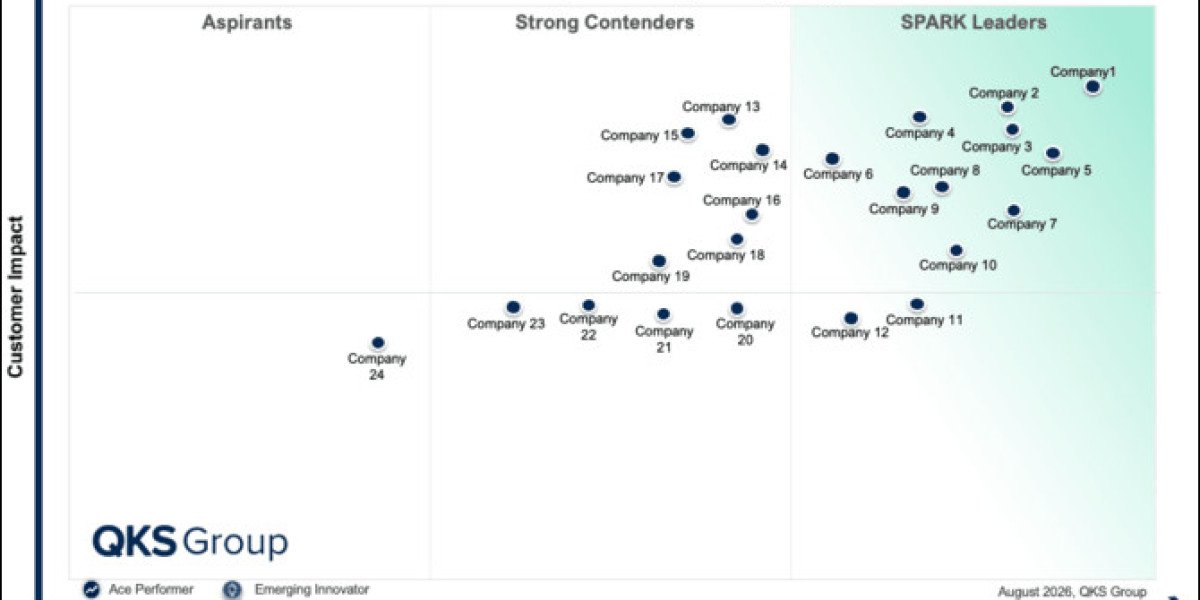
SPARK Matrix™: Competitive Analysis of Leading UEM Vendors
QKS Group’s proprietary SPARK Matrix™ delivers an in-depth evaluation of leading Unified Endpoint Management vendors based on technology excellence, customer impact, market presence, and innovation strategy. The study positions major vendors including Omnissa, HCL Software, Ivanti, Samsung, Quest, Jamf, Raynet, Tanium, Sophos, Syxsense, Hexnode, 42Gears, Scalefusion, Microsoft, IBM, Citrix, SOTI, BlackBerry, Matrix42, OpenText, Codeproof, JumpCloud, ManageEngine, and baramundi.
The SPARK Matrix enables enterprises to compare vendors across multiple parameters, identify best-fit solutions, and make informed technology investment decisions.
According to Associate Director & Principal Analyst at QKS Group, “Unified Endpoint Management is no longer limited to device enrollment, policy enforcement, and application distribution. The market is shifting toward an intelligence-led endpoint operating model, where platforms are expected to unify endpoint visibility, compliance posture, vulnerability context, patch governance, digital employee experience, and security-driven automation.”
She further highlights that the future of UEM will be driven by AI-assisted remediation, real-time endpoint analytics, autonomous policy enforcement, Zero Trust alignment, and deeper integration between IT operations, security, and workplace technologies.
Future Outlook
The future of Unified Endpoint Management lies in intelligent automation, AI-driven operations, security convergence, and employee-centric experiences. Organizations are increasingly evaluating UEM solutions not only for device management capabilities but also for their ability to improve resilience, reduce operational complexity, strengthen governance, and support modern digital workplaces.
As endpoint ecosystems continue to expand, UEM platforms will become foundational technologies for enabling secure, efficient, and adaptive enterprise operations.