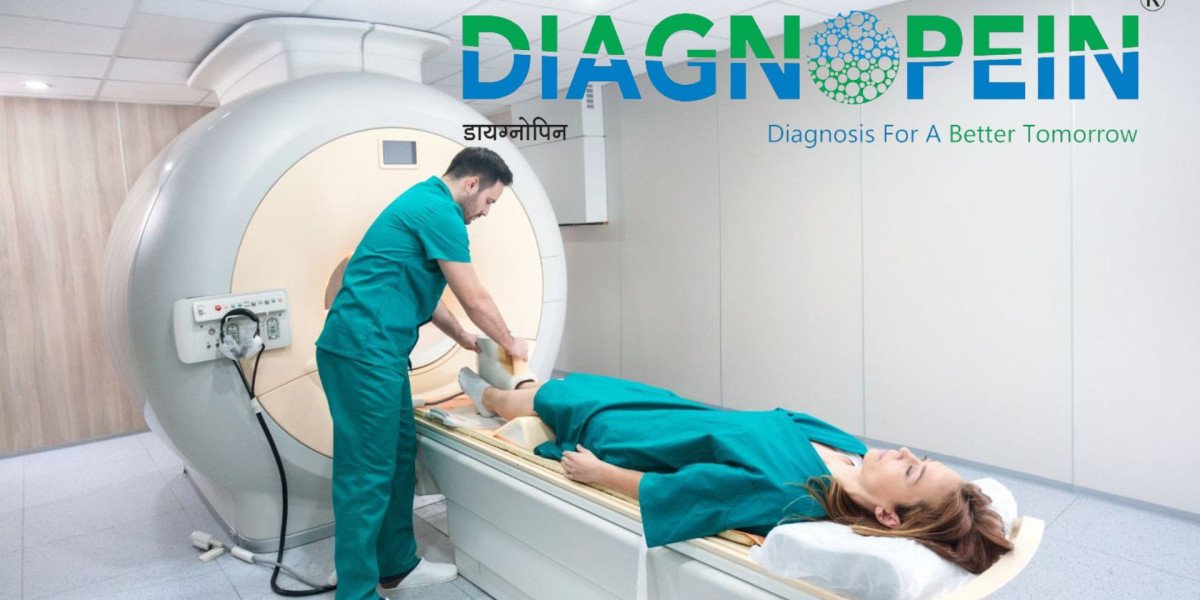

When a doctor recommends an imaging test, choosing the right diagnostic centre can feel confusing. Patients often search for the Best Radiology Scans in Mumbai to understand which scan they need, how the procedure works, how long it takes, and what preparation is required.
Radiology helps doctors look inside the body without surgery. Depending on the health concern, different imaging methods such as MRI, CT scan, X-ray and sonography may be recommended. The right examination depends on the body part being assessed and what the doctor needs to understand.
What Are Radiology Scans?
Radiology scans are medical imaging tests that create pictures of structures inside the body. A radiologist, a doctor trained to interpret medical images, reviews the images and provides an interpretation that can help the treating doctor make healthcare decisions.
Different scans use different technologies:
- MRI: Uses a strong magnetic field and radio waves to create detailed images.
- CT Scan: Uses X-rays and computer processing to create cross-sectional images.
- Digital X-Ray: Uses X-rays to produce images of internal structures, particularly useful for bones and the chest.
- Sonography/Ultrasound: Uses sound waves to create images of organs and other soft tissues.
There is no single scan that is suitable for every condition. Your doctor can recommend the examination most appropriate for your symptoms and clinical needs.
Common Radiology Scans Available in Mumbai
1. MRI Scan
Magnetic Resonance Imaging, commonly called MRI, produces detailed images of organs, tissues and other structures. Unlike X-ray and CT examinations, MRI does not use ionising radiation.
MRI may be recommended for areas such as the:
- Brain
- Spine
- Joints
- Muscles and soft tissues
- Abdomen and pelvis
- Other organs, depending on the clinical requirement
During the examination, you lie on a movable table that enters the MRI scanner. The machine makes loud tapping or thumping sounds, and you are generally provided with earplugs or headphones. Most MRI examinations take around 30–60 minutes, although the duration depends on the type of scan.
Patients should inform the imaging team about implants, metal fragments, pregnancy, allergies and other relevant medical information before an MRI.
2. CT Scan
A CT or Computed Tomography scan uses X-rays and computer processing to create detailed cross-sectional images of the body.
It may be used to examine areas such as the head, chest, abdomen, bones and blood vessels, depending on the doctor's recommendation. CT can provide detailed images when a more comprehensive view than a conventional X-ray is required.
Some CT examinations use contrast material to make particular tissues or blood vessels easier to see. If contrast is planned, the imaging team may ask about allergies, medications or certain medical conditions beforehand.
3. Digital X-Ray
X-rays are among the most commonly used medical imaging examinations. They use a small amount of ionising radiation to create images of internal structures.
Doctors may recommend X-rays to assess:
- Possible bone fractures
- Chest-related concerns
- Certain infections
- Joint or bone problems
- Other areas where an X-ray is clinically appropriate
Most X-ray examinations require little or no preparation and are generally completed quickly. A typical examination may take approximately 15–30 minutes, including positioning and image verification.
Tell your doctor or technologist if you are pregnant or may be pregnant before an X-ray.
4. Sonography or Ultrasound
Sonography, also known as ultrasound, uses sound waves rather than ionising radiation to create images of structures inside the body.
Depending on the examination, ultrasound can be used to assess organs, soft tissues, blood flow and pregnancy-related conditions.
During the procedure, a healthcare professional applies a water-based gel to the skin and moves a small device called a transducer over the area being examined.
Preparation depends on the type of ultrasound. Some examinations may require fasting, while others may require a full bladder. Patients should follow the specific instructions provided by their healthcare provider or diagnostic centre.
How to Prepare for a Radiology Scan
Preparation varies according to the examination. Before your appointment:
- Follow any fasting or water-intake instructions provided.
- Carry your doctor's prescription or referral if required.
- Bring previous scan reports when they may help with comparison.
- Inform the centre about pregnancy or possible pregnancy.
- Tell the imaging team about allergies, implants, metal objects or relevant medical conditions.
- For MRI, follow all instructions regarding metal objects and implanted devices.
Following preparation instructions can help the examination proceed smoothly and produce useful images.
What Affects the Cost of Radiology Scans in Mumbai?
The cost of an imaging examination can vary depending on several factors, including:
- Type of scan
- Body part being examined
- Whether contrast material is required
- Complexity of the examination
- Additional imaging views or specialised protocols
- Diagnostic centre and location
- Reporting and other associated services
It is better to confirm the current examination requirements and charges with the diagnostic centre before booking.
When Should You Consult a Doctor?
Radiology scans should generally be performed when recommended by a qualified healthcare professional or when clinically appropriate. A scan is not necessarily required for every symptom.
Your doctor may recommend imaging when they need more information about an injury, unexplained symptoms, a suspected condition, or to monitor an existing medical problem.
If you have persistent, worsening or concerning symptoms, consult a qualified healthcare professional rather than choosing an imaging test solely based on an online search.
Why Choose Diagnopein?
Diagnopein provides diagnostic services in Mumbai, including MRI scans, CT scans, Digital X-rays and sonography, along with pathology services. Its Mumbai centres include locations such as Parel, Dadar, Andheri and Kopar Khairane.
When selecting a diagnostic centre, patients can consider factors such as convenient location, availability of the required examination, preparation instructions, reporting process and whether the service matches their doctor's recommendation.
Frequently Asked Questions
Is MRI better than a CT scan?
MRI and CT serve different purposes. MRI is particularly useful for detailed imaging of many soft tissues and does not use ionising radiation, while CT uses X-rays and can provide detailed cross-sectional images. Your doctor can determine which examination is appropriate for your medical requirement.
Is an X-ray painful?
A standard X-ray is generally painless. You may need to hold a particular position or remain still for a short period while the images are taken.
Does ultrasound use radiation?
No. Ultrasound uses sound waves rather than ionising radiation.
How long does an MRI scan take?
Many MRI examinations take approximately 30–60 minutes, although the actual time depends on the type of examination and whether additional sequences or contrast are required.
Can I choose a radiology scan myself?
It is better to discuss the appropriate scan with your doctor. Different imaging tests provide different types of information, and the right choice depends on the clinical question.