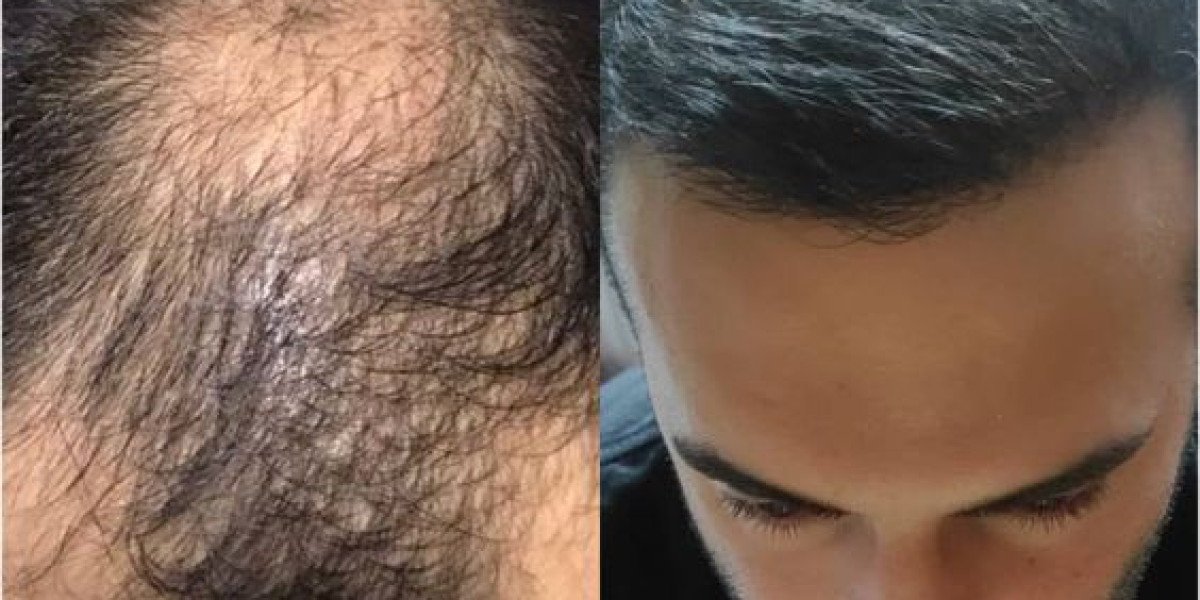

A hair transplant is a gradual restoration process rather than a treatment that produces instant results. While the procedure itself may be completed within a day, the scalp and transplanted follicles need considerable time to heal and begin producing visible new hair. Understanding the recovery timeline can help patients know what to expect at each stage and avoid unnecessary concerns during the healing process.
Every person's recovery can be different. Factors such as the treatment technique, number of grafts, scalp condition, individual healing, and natural hair-growth cycle can influence the timeline. However, there are several common stages that many patients experience.
The First Day After a Hair Transplant
Immediately after a hair transplant, the scalp may appear red or slightly swollen. Small scabs or crusts can also develop around the transplanted follicles. These changes are generally part of the normal healing process.
Patients usually receive detailed aftercare instructions before leaving the clinic. These may include guidance on washing the scalp, sleeping position, physical activity, and protecting the treated area.
It is important to avoid unnecessarily touching, rubbing, or scratching the scalp during this early period. Following professional instructions carefully can help protect newly placed grafts.
Days 2 to 7: Early Healing
During the first week, the scalp continues to recover. Redness and sensitivity may gradually decrease, while small crusts can remain around the grafts.
Some patients may experience mild itching as healing progresses. Although itching can be tempting to relieve by scratching, doing so may irritate the scalp and interfere with proper recovery.
Gentle scalp care is particularly important at this stage. Patients should follow the washing technique recommended by their treatment provider rather than introducing new products without professional advice.
Week 2: Grafts Become More Secure
By around the second week, the transplanted follicles have generally become more established within the treated areas. The scalp may begin to look more settled, although some visible signs of treatment can still remain.
At this point, many people start returning to their normal routines, depending on their individual recovery and professional recommendations.
The appearance of the transplanted hair may still not provide an accurate indication of the final outcome. Hair restoration requires patience because the follicles need to progress through their natural growth cycle.
Weeks 3 to 8: The Shedding Stage
One of the most unexpected stages following a hair transplant is temporary shedding. Transplanted hairs may fall out during this period, which can make it seem as though progress has stopped.
This temporary shedding is often referred to as shock loss of the transplanted hair. The follicle itself can remain in place even when the visible hair shaft falls away.
Patients should not assume that shedding means the treatment has been unsuccessful. The follicles can enter a resting phase before beginning a new growth cycle.
Months 3 to 4: Early New Growth
Around the third or fourth month, some patients may begin noticing small new hairs emerging from the treated areas. At first, these hairs can be fine, light, or uneven.
The early stage of growth is usually subtle. Some areas may appear to develop faster than others, so comparing the two sides of the scalp too closely can create unnecessary concern.
This is a period when patience is especially important. The follicles are gradually becoming active and beginning to produce new hair.
Months 5 to 6: Noticeable Improvement
As the months progress, new hairs may become more visible. The transplanted areas can gradually appear fuller as individual hairs increase in length and thickness.
At this stage, patients may notice a clearer improvement in the hairline or other areas treated during the procedure. However, the result is still developing.
The final appearance depends on factors such as follicle characteristics, donor hair quality, treatment planning, and individual growth patterns.
Months 7 to 9: Increasing Density
Between approximately seven and nine months, many patients experience more noticeable changes in coverage and density. Previously fine hairs can continue to mature, creating a more substantial appearance.
Hair styling may also become easier as the transplanted hair gains length. However, density can continue improving beyond this stage, so patients should not necessarily consider the result final.
Regular follow-up appointments can help a professional evaluate progress and determine whether the recovery is developing as expected.
Months 10 to 12 and Beyond
For many patients, the one-year mark provides a much clearer picture of the outcome. Transplanted hair may have matured significantly, and the treated areas can look more natural and integrated with existing hair.
Some individuals may continue seeing improvements beyond 12 months, particularly in terms of hair thickness and overall maturation.
The final timeline varies, so it is best to evaluate progress according to the treatment plan established by the hair restoration professional.
Tips for Supporting Recovery
Good aftercare is an important part of the hair transplant journey. Patients should follow all instructions provided by their clinic and avoid activities that could unnecessarily irritate the scalp during the early recovery period.
Protecting the scalp from excessive sun exposure, maintaining appropriate hygiene, and avoiding aggressive hair treatments can also be beneficial. Patients should ask their healthcare professional before using medications, supplements, or specialized hair products.
A balanced lifestyle can support general health, but no particular diet or product can guarantee a specific transplant outcome.
When Should You Contact Your Provider?
Although recovery involves several expected changes, patients should contact their treatment provider if they experience unusual or worsening symptoms. Significant pain, increasing swelling, excessive bleeding, signs of infection, or other unexpected changes should be professionally evaluated.
Keeping scheduled follow-up appointments can also provide reassurance and allow the provider to monitor the progress of the transplanted follicles.
Conclusion
A hair transplant recovery timeline involves several stages, including initial healing, temporary shedding, early new growth, and gradual maturation. The process can take many months, and the final result should not be judged during the first few weeks.
Understanding the timeline helps patients approach recovery with realistic expectations. Because healing and hair growth vary between individuals, personalized professional guidance remains essential for achieving and maintaining the best possible outcome.
For more information visit Royal Hair Transplant clinic in islamabad