
Introduction
Effective writing is not merely about putting words on a page; it is about crafting language that engages, persuades, and resonates with readers. Whether you are composing essays, stories, professional reports, or digital content, the way you use language determines the impact of your message. Many writers struggle with clarity, rhythm, or emotional depth, yet the solution often lies in mastering specific tools of expression. By deliberately applying English language techniques, writers can transform ordinary prose into compelling and memorable work. These techniques range from subtle choices in word order to powerful figurative devices, and learning to use them intentionally elevates both the quality and the influence of your writing.
Understanding the Foundations of Strong Writing
Before diving into advanced devices, it is essential to grasp the building blocks of effective English prose. Clear writing begins with precise vocabulary and intentional sentence construction. Choosing the right word is more powerful than using many approximate ones. For instance, instead of writing “the man was very angry", a more vivid choice such as “the man seethed” or “the man erupted” conveys intensity without unnecessary modifiers. This principle of economy—saying more with less—underpins many successful styles.
Sentence length and structure also play a crucial role. A steady stream of medium-length sentences can become monotonous. Mixing short, punchy sentences with longer, more complex ones creates rhythm and emphasis. Short sentences deliver impact: “She refused.” Longer sentences allow for nuance and flow, guiding the reader through connected ideas. Varying structure prevents predictability and keeps attention focused.
Parallelism is another foundational technique. When ideas of equal importance are expressed in similar grammatical forms, the writing gains balance and memorability. Consider the difference between “She likes reading, to swim, and hiking” and “She likes reading, swimming, and hiking.” The second version is smoother and more professional. Parallel constructions appear frequently in persuasive writing and memorable speeches because they create a sense of order and conviction.
Harnessing Figurative Language
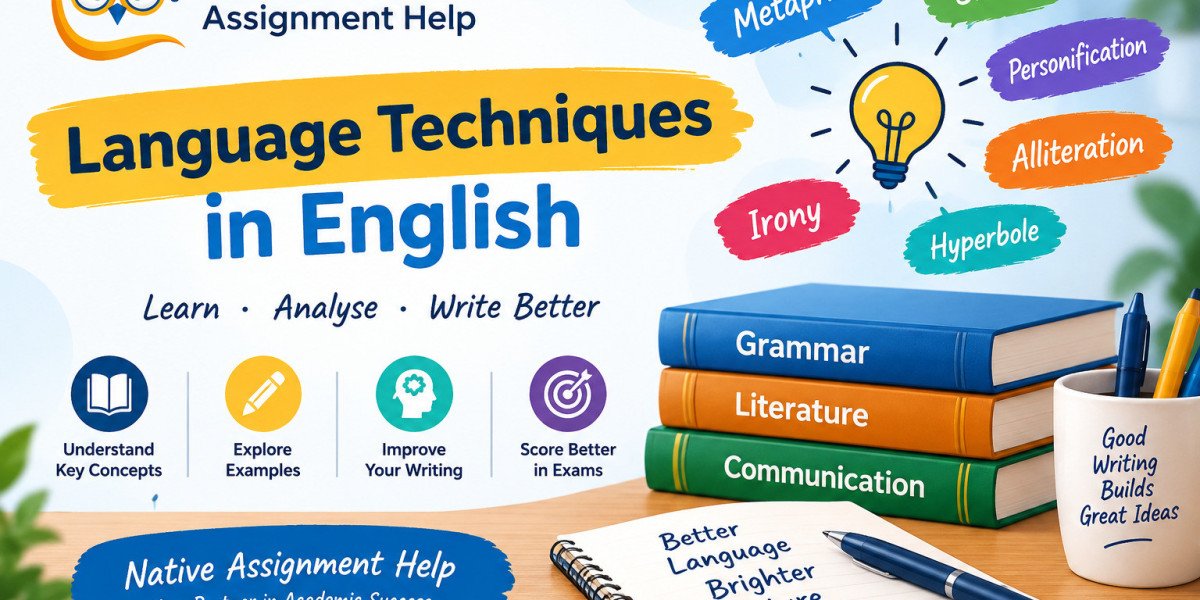
Figurative language breathes life into abstract ideas and sensory detail into flat descriptions. Metaphor and simile are among the most accessible and powerful tools. A metaphor asserts that one thing is another (“Time is a thief”), while a simile makes an explicit comparison using “like” or “as” (“Time is like a thief”). Both create vivid mental images and emotional resonance that literal language often cannot match.
Personification extends this effect by attributing human qualities to non-human things. “The wind whispered through the trees” or “Opportunity knocked” invites readers to relate more personally to the scene or concept. When used sparingly and with purpose, personification can make descriptions memorable without becoming overly ornate.
Hyperbole and understatement offer contrasting approaches to emphasis. Hyperbole exaggerates for effect (“I’ve told you a million times”), while understatement deliberately downplays (“It was a bit windy during the hurricane”). Both can inject humor, irony, or intensity depending on context. The key is appropriateness: overuse of hyperbole risks sounding melodramatic, while skillful understatement can produce dry wit or quiet power.
Imagery, the creation of sensory pictures through carefully chosen words, is closely related. Strong writers appeal not only to sight but also to sound, touch, smell, and taste when relevant. A description that lets readers “hear” the crunch of gravel or “feel” the damp cold of morning air immerses them more deeply than abstract statements ever could.
Mastering Rhetorical and Structural Devices
Beyond figurative language, rhetorical techniques shape how arguments and narratives unfold. Anaphora—the deliberate repetition of a word or phrase at the beginning of successive clauses—builds momentum and emphasis. Classic examples appear in speeches and poetry, but the technique works equally well in essays and articles when a writer wants to drive a point home.
Alliteration and assonance add musical quality. Alliteration repeats initial consonant sounds (“silent, soft snowfall”), while assonance repeats vowel sounds. These devices enhance rhythm and can make phrases more memorable, though they should serve the content rather than distract from it.
Rhetorical questions engage readers by prompting them to think rather than simply receive information. A well-placed question such as “What would happen if we ignored this evidence?” invites reflection and can strengthen persuasion. Similarly, antithesis places contrasting ideas in parallel structures (“It was the best of times, it was the worst of times”), highlighting tension and creating lasting impact.
Transitions and cohesive devices ensure that ideas flow logically. Words and phrases such as “however,” “in contrast,” “as a result,” and “building on this point” guide readers through complex arguments. Effective transitions prevent abrupt jumps and help maintain clarity even when discussing sophisticated concepts.
Refining Voice, Tone, and Audience Awareness
Technique is never applied in a vacuum; it must serve the purpose and audience of the piece. Formal academic writing favors precision, measured tone, and restrained figurative language. Creative writing often embraces more vivid imagery, varied sentence rhythms, and experimental structures. Professional communication typically prioritizes clarity and directness while still benefiting from careful word choice and occasional rhetorical emphasis.
Voice—the distinctive personality that emerges through word choice, rhythm, and attitude—develops through consistent practice and conscious decisions. Reading widely exposes writers to different voices and techniques. Analyzing how accomplished authors achieve effects provides models that can be adapted rather than merely imitated.
Tone must remain consistent with the intended effect. A sudden shift from serious analysis to casual slang can undermine credibility unless it is deliberately ironic. Matching diction, sentence complexity, and figurative density to the audience’s expectations and knowledge level is a subtle but essential skill.
Practical Strategies for Incorporating Techniques
Knowledge of techniques is useful only when applied deliberately. One effective practice is revision-focused writing. Compose a first draft with attention mainly to content and logic. During revision, examine individual sentences for opportunities to strengthen imagery, vary structure, or introduce parallelism. Ask specific questions: Can this abstract idea be made concrete with a metaphor? Does this paragraph suffer from repetitive sentence length? Would a short sentence here create stronger emphasis?
Another productive method is targeted exercises. Write a paragraph describing a familiar scene using only literal language, then rewrite it incorporating metaphor, sensory detail, and varied sentence lengths. Compare the two versions to observe the difference in impact. Similarly, take a bland statement and transform it through rhetorical devices to practice persuasion or emphasis.
Reading aloud is invaluable. Many weaknesses in rhythm, awkward phrasing, or excessive complexity become obvious when spoken. The ear often detects what the eye overlooks. Recording and listening to one’s own prose can further highlight areas for improvement.
Keeping a technique journal can accelerate growth. When encountering an effective passage in reading, note the devices used and experiment with adapting them to your own topics. Over time, these observations expand the repertoire of tools available during drafting and revision.
Avoiding Common Pitfalls
Even skilled writers can misuse techniques. Overloading a text with metaphors, alliteration, or rhetorical questions can make writing feel forced or pretentious. Subtlety often proves more effective than density. Techniques should illuminate meaning rather than draw attention to themselves.
Clichés represent another danger. Once-fresh metaphors that have become tired (“as busy as a bee,” “think outside the box”) weaken rather than strengthen prose. Prefer original comparisons grounded in the specific subject matter.
Inconsistency of style can also undermine results. Mixing highly formal diction with colloquialisms without clear purpose creates tonal confusion. Maintaining a coherent register appropriate to the genre and audience is more important than showcasing every available device.
Conclusion
Improving writing through English language techniques is a matter of deliberate practice rather than innate talent. By understanding foundational principles of word choice and sentence variety, employing figurative language with purpose, applying rhetorical devices strategically, and remaining attentive to voice, tone, and audience, writers gain greater control over the effects they produce. The most successful practitioners treat these techniques as tools rather than ornaments—selecting and refining them to serve clarity, engagement, and persuasion. Consistent reading, careful revision, and targeted experimentation gradually make sophisticated choices feel natural. In the end, mastery of these techniques does not merely polish surface style; it expands the capacity to communicate complex ideas with precision, beauty, and lasting impact.











