
Managing one retail store can be challenging, but managing several stores can quickly become overwhelming. Every branch has its own customers, sales, employees, products, payments, and stock movements. If each location keeps separate records, it becomes difficult for the owner or manager to understand what is happening across the entire business.
This is where Billing software for chain stores can make a real difference. Instead of treating every outlet as a completely separate business, a connected billing system can help bring important store operations together. Sales can be recorded digitally, inventory can be monitored, payments can be tracked, and reports can be reviewed from a central system.
For example, imagine you own five clothing stores. One branch is selling products very quickly while another has excess stock. Without connected information, you may discover the problem only after several days. With a centralized system, store performance and inventory information can be easier to review.
The purpose of Billing software for chain stores is not simply to print bills. It is to create a more organized way of managing multiple retail locations while reducing repetitive work and improving visibility.
Billing Software for Small Business: From One Outlet to Multiple Locations
Many retail chains start with a single small shop. At that stage, a notebook or spreadsheet may seem enough. As sales increase and new branches are opened, however, manual methods can become difficult to maintain.
This is why Billing Software for Small Business can be useful even before a business becomes a large chain. When your billing, stock, and payment information is recorded consistently from the beginning, it becomes easier to maintain organized records as the business grows.
A growing retailer may face questions such as: Which store sold the most today? Which products are running low? How much money was collected at each branch? Which invoices are still unpaid? Which items are moving slowly?
Good billing software can help answer these questions without forcing the owner to collect information manually from every location.
A practical expansion process can include:
- Start by creating a central product database.
- Add individual branches or outlets to the system.
- Assign products and inventory to the correct locations.
- Give employees appropriate access based on their roles.
- Record sales through the same billing workflow.
- Monitor payments and stock movements.
- Review branch-wise reports regularly.
- Use the information to make better purchasing and stocking decisions.
This approach can help a small retailer build stronger processes before the business becomes more complicated.
Billing software for retail: One Connected System for Every Store
When several outlets operate independently, information can become scattered. One store may use one spreadsheet while another uses handwritten records. This creates confusion when management wants to compare sales or understand inventory.
Billing software for retail can help standardize the billing process across locations. Employees at different branches can follow similar procedures for product selection, invoicing, payment recording, and stock updates.
Consider a customer buying three products from a busy store. The employee can search for the items or scan their barcodes, confirm quantities, apply the appropriate tax or discount, and complete the payment. The transaction is then recorded digitally.
For chain owners, the value goes beyond the individual transaction. Thousands of transactions can create useful business information over time.
A connected retail system can support areas such as:
- Branch-wise sales monitoring.
- Centralized product management.
- Inventory visibility across locations.
- Barcode-based checkout.
- Payment tracking.
- Customer records.
- GST-ready invoicing.
- Sales and business reports.
The exact features available depend on the software selected, so we should always check the actual workflow before making a decision.
Best Pos Billing Retail Software: Features That Support Busy Chain Stores
Finding the Best Pos Billing Retail Software is not about selecting the system with the biggest list of features. The better choice is the one that solves your actual store-management problems and remains easy for employees to use.
A POS system sits at the center of many retail transactions. If it is slow or confusing, customers may wait longer at the counter. If product information is incorrect, employees may make billing mistakes. If stock is not updated properly, management may make poor purchasing decisions.
For this reason, we should evaluate a POS system from the perspective of a real working day.
Before choosing software, test a complete transaction. Add a product, scan it, change the quantity, apply a discount if needed, select a payment method, generate the invoice, and then check whether the inventory and sales records have changed correctly.
Important capabilities may include:
- Fast product search.
- Barcode scanning.
- Multiple payment methods.
- Thermal receipt printing.
- GST invoice support.
- Real-time inventory updates.
- Branch-level reporting.
- Customer information management.
- Centralized business reporting.
A useful POS solution should also be comfortable for employees. If your staff can learn the process quickly, implementation becomes much easier across multiple branches.
Billing Software For Retail Shop: Managing Inventory Across Branches
Inventory is one of the biggest challenges in chain-store management. A product may be available in one branch but completely sold out in another. If stock information is not updated properly, you might order products unnecessarily while another store loses sales because popular items are unavailable.
A strong Billing Software For Retail Shop solution can connect sales activity with inventory records. When an item is sold, the stock quantity can be adjusted according to the system's workflow. This gives managers a clearer picture of product availability.
For example, imagine a shoe retailer with four outlets. A particular size becomes popular at Store A, but Store B has several units sitting unsold. Reviewing inventory information can help management identify this difference and make better redistribution or purchasing decisions.
For better control, we can follow a simple process:
- Create accurate product records.
- Add product quantities for each branch.
- Use barcode scanning where appropriate.
- Update stock whenever purchases or sales occur.
- Review low-stock products regularly.
- Compare fast-moving and slow-moving products.
- Transfer or reorder inventory based on actual demand.
This reduces guesswork and can help prevent both overstocking and stock shortages.
How Billing Software for Chain Stores Improves Business Reporting
When you operate multiple outlets, reports become extremely important. Looking only at total sales may hide problems inside individual branches. One location may be performing exceptionally well while another is losing money or carrying too much inventory.
Billing software for chain stores can provide a structured way to review business information. Depending on the system, managers may be able to examine sales, purchases, payments, inventory, customer activity, and other operational information.
This helps turn daily transactions into useful business knowledge.
For example, if a store owner notices that one branch consistently sells more products on weekends, staffing and inventory can be planned accordingly. If another branch has slow-moving products, management can investigate pricing, product selection, or local customer demand.
Reports should not simply be collected and forgotten. We should use them to ask practical questions:
- What products are selling fastest?
- Which branch is generating the most sales?
- Where is inventory moving slowly?
- Are customer payments being collected on time?
- Which products need replenishment?
- Are sales improving month after month?
This is where billing software becomes a management tool rather than only an invoicing tool.
Why BillMantra Can Help Simplify Multi-Store Billing
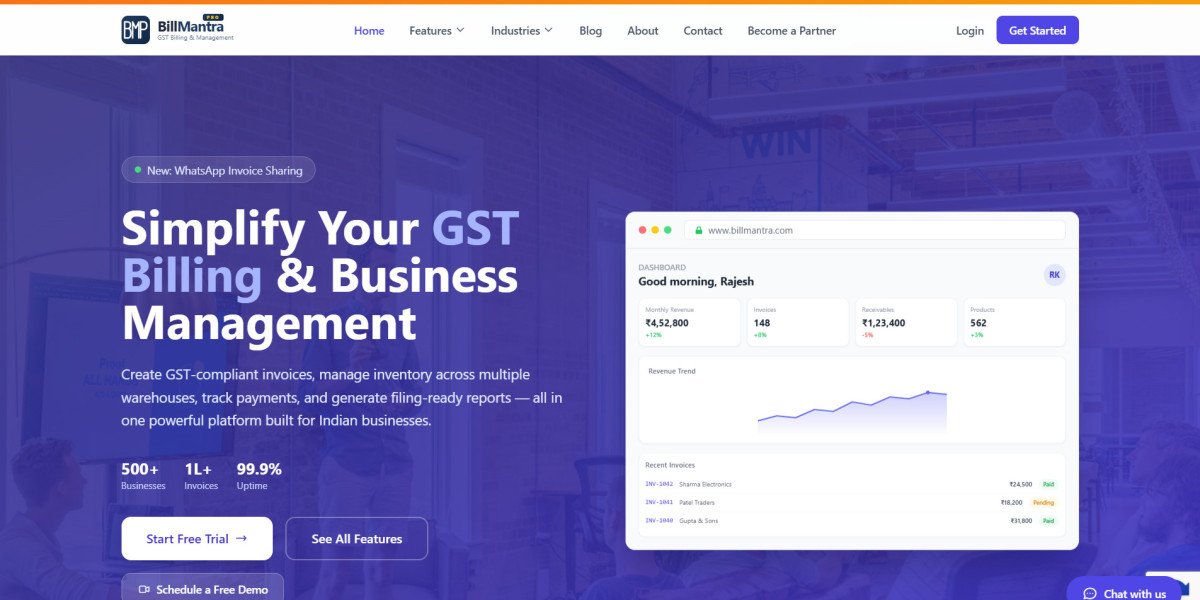
For retailers searching for a centralized solution, BillMantra is one option worth evaluating for chain-store operations. Its retail-focused capabilities include billing, POS, inventory, barcode support, GST-related functionality, payment tracking, and reporting.
For a growing business, the important point is not simply having many features. The software should fit the way your branches actually work. We recommend testing common tasks such as creating invoices, checking stock, recording payments, and reviewing reports before making a final decision.
A system such as BillMantra can be considered when a retailer wants to bring several operational activities into a more connected workflow. The final choice should always depend on store size, number of branches, product complexity, employee requirements, and business processes.
Conclusion: Build Smarter Retail Chains With Connected Billing
Managing several stores becomes easier when information is organized and accessible. Instead of asking employees to send separate sales summaries or manually compare stock sheets, a connected system can provide a more consistent process.
The right Billing software for chain stores can support faster checkout, centralized inventory management, payment tracking, GST invoicing, and business reporting. It can also help owners understand what is happening across different locations.
Whether you are operating two outlets or planning a much larger expansion, the goal should be the same: reduce unnecessary manual work and make important business information easier to understand.
Before choosing software, identify your biggest challenges, test the real billing workflow, check branch-management features, and make sure your employees can use the system comfortably. A practical and scalable system can become an important part of long-term retail growth.
Frequently Asked Questions About Chain Store Billing Software
1. What is billing software for chain stores?
Billing software for chain stores is a digital system designed to help businesses manage sales and billing across multiple retail outlets. Depending on the platform, it can also support inventory, payments, GST invoices, barcode scanning, customer information, and branch-wise reports.
2. Can small retailers use chain-store billing software?
Yes. Billing Software for Small Business can be useful for retailers that plan to expand. Starting with organized digital processes can make it easier to add branches and maintain consistent records as the business grows.
3. Why is inventory management important for retail chains?
Inventory management helps retailers understand how much stock is available at each location. It can help identify low-stock products, slow-moving items, and differences in customer demand between branches.
4. What should I look for in the Best Pos Billing Retail Software?
Look for fast billing, barcode scanning, inventory management, payment options, GST support, reporting, branch management, ease of use, data security, and reliable support. Most importantly, test the software using your real store workflow.
5. Can retail billing software manage multiple branches?
Many modern systems are designed to support multiple locations. Depending on the software, managers may be able to maintain branch-wise sales, inventory, payments, and reports from a centralized platform.