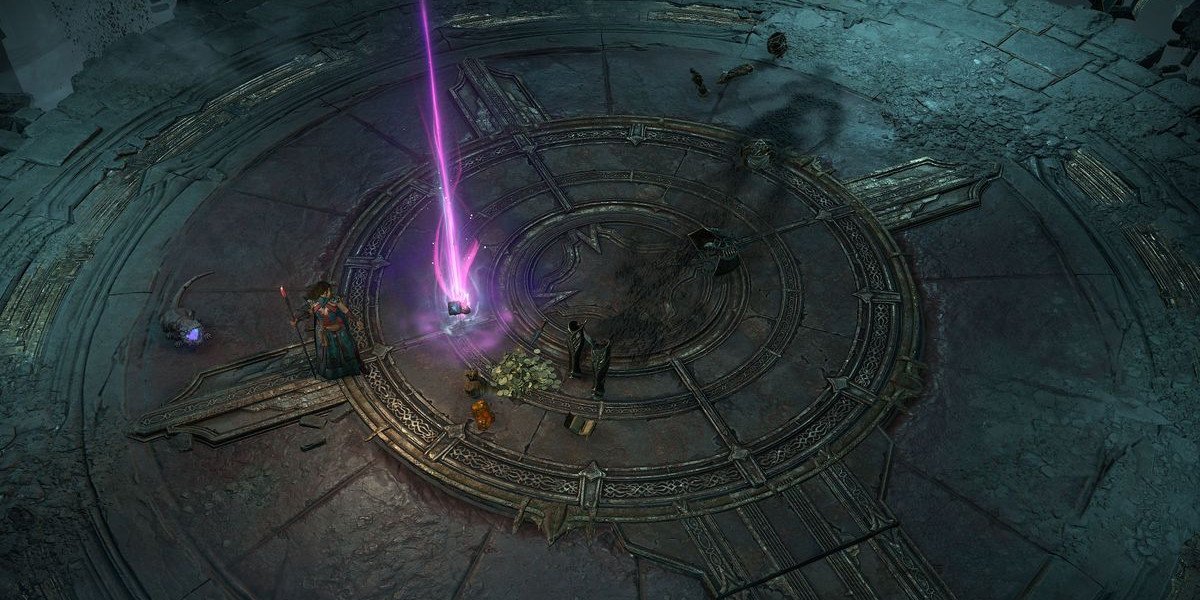

Diablo 4's Horadric Cube has made late-game gear planning much more deliberate. Its Transfigure Item recipe can add a strong, unpredictable effect to a Legendary, Unique, or Mythic Unique item, but the price is more than Volatile Primordial Dust. In most cases, the item becomes unmodifiable after one attempt. That makes every promising drop worth treating carefully, especially when you are building a stockpile of D4 items for future upgrades. A second successful transfiguration is possible, though the odds are small enough that preparation matters as much as luck.
Know What the First Roll Can Do
A transfigured item usually ends up in one of two states. Indestructible is the friendly result. It stops durability loss after death and still allows more work. Unmodifiable is the serious outcome. Once it appears, you cannot Temper, Enchant, Masterwork, or transfigure that item again. Sockets can still accept different gems or runes, but the main crafting path is closed. Only around four or five percent of standard attempts leave an item open for another roll, depending on the item type. So do not spend rare materials casually.
Choose Your Route Before Spending Gold
If the item is already close to perfect and you plan to wear it, finish the ordinary work after a successful first roll. Add sockets with the Jeweler, set Tempering bonuses, use the Occultist for the last needed stat, imprint the right Aspect, and then Masterwork the piece. A later transfiguration may close the item, but at least it will close after the important upgrades are finished.
Use spare bases for early transfiguration tests.
Invest in Masterworking only after a useful roll stays open.
Keep one enchanting slot available until the key stat is protected.
Amulets Need a Different Plan
Amulets are unusually valuable because a Kullean Tuning Prism adds another Legendary Aspect while keeping the item modifiable. Roll that bonus first, and use more prisms if the result does not suit your build. After that, finish Tempering, Enchanting, socket work, and Masterworking. Only then try a normal transfiguration without a prism. Doing it in the opposite order can close the amulet and remove your chance to use the prism.
Protect the Stats That Matter
The Entropic Tuning Prism is useful when you want a safer, stronger result, but it always makes the item unmodifiable. It is therefore a poor choice for anyone chasing several transfigurations. You can also mark a vital affix through Enchanting by keeping the original stat after the change. Enchanted, Tempered, and Greater Affixes are generally protected from replacement. This costs your one Enchanting opportunity, so reserve it for a stat your build truly depends on. With spare bases, patient testing, and a clear order of operations, even cheap diablo 4 gear can become a sensible starting point for serious crafting.

Popular Posts
-
 See What Fireplace Deals Tricks The Celebs Are Making Use Of
-
 القوة الخفية للمكونات الطبيعية في العناية بالبشرة: دراسة علمية لأهم المستخلصات الطبيعية
-
 Anavar Results After 2 Weeks: What You Want To Anticipate
-
 Transforming Businesses Through Award-Winning Business and Technology Consulting
-
dragon money





