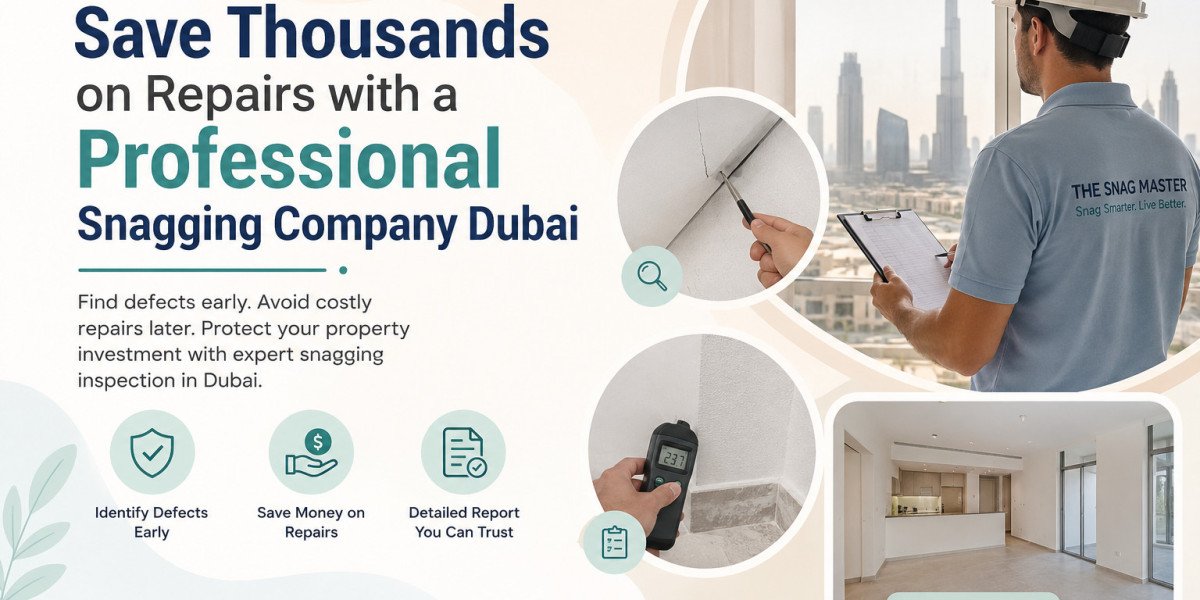

This is where a professional property inspection Dubai service can make a difference. A detailed inspection helps uncover construction defects, poor workmanship, water-related issues, electrical problems, and other concerns before they turn into expensive repairs.
Why Hidden Property Problems Matter
A property can have attractive interiors, modern fixtures, and high-quality finishes while still having underlying issues. Small defects may become more serious when they are ignored.
For example, a minor water leak can eventually damage flooring, cabinets, walls, or ceilings. Similarly, poorly sealed windows can contribute to water penetration, drafts, or reduced energy efficiency.
Identifying such problems early gives property owners an opportunity to address them before they become more complicated and costly.
1. Water Leaks and Moisture Problems
Water-related defects are among the most important issues an inspection can identify.
An inspector may look for visible signs such as:
Water stains on ceilings or walls
Damp patches
Peeling paint
Damaged sealant
Leaking taps or pipes
Poor drainage
Moisture around bathrooms and kitchens
Water accumulation on balconies
Not every leak is immediately visible. A professional inspection can help identify warning signs that may indicate a plumbing or waterproofing problem.
2. Cracks in Walls and Ceilings
Small cracks are common in many buildings, but their location, size, and appearance can provide important information.
During an inspection, professionals may document:
Cracks around doors and windows
Ceiling cracks
Wall cracks
Cracked plaster
Separation between materials
Cracked tiles
Not every crack indicates a serious structural problem. However, documenting unusual or significant cracking allows the appropriate specialist to investigate further when necessary.
3. Poor Waterproofing
Bathrooms, balconies, terraces, kitchens, and other wet areas require effective waterproofing.
Poor waterproofing may result in moisture penetration and damage to surrounding surfaces. Signs can include discoloured walls, damaged grout, loose tiles, or damp areas.
A detailed property inspection Dubai can identify visible indicators of waterproofing problems and recommend further investigation where required.
4. Electrical Defects
Electrical problems can be difficult for property buyers to identify during a normal viewing.
An inspection may identify visible or functional issues involving:
Light switches
Power sockets
Lighting fixtures
Electrical panels
Loose fittings
Damaged outlets
Non-functioning electrical components
Where specialist electrical testing is required, a qualified electrician should conduct the appropriate testing and repairs.
5. Plumbing Problems
Plumbing defects can remain hidden behind walls, cabinets, or fixtures until they become serious.
During an inspection, accessible plumbing fixtures may be checked for issues such as:
Leaking faucets
Slow drainage
Poor water flow
Damaged pipes
Loose connections
Toilet leaks
Drainage problems
Finding these issues before handover or purchase can save property owners from unexpected maintenance expenses.
6. Air Conditioning Issues
Air conditioning is essential in Dubai, making HVAC performance an important consideration for property owners.
A property inspection can identify obvious issues with accessible components, including:
Poor airflow
Unusual noises
Water leakage
Damaged vents
Incorrectly fitted grilles
Problems with controls
A specialist HVAC assessment may be necessary if the inspection identifies signs of a more technical problem.
7. Defective Doors and Windows
Doors and windows may look fine but still have functional or installation problems.
An inspector may check whether they:
Open and close properly
Lock correctly
Have damaged frames
Have gaps around the edges
Are properly aligned
Have damaged or scratched glass
Have adequate sealing
Poor sealing can become particularly noticeable during extreme weather conditions.
8. Uneven Floors and Damaged Tiles
Flooring defects can affect both appearance and usability.
Common problems include:
Uneven flooring
Hollow-sounding tiles
Cracked tiles
Chipped edges
Poor grouting
Uneven transitions
Damaged flooring surfaces
These defects are often easier to correct when they are identified before the property is fully occupied.
9. Poor Paint and Finishing Work
Finishing defects are among the most common problems discovered during property inspections.
An inspector may identify:
Uneven paint
Paint marks
Poor wall finishing
Visible patchwork
Gaps around fixtures
Incomplete silicone work
Scratches and dents
Poorly finished corners
While these may not affect the property's structure, they can indicate incomplete or poor-quality workmanship.
10. Kitchen and Bathroom Defects
Kitchens and bathrooms contain numerous fixtures, fittings, plumbing connections, and finishes, making them important inspection areas.
Potential issues include:
Misaligned cabinets
Damaged countertops
Loose handles
Leaking taps
Poor silicone application
Damaged bathroom fixtures
Blocked or slow drains
Cracked tiles
Incomplete installation
Checking these areas carefully can help ensure that the property is delivered in the expected condition.
11. Balcony and Terrace Problems
Outdoor areas can also contain defects that are easy to overlook.
Inspectors may examine accessible balconies and terraces for:
Damaged tiles
Poor drainage
Cracks
Loose railings or fittings
Water accumulation
Damaged surfaces
Poor finishing
Effective drainage is especially important because standing water can contribute to surface deterioration and water penetration.
12. Poorly Installed Fixtures
Fixtures such as lights, taps, handles, shelves, mirrors, and other fittings may not always be installed correctly.
A professional inspection can identify loose, damaged, misaligned, or poorly finished fixtures so that they can be corrected.
13. Incomplete Work
One of the biggest advantages of a professional inspection is identifying work that has not been completed properly.
Examples include:
Missing fixtures
Incomplete painting
Unfinished flooring
Missing sealant
Uninstalled accessories
Damaged fittings
Incomplete carpentry
This is particularly important during new-property handover.
Why Professional Inspection Is Better Than a Quick Property Viewing
A standard property viewing usually focuses on appearance, layout, location, and general condition. A professional inspection follows a much more systematic process.
An experienced inspector checks multiple areas and documents defects in a structured report. This makes it easier for the buyer or owner to understand what needs attention.
Professional inspection can be particularly valuable for first-time buyers who may not know what construction or finishing defects to look for.
When Should You Arrange a Property Inspection?
The ideal timing depends on your situation, but inspections are commonly useful:
Before accepting a new-property handover
Before purchasing a resale property
Before moving into a property
After major renovation work
Before selling a property
When recurring defects or maintenance issues appear
For newly constructed properties, an inspection before handover can give buyers an opportunity to document defects and request appropriate corrections.
Choose a Professional Property Inspection Service
A property inspection is more than simply walking through a home and looking for visible problems. It is a structured assessment designed to identify defects, functional issues, and signs of poor workmanship.
For Dubai property buyers, a professional property inspection Dubai service can help uncover issues that may otherwise remain unnoticed. From water leaks and electrical defects to damaged tiles, poor finishing, and incomplete work, identifying problems early can help protect your investment.
Conclusion
A property can look flawless at first glance while hiding several defects. Water leaks, electrical issues, poor waterproofing, damaged flooring, HVAC concerns, plumbing problems, and incomplete finishing are just some of the issues a professional inspection may reveal.
Before making a major property decision in Dubai, taking the time to inspect the property carefully can provide greater confidence and help prevent unexpected repair costs. A thorough inspection gives you a clearer picture of the property's condition and helps ensure that problems are identified before they become bigger concerns.











