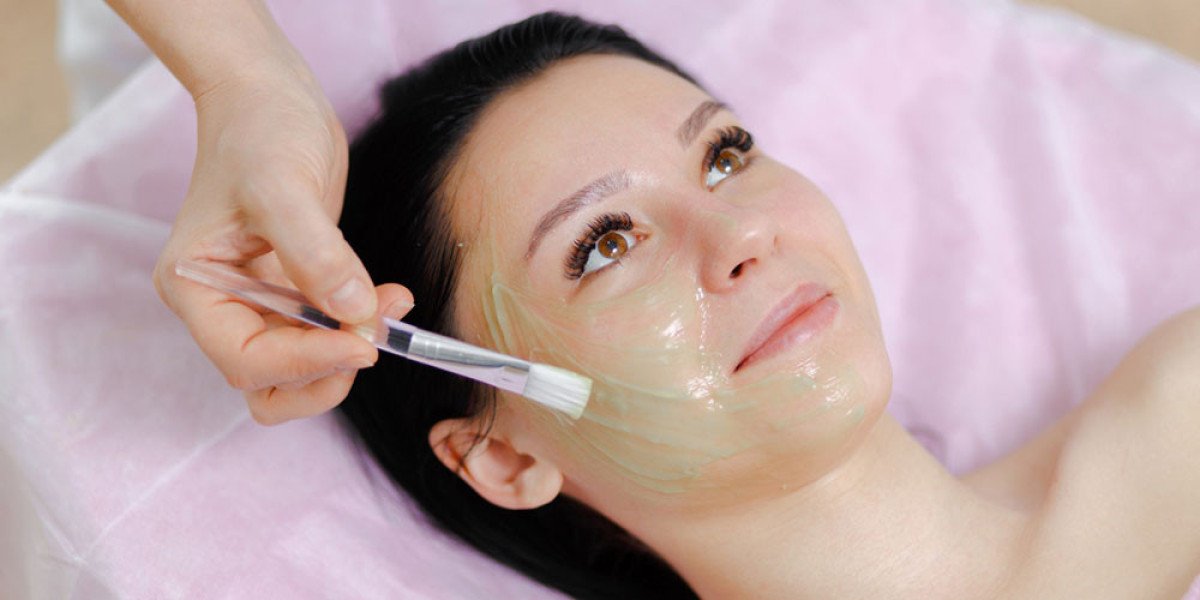

A chemical peel is a professional skin treatment designed to improve the appearance and texture of the skin. At Sculpt Wellness, chemical peel treatments can be tailored to individual skin concerns and treatment goals.
For patients considering a chemical peel in Croydon, understanding the treatment process, potential benefits, preparation, and aftercare can help you make a more informed decision.
What Is a Chemical Peel?
A chemical peel involves carefully applying a specially formulated solution to the skin to support controlled exfoliation and skin renewal. Depending on the type and strength of the peel, it can work at different depths within the skin.
The treatment encourages the shedding of damaged surface cells and supports the natural renewal process. Once the treated skin has recovered, the complexion may appear smoother, brighter, and more even.
Chemical peels can be performed on the face and, depending on the treatment, other areas such as the neck, chest, or hands.
What Skin Concerns Can Chemical Peels Address?
Chemical peels can be selected according to individual skin concerns and treatment goals. They may help improve the appearance of:
- Dull or tired-looking skin
- Uneven skin tone
- Rough skin texture
- Mild pigmentation and dark spots
- Certain types of acne
- Post-acne marks
- Fine lines
- Sun-related skin changes
The results and suitability of treatment vary from person to person. A professional skin assessment is important before choosing a particular peel.
How Does a Chemical Peel Work?
During a treatment, the skin is cleansed before the chosen peel solution is carefully applied. The practitioner controls the application according to the treatment plan and the condition of the skin.
You may experience mild warmth, tingling, or a sensation of tightness during treatment. The exact experience depends on the type and strength of the peel.
After the appropriate amount of time, the solution is removed or neutralised according to the product being used. Your practitioner will then provide specific aftercare instructions.
Different Types of Chemical Peels
Chemical peels are generally categorised according to how deeply they work within the skin.
Superficial Chemical Peels
Superficial peels target the outermost layer of the skin. They are often chosen for concerns such as dullness, uneven texture, and mild pigmentation.
They typically involve less downtime than deeper treatments, although some temporary redness or peeling may occur.
Medium-Depth Chemical Peels
Medium-depth peels work more deeply and may be considered for more noticeable pigmentation, texture concerns, and signs of ageing.
Because they have a stronger effect on the skin, recovery can be longer. A qualified practitioner should determine whether this type of treatment is appropriate.
Deeper Chemical Peels
Deep chemical peels are stronger treatments that reach deeper layers of the skin. They require careful professional assessment and more significant recovery.
Not every patient needs a deeper peel. In many cases, a less intensive treatment may be more appropriate for the desired outcome.
What Are the Benefits of a Chemical Peel?
One of the main reasons people choose chemical peels is their ability to refresh the appearance of the skin.
Potential benefits can include a smoother-looking complexion, improved skin brightness, more even-looking tone, and refined skin texture.
Some people may also notice improvements in the appearance of fine lines, blemishes, or pigmentation following an appropriate treatment plan.
However, chemical peels are not suitable for everyone, as the treatment should be tailored to individual skin types and concerns. The results depend on factors such as your skin type, concerns, chosen peel, lifestyle, and aftercare.
What Happens After a Chemical Peel?
Your skin may look slightly red or feel sensitive immediately following treatment. Depending on the type of peel, you may experience dryness, flaking, or visible peeling during the recovery period.
It is important not to pick or pull peeling skin. Allowing the skin to shed naturally can help reduce unnecessary irritation.
Your practitioner will explain what to expect after your specific treatment and provide appropriate aftercare guidance.
Chemical Peel Aftercare Tips
Following your practitioner's aftercare instructions is an important part of the treatment process.
Common recommendations may include:
- Keep the skin gently cleansed.
- Use recommended moisturising products.
- Protect your skin from direct sun exposure.
- Apply a suitable broad-spectrum sunscreen.
- Avoid picking or peeling the skin.
- Avoid harsh exfoliating products until advised.
- Follow your practitioner's instructions about skincare products and activities.
Because every peel is different, aftercare should always be tailored to the treatment you receive.
Is a Chemical Peel Suitable for Everyone?
Chemical peels are not suitable for every person or every skin concern. A professional consultation can help assess your skin and determine whether a chemical peel is suitable for your individual needs.
Your practitioner may ask about your skincare routine, previous treatments, medications, allergies, skin sensitivity, and current skin concerns.
If you have active skin irritation, certain skin conditions, or other factors that could affect healing, your practitioner may recommend postponing treatment or choosing another option.
How to Choose a Chemical Peel in Croydon
When looking for a chemical peel in Croydon, consider the experience and qualifications of the practitioner, the consultation process, treatment options, hygiene standards, and the quality of aftercare provided.
Avoid choosing a treatment based solely on price. A professional assessment is important because the strongest peel is not necessarily the best peel for your skin.
A suitable treatment should be selected according to your individual skin condition and desired results.
Why Choose Sculpt Wellness for a Chemical Peel in Croydon?
At Sculpt Wellness, every chemical peel treatment should begin with an understanding of your individual skin concerns and goals. A professional consultation can help determine which treatment approach may be suitable for your skin.
The team can discuss your concerns, explain the treatment process, provide appropriate preparation guidance, and advise you about aftercare. This personalised approach helps ensure that your skincare treatment is selected according to your individual needs.
If you are considering a chemical peel in Croydon, Sculpt Wellness can help you understand your treatment options and what to expect from the process.
Final Thoughts
A chemical peel can be a useful professional treatment for improving the appearance of dullness, uneven texture, pigmentation, and other common skin concerns.
If you are considering a chemical peel in Croydon, Sculpt Wellness can help you explore suitable treatment options through a professional consultation. The right approach should always be based on your individual skin needs, concerns, and treatment goals.
With appropriate professional guidance and aftercare, a chemical peel can form part of a personalised skincare routine focused on smoother, brighter, and healthier-looking skin.