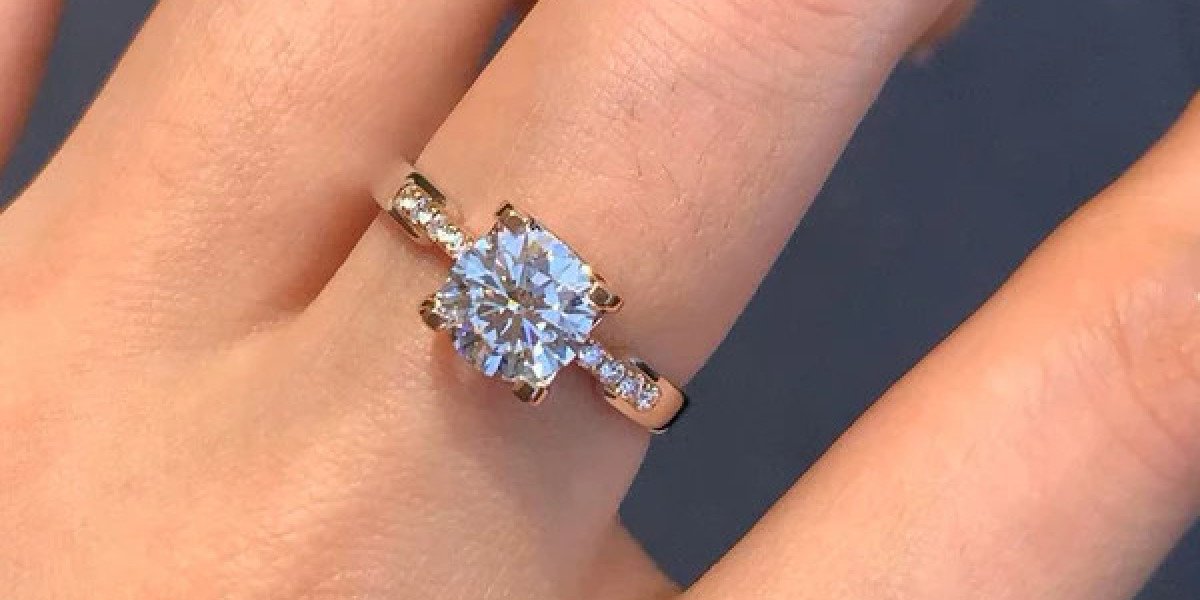

Diamond rings have long been associated with important milestones, but contemporary jewelry offers far more choices than the traditional single-metal setting. Today's designs increasingly focus on individuality, versatility, and thoughtful combinations of materials. Two-tone rings are a strong example of this shift, bringing together two metal colors to create a look that feels both familiar and distinctive.
The appeal begins with contrast. Instead of using one metal shade throughout the ring, a two-tone design can combine cooler and warmer colors in carefully balanced proportions. A white-toned metal may provide a clean backdrop for the diamond, while a yellow or warmer tone can add depth to the band. This creates visual separation between different parts of the ring without requiring elaborate decoration.
The approach works particularly well with lab created diamonds because the stone remains the central point of attention while the mixed-metal structure adds character around it. Lab created diamonds are produced in controlled environments and have the same basic chemical composition and crystal structure as diamonds formed naturally underground.
They can be offered in a variety of cuts, sizes, and qualities, giving designers considerable freedom when developing different ring styles. For shoppers who want something beyond a conventional engagement ring, the combination offers an interesting balance. It can look contemporary without appearing overly experimental, making it suitable for people with different tastes.
What Makes Two-Tone Designs So Versatile?
Versatility is one of the strongest reasons to consider a mixed-metal ring. Jewelry collections often contain pieces in different metal colors, and a ring made entirely from one tone may coordinate naturally with some pieces but less easily with others.
A two-tone design solves part of this challenge by incorporating multiple shades into one piece. A ring combining white and yellow tones, for example, can sit comfortably beside earrings, bracelets, watches, or necklaces made from either color. This makes it easier to build a coordinated appearance without requiring every accessory to match perfectly.
The visual effect can also vary considerably depending on how the metals are used. Some designs place one color primarily along the band while using another around the center setting. Others divide the two tones more evenly or introduce one metal as a narrow accent. These variations allow shoppers to select a design based on how noticeable they want the contrast to be.
Metal placement can even influence the perceived shape of the ring. Vertical or curved accents may emphasize the center stone, while contrasting shoulders can give a simple band greater definition. Small details can therefore have a substantial effect on the finished appearance.
For those interested in comparing styles, explore design of lab created diamond two tone rings to see how different combinations of stone shapes, settings, band structures, and metal colors can produce completely different looks.
Diamond Shape, Setting, and Quality Matter
While the metal combination attracts attention, the diamond remains an important part of the ring's overall character. The shape of the stone can dramatically influence how the finished design looks.
Other shapes, including pear and marquise, can make the ring feel more individual. Their elongated forms can introduce additional movement to a two-tone design, especially when the contrasting metal follows the shape of the setting.
The setting style should also be considered carefully. A solitaire setting keeps the center diamond as the primary focal point, allowing the metal contrast to remain relatively subtle. Halo settings add surrounding diamonds and can create a larger visual presence. Three-stone arrangements provide another option, particularly for those who appreciate symbolic or balanced compositions.
Prongs and other small structural details can affect the final look as well. When different metal colors meet around the diamond, the transition should appear intentional and well proportioned. A carefully designed setting allows the stone to remain prominent without letting the mixed-metal effect become distracting.
Diamond quality is another important consideration. Buyers commonly evaluate the four Cs—cut, color, clarity, and carat weight—but these characteristics should be considered together rather than independently. Cut has a particularly strong effect on brilliance, while color and clarity preferences can depend on the design and the appearance desired.
Practical Reasons to Consider a Lab Created Diamond Ring
The appeal of lab created diamonds is not limited to their appearance. Their controlled production process gives jewelry designers access to diamonds across a broad range of specifications. This can make it easier for shoppers to compare different combinations of carat weight, cut, color, and clarity according to their preferences.
Because the diamond is created in a laboratory rather than extracted from the earth, the origin of the stone is different from that of a mined diamond. However, lab created diamonds are diamonds at the material level, rather than another gemstone simply designed to resemble one.
This distinction can be useful for shoppers who want the traditional characteristics of diamond jewelry while considering a different production route. As with any significant jewelry purchase, buyers should still review the available information about the stone, grading, metal composition, craftsmanship, and seller policies.
A ring's practicality should also be part of the decision. Engagement and everyday rings are exposed to frequent movement, contact, and environmental conditions. The setting should therefore be appropriate for the intended use, and the wearer should understand the recommended care routine.
Band width and profile can influence comfort. A substantial ring may create a stronger visual statement, while a slimmer design can feel lighter and more discreet. Those who use their hands extensively throughout the day may want to consider how the setting sits above the finger and whether it could interfere with regular activities.
Choosing a Design That Feels Personal
Start by thinking about existing jewelry. If most accessories are yellow-toned, a ring that incorporates yellow metal may feel naturally familiar. If the collection contains mostly white metals, a design that uses white metal as the dominant color with a warm accent could provide contrast without looking out of place.
Next, consider whether the ring should be subtle or noticeable. A small accent of contrasting metal can create sophistication without changing the overall character of a traditional ring. A stronger two-tone pattern can make the design more expressive and contemporary.
The diamond shape should complement this decision. Classic shapes can provide a timeless foundation, while unusual silhouettes can reinforce an individual style. The setting should then bring the stone and metal combination together rather than competing with either one.
It is also helpful to consider future jewelry combinations. If the ring is intended to be paired with a wedding band, the two pieces should have compatible profiles and proportions. A mixed-metal engagement ring can provide considerable freedom because the wedding band does not necessarily have to match only one metal color.
Antiquecut offers designs that bring together lab created diamonds and two-tone styling, giving shoppers an opportunity to consider different approaches to mixed-metal diamond jewelry before selecting a piece that fits their preferences.
Conclusion
Lab created diamond two tone rings are worth considering for shoppers who want a combination of classic diamond appeal and modern mixed-metal styling. The contrast between two metal colors can add depth and personality to a ring, while the range of available diamond shapes and settings allows the overall design to be tailored to different tastes.
Their versatility is another important advantage. Two-tone rings can coordinate with jewelry made from different metals, making them practical for people who already have varied collections. At the same time, the design can be adapted to minimalist, traditional, vintage-inspired, or contemporary preferences.
A thoughtful choice should go beyond appearance. Diamond cut, shape, quality, setting, metal composition, comfort, maintenance, and long-term styling all deserve consideration. By looking at the complete design rather than one individual feature, shoppers can find a ring that feels attractive, wearable, and personally meaningful.
For anyone exploring alternatives to conventional diamond ring designs, the combination of a lab created diamond with contrasting metals offers an appealing balance of tradition and contemporary character. With the right proportions and craftsmanship, a two-tone ring can remain a distinctive part of a jewelry collection for years to come.