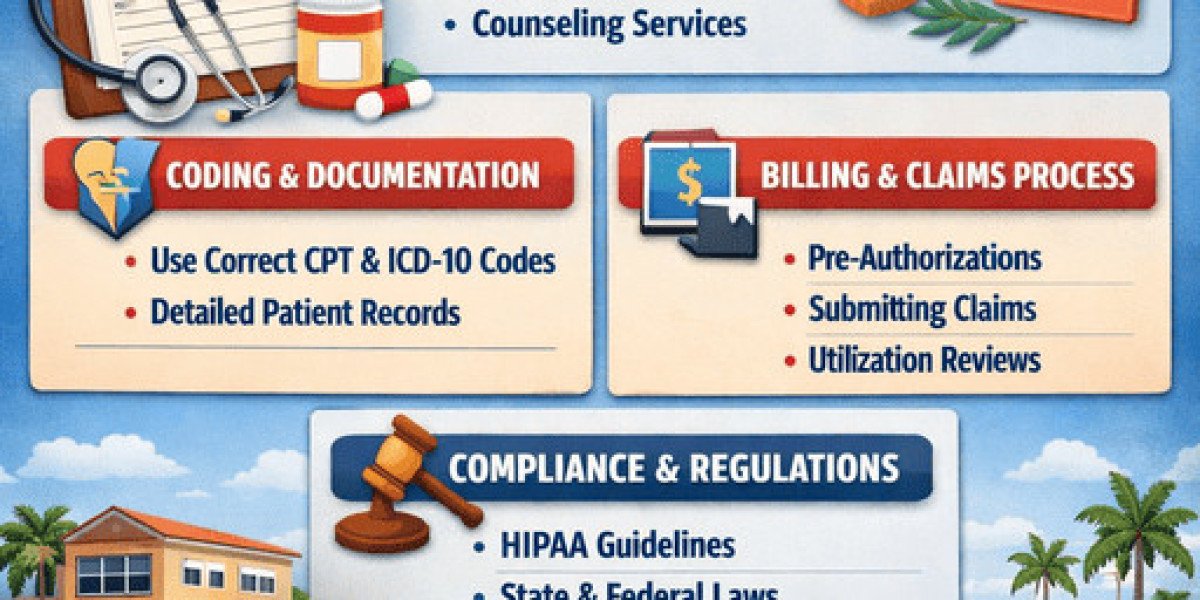

For treatment centers and behavioral health practices across the United States, the path to sustainable operations is often paved with complex paperwork and denied claims. While the clinical focus remains on patient outcomes, the financial health of these facilities relies heavily on a process that is often misunderstood and frequently mismanaged: substance use insurance billing.
Navigating this intricate system is more than just a financial necessity; it is a critical component of ensuring that patients receive the care they need without interruption. As the demand for addiction treatment services rises, and as insurance coverage expands to include mental health and substance use disorders, the ability to efficiently and accurately file claims has become a defining factor between a thriving practice and one that struggles to keep its doors open.
The Unique Challenges of Behavioral Health Billing
Unlike general medical practices, behavioral health and substance abuse treatment centers face a unique set of hurdles when it comes to reimbursement. The nature of the services provided—often involving intensive therapy, group sessions, and medication-assisted treatment (MAT)—requires a deep understanding of specific codes and modifiers that general practitioners rarely use.
Furthermore, the scrutiny applied to substance use claims is often greater. Insurance companies frequently review these claims for medical necessity, requiring extensive documentation to prove that the treatment is not only helpful but absolutely necessary. A single missed session note or a misapplied diagnosis code can lead to a denial, delaying payment and potentially delaying a patient’s next round of treatment. This is why many facilities are turning to specialized substance abuse billing companies to handle the heavy lifting.
The difference between a clean claim and a denied one often comes down to experience. For a facility dedicated to treating patients, time spent deciphering payer guidelines and fighting appeals is time taken away from clinical care. The most successful centers understand that financial stability comes from a seamless revenue cycle, allowing them to reinvest in their staff and patient programs.
Decoding the Payer Landscape for SUD Treatment
Understanding who is paying the bill is just as important as knowing how to bill them. Insurance coverage for substance use disorder (SUD) has evolved significantly in recent years. The Mental Health Parity and Addiction Equity Act (MHPAEA) mandates that insurance plans provide coverage for SUD treatment comparable to medical and surgical benefits. However, the practical application of this law is where complexity arises.
Medicare, Medicaid, and private commercial insurers each have their own set of rules, fee schedules, and prior authorization requirements. For instance, a facility might need to verify a patient’s benefits multiple times throughout their stay to ensure that coverage hasn’t changed or reached its limit. This dynamic environment requires a proactive approach to substance abuse insurance billing. It is no longer enough to simply send a claim and hope for the best; successful billing requires constant verification, pre-authorization, and a thorough understanding of each individual policy’s limitations.
Top Substance Abuse Disorder SUD Billing Company: What Sets Them Apart?
When a facility decides to outsource, finding the right partner is paramount. The market is full of vendors claiming expertise, but the best substance abuse disorder SUD billing company is distinguished by a few key traits.
First, true expertise means having a dedicated team that does nothing but behavioral health billing. These specialized professionals are acutely aware of the specific modifiers required for different levels of care, such as Partial Hospitalization Programs (PHP), Intensive Outpatient Programs (IOP), and residential treatment.
Second, the best companies are technologically advanced. They don’t just rely on manual data entry; they use sophisticated software that scrubs claims before they are sent to the payer, reducing the likelihood of rejections due to coding errors. When a facility partners with a top substance abuse disorder SUD billing company, they expect a reduction in days in accounts receivable (A/R). They expect their billing partner to be aggressive in following up on overdue claims and persistent in appealing unwarranted denials.
Third, and perhaps most importantly, they act as a strategic partner. They don’t just submit bills; they provide analytics and reporting that help the facility understand its financial health, identify trends in denials, and improve documentation practices. This proactive approach is what differentiates a "service provider" from a partner in growth.
The Critical Role of Medical Billing and Coding Services
At the heart of the reimbursement process lies the accuracy of the code. In the medical world, almost every interaction, diagnosis, and procedure is assigned a specific alphanumeric code. This is where comprehensive medical billing and coding services become indispensable.
Coding for substance use disorders is particularly nuanced. The clinician must determine the correct diagnosis code (e.g., F10.10 for alcohol abuse, uncomplicated) and pair it with the appropriate Current Procedural Terminology (CPT) code for the therapy or medical service provided. For example, coding for an evaluation and management (E/M) visit is different from coding for a psychotherapy session, and the modifiers applied change depending on whether the session was individual or group therapy.
Why is this so crucial? Because insurance payers use these codes to determine the medical necessity of the service. If the diagnosis code doesn’t "match" the procedure code—a concept known as "coding specificity"—the claim is often kicked back as a denial. This is why expert medical coding services are vital; they ensure that the story the codes tell matches the clinical documentation in the patient's chart. It’s a matter of translating clinical language into financial language.
Core Services: Revenue Cycle Management Services
Medical billing is just one piece of the puzzle. To ensure the financial survival of a treatment center, practices must look at the bigger picture. This is where revenue cycle management services come into play.
Revenue Cycle Management (RCM) encompasses the entire lifecycle of a patient's account, from the moment they schedule an appointment to the final payment of the invoice. It is a comprehensive process that includes:
Patient Registration and Eligibility Verification: Ensuring the patient has active coverage before services are rendered.
Charge Capture: Accurately recording all services provided.
Claim Submission: Sending clean claims to payers.
Payment Posting: Applying payments and adjustments to patient accounts.
Denial Management: Investigating and appealing denied claims.
Patient Collections: Managing patient statements and collecting balances.
In the context of substance use treatment, RCM is especially critical due to the potential for extended stays. A patient might be in treatment for 30, 60, or even 90 days. Without a robust RCM system, the facility could be waiting months for payment, causing a severe cash flow crunch. By utilizing specialized revenue cycle management services, facilities can stabilize their finances and focus on what matters most: patient care.
Key Components of Effective RCM in SUD
An effective revenue cycle strategy for a substance abuse center isn't just about sending bills; it is about optimizing every step to ensure payments come in as quickly and completely as possible.
Pre-Authorization: This is the most critical step. Many insurance plans require pre-authorization before a patient is admitted for inpatient or residential treatment. Failing to get this approval can result in a total denial of the claim.
Concurrent Review: For longer-term care, many payers require ongoing reviews to justify the continuation of treatment.
Discharge Planning and Final Billing: The billing team must work with the clinical team to ensure all services are captured upon discharge.
Expanding the Team: Credentialing Services
Before a facility can even begin to think about billing for a specific insurance plan, they must be "in-network." This process is known as credentialing. It is a rigorous verification process where insurance companies ensure that the providers and the facility meet their standards of care and have the necessary qualifications.
This is where credentialing services become an absolute necessity. The credentialing process is notoriously slow and paperwork-heavy. An application can take months to process, and a single error or missing piece of information can set the process back by weeks.
For a new facility or a practice looking to expand its payer contracts, credentialing is often the bottleneck. By working with a team that specializes in credentialing, a facility can expedite this process and begin seeing patients sooner. Furthermore, credentialing isn't a one-time event; providers must re-credential every few years, and they must constantly update their information regarding tax IDs, practice locations, and malpractice insurance. Failure to maintain accurate records can result in delayed payments or even termination from a payer network.
Why Outsource Substance Abuse Billing?
Given the complexities outlined above, it is understandable why so many treatment centers are choosing to outsource their substance abuse billing needs. The decision is often a financial one. Hiring and training an in-house billing team is expensive. It requires salaries, benefits, software, and ongoing education to keep up with changing regulations.
Outsourcing allows a facility to convert a fixed cost (a salary) into a variable cost (a percentage of collections). This means that the billing company only gets paid when the facility gets paid, aligning their incentives perfectly with the financial goals of the practice. Moreover, outsourced teams often have access to better technology and more advanced denial management strategies.
When facilities look for the best substance abuse disorder SUD billing services company, they look for one that offers transparency, reporting, and a proven track record in the behavioral health space. They want a partner who understands the sensitive nature of the patient population and the specific nuances of the payer contracts they hold.
The Future of Substance Use Disorder Billing
The landscape of healthcare billing is ever-evolving, and substance use treatment is no exception. With the rise of value-based care, we are seeing a shift from fee-for-service models to models that reward outcomes. This is a significant challenge for traditional billing models. Payers are increasingly looking at metrics like sobriety rates and readmission rates.
This shift requires facilities to have a robust data analytics backbone. It is no longer just about billing for a session; it is about proving the effectiveness of the treatment. Facilities that partner with forward-thinking billing companies will be better equipped to navigate this transition. Those that cling to outdated methods may find themselves struggling to remain financially viable in a market that demands both clinical and operational excellence.
Conclusion
Navigating the financial landscape of substance use treatment is a daunting task, but it is not insurmountable. Success requires a strategic blend of clinical excellence and financial expertise. The facilities that thrive are those that recognize the importance of accurate and efficient billing processes.
By leveraging specialized support, such as medical billing services, medical coding services, comprehensive medical billing and coding services, and holistic revenue cycle management services, treatment centers can significantly reduce their administrative burdens. Furthermore, by ensuring their providers are properly enrolled via meticulous credentialing services, they can maximize their reimbursement potential and expand access to care.
Ultimately, the goal is to ensure that financial constraints never become a barrier to treatment. A strong revenue cycle ensures that facilities can invest in top-tier clinical staff, comfortable living environments, and evidence-based therapeutic programs. In the end, mastering the billing process isn't just about money; it's about sustaining the mission of helping individuals reclaim their lives from addiction.
Frequently Asked Questions (FAQs)
1. Why do I keep getting denials on my substance abuse claims?
Denials in substance abuse billing often stem from a lack of medical necessity documentation, incorrect coding (especially missing modifiers for different levels of care), or failure to obtain prior authorization. To mitigate this, it is recommended to work with a billing team that specializes in behavioral health and performs claim scrubbing before submission.
2. What is the difference between medical billing and revenue cycle management?
Medical billing is the specific act of submitting claims to insurance companies for reimbursement. Revenue Cycle Management (RCM) is a broader term that encompasses the entire financial process, from scheduling and eligibility verification to claim submission, denial management, and patient collections. RCM looks at the patient’s lifecycle from start to finish.
3. Do I need to credential my therapists for every insurance plan?
Yes. Any provider (therapist, counselor, psychiatrist, or NP) who wants to bill an insurance plan as "in-network" must be credentialed by that specific payer. This process verifies their education, license, malpractice insurance, and work history. It is a legal requirement for receiving insurance payments and must be renewed periodically.
4. How much does it typically cost to outsource substance abuse billing?
Most professional substance abuse billing companies charge a percentage of the total collections, usually ranging from 4% to 10%, depending on the volume of claims and the specific services required (e.g., only billing vs. full RCM). This model is attractive because the cost aligns with revenue, meaning the billing company is incentivized to collect as much as possible.
5. Can I handle medical coding in-house instead of outsourcing it?
You can, but it requires hiring certified coders (e.g., CPCs or CCSs) who are specifically trained in the DSM-5 codes and CPT guidelines related to addiction medicine. Given the high stakes involved in coding errors, which can lead to federal audits or fraud accusations, many facilities find that outsourcing to specialized medical coding services provides the safety net they need.
6. How does the No Surprises Act affect substance abuse billing?
The No Surprises Act primarily protects patients from unexpected out-of-network bills for emergency services and certain non-emergency services at in-network facilities. For substance abuse treatment centers, this means increased transparency requirements. Providers must now provide a good faith estimate of costs to self-pay and uninsured patients. It is essential to have a billing and RCM system that can handle these new compliance requirements.