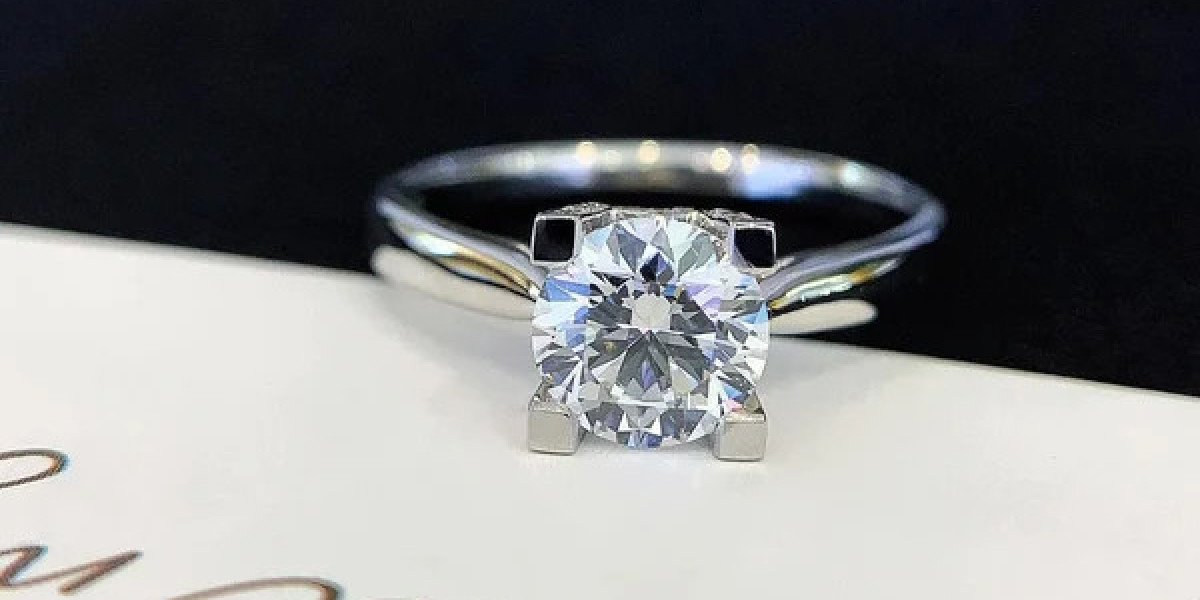

Fine jewelry has always been associated with beauty, craftsmanship, and lasting significance. Yet the way people think about luxury is changing. Modern couples are increasingly interested in jewelry that reflects not only personal style but also thoughtful choices about materials, production, and long-term value. This shift has brought fresh attention to pave rings, particularly designs that combine intricate diamond detailing with lab-grown stones.
Pave rings are known for their ability to create an impressive display of light. Instead of relying entirely on a single center stone, the design incorporates numerous smaller diamonds along the band. When carefully arranged, these stones create a continuous shimmer that enhances the overall appearance of the ring.
The growing interest in lab-grown diamonds adds another dimension to this style. Produced in controlled laboratory environments, lab-grown diamonds provide an alternative to traditionally mined diamonds while retaining the fundamental crystal structure associated with diamond. For couples considering contemporary engagement jewelry, this creates an opportunity to combine classic aesthetics with a modern approach to diamond selection.
Sustainability, however, is more than simply choosing a particular type of diamond. A thoughtful approach involves considering production practices, energy use, craftsmanship, durability, care, and how long a piece is expected to remain useful. When a ring is designed to be worn and treasured for many years, its value extends beyond its initial appearance.
Why Pave Rings Have Such Lasting Appeal
The word pave comes from a setting technique in which small diamonds are positioned closely together across a jewelry surface. In engagement rings, the technique is commonly used along the band, where tiny diamonds are secured with small beads or prongs.
When viewed from a distance, the individual stones can appear almost like a continuous layer of sparkle. This creates a different effect from a traditional solitaire, where the center diamond is generally the main source of brilliance and the band remains relatively simple.
Pave allows the band itself to become part of the visual story. Light can interact with numerous small diamonds, producing flashes of brilliance as the wearer moves their hand. This can make the ring appear more detailed without necessarily requiring an oversized design.
One of the reasons this style remains versatile is that pave can be adapted to different proportions. A slim band with tiny accent stones can create an understated and delicate appearance. A wider band with more noticeable diamonds can offer a stronger statement.
The center stone also influences the overall character of the ring. Round brilliant diamonds are a natural match for symmetrical pave designs and provide a classic appearance. Oval diamonds introduce an elongated silhouette, while cushion cuts offer softer contours. Radiant and pear-shaped diamonds can create a more distinctive look, and emerald cuts appeal to those who appreciate clean lines and broad reflections.
The Connection Between Lab-Grown Diamonds and Modern Sustainability
Lab-grown diamonds have become increasingly prominent in contemporary fine jewelry. They are created in controlled laboratory environments through technological processes that replicate the conditions necessary for diamond formation. Their fundamental crystal structure is the same as that of naturally formed diamonds.
For modern couples, this means there is another option to consider when selecting an engagement diamond. The decision can be based on appearance, diamond characteristics, certification, budget, design preferences, and personal values.
One of the strongest advantages of having additional choices is that couples can evaluate what matters most to them. Some may prioritize a particular diamond shape, while others may focus on size, cut quality, or the overall design of the ring.
The relationship between lab-grown diamonds and sustainability should also be considered carefully. Sustainability is a broad concept, and the environmental impact of a diamond can depend on factors such as how it is produced, the energy used during production, manufacturing practices, and other stages of its lifecycle.
For couples ready to discover pave diamond engagement rings, comparing different center stone shapes, pave patterns, metal colors, and band widths can provide a clearer idea of which design best matches their preferences.
Choosing a Pave Ring That Fits Your Lifestyle
A ring can be visually beautiful and still be unsuitable for the person who will wear it. Since engagement jewelry is often worn regularly, practical considerations should be part of the selection process from the beginning.
The center diamond shape is a good place to start. Think about the wearer's personality and existing jewelry collection. Someone who prefers traditional accessories may appreciate a round diamond, while a person with a more contemporary style may prefer an oval, radiant, emerald, or pear shape.
The band width should complement the center stone. A very delicate band can make the center diamond appear more prominent, while a wider band provides additional visual weight.
The amount of pave coverage also changes the character of the ring. Some designs feature diamonds only across the visible portion of the band. Others continue the detailing farther around the shank, creating a more complete sparkling effect.
There is no universally correct level of coverage. The right choice depends on how much detail the wearer enjoys and how the ring fits into their everyday wardrobe.
Setting height is another practical consideration. A high-profile center stone can create a dramatic side view and may allow light to enter from several directions. However, it can also be more exposed to accidental contact.
Craftsmanship, Care, and the Meaning of Long-Term Luxury
Sustainability in fine jewelry can also be viewed through the idea of longevity. A beautifully made ring that remains wearable and meaningful for decades can become more than an accessory. It can become a personal keepsake, an heirloom, and eventually part of a family's story.
Pave settings require careful craftsmanship because the accent diamonds are small and positioned close together. The alignment should be consistent, the individual stones should be securely held, and the surrounding metal should have a smooth finish.
The center stone setting deserves equal attention. Prongs or other setting components need to provide security without making the design appear bulky. The setting should complement the shape of the diamond and maintain appropriate proportions.
Maintenance is an important part of protecting this craftsmanship. Everyday exposure to cosmetics, oils, dust, and other substances can reduce the visible brilliance of diamonds over time. Gentle cleaning can help restore their appearance.
Periodic professional inspections can also be useful. Because a pave ring contains multiple accent stones, checking the settings can help identify a loose stone or worn component before it becomes a larger problem.
Proper storage is another simple way to protect fine jewelry. Keeping the ring in a soft-lined compartment away from other pieces can reduce scratches and unnecessary contact. During travel, a dedicated jewelry case can provide additional protection.
A Modern Fine Jewelry Perspective From Antiquecut
Antiquecut represents a contemporary perspective on fine jewelry where classic design can be combined with evolving preferences. When considering a pave lab-grown diamond ring, couples can focus on creating harmony between the center stone, accent diamonds, metal, and overall proportions.
A luxurious appearance does not necessarily require excessive decoration. Often, the most successful designs are those where each detail has a clear purpose. The center diamond provides focus, the pave accents add brilliance, and the metal creates the foundation for the overall aesthetic.
This balanced approach also supports the idea of thoughtful luxury. Instead of selecting jewelry solely because it is expensive or fashionable, couples can consider craftsmanship, wearability, personal significance, and the qualities they value most. The result can be a ring that feels sophisticated today while retaining enough timeless character to remain meaningful in the future.
Conclusion
Pave rings represent an appealing meeting point between traditional engagement jewelry and modern design preferences. Their closely set diamonds create a beautiful display of brilliance, while lab-grown diamonds provide an additional option for couples who want to consider contemporary approaches to diamond selection.
The idea of sustainability extends beyond the origin of the center stone. Responsible choices can involve understanding production, considering craftsmanship, selecting durable designs, maintaining the jewelry properly, and choosing a ring that will remain meaningful for years.
Personal style should also remain at the center of the decision. The ideal pave ring may feature a classic round diamond, an elongated oval, a distinctive pear shape, or a clean emerald cut. It may use white gold, platinum, yellow gold, or rose gold. The band may be delicate or substantial. What matters most is how naturally the finished piece reflects the person who will wear it.
A carefully crafted pave lab-grown diamond ring can therefore offer more than visual brilliance. It can represent thoughtful purchasing, personal expression, contemporary technology, and enduring craftsmanship in a single piece of jewelry.
For modern couples, that combination makes pave rings an attractive interpretation of luxury—one where beauty and mindful choices do not have to exist separately, but can come together in a design created to be cherished for years to come.