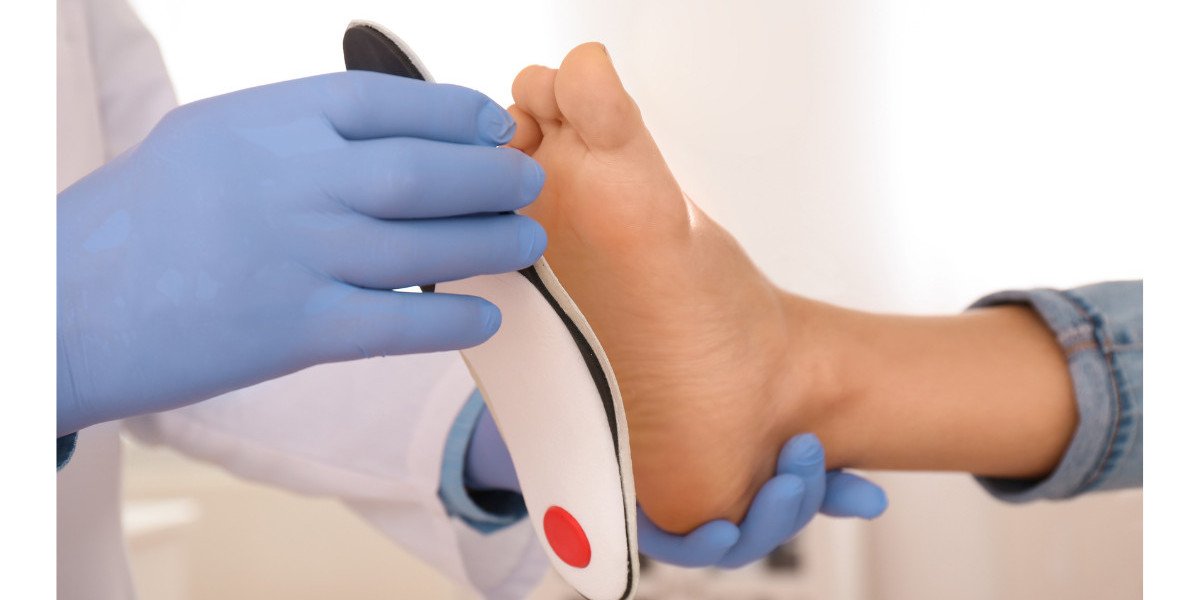

Walking is part of everyday life, whether you are at work, exercising, shopping, or spending time outdoors. When discomfort develops in your feet or lower limbs, even short walks may become challenging. Custom Orthotics Camrose are designed to support the unique shape and movement of your feet and may be recommended as part of a physiotherapy plan following a detailed assessment. The goal is to improve foot support and help promote more comfortable movement during daily activities.
What Are Custom Orthotics?
Custom orthotics are prescription foot inserts designed specifically for an individual's feet. Unlike standard insoles available in retail stores, custom orthotics are created using measurements and an assessment of your foot structure, walking pattern, and movement.
A physiotherapist evaluates how your feet, ankles, knees, hips, and lower back work together during standing and walking. This information helps determine whether custom orthotics may be appropriate for your needs.
How Can Foot Mechanics Affect Walking?
Your feet provide the foundation for movement. When foot mechanics change, extra stress may be placed on other areas of the body during walking or standing.
Some people may notice:
Foot discomfort after walking
Heel pain
Arch discomfort
Tired feet after standing
Knee discomfort during activity
Changes in walking pattern
Reduced comfort during exercise
These symptoms may have different causes, making a professional assessment an important first step.
How Custom Orthotics May Support Walking
Custom orthotics are designed to work with your footwear and individual movement pattern. Depending on your assessment findings, they may help by:
Supporting the arches of the feet
Improving foot alignment during walking
Distributing pressure across the feet
Providing additional cushioning in certain areas
Supporting more efficient movement during everyday activities
Orthotics are often used alongside other rehabilitation strategies rather than as the only component of treatment.
What Happens During an Orthotics Assessment?
A custom orthotics assessment typically includes a discussion about your symptoms, daily activities, work demands, footwear, and medical history.
Your physiotherapist may also assess:
Foot posture
Walking pattern
Joint mobility
Muscle strength
Balance
Standing alignment
Functional movement
Based on these findings, they can determine whether custom orthotics may be suitable as part of your rehabilitation program.
Can Custom Orthotics Be Combined With Physiotherapy?
Yes. Many rehabilitation plans combine custom orthotics with physiotherapy exercises and movement education. Depending on your condition, your physiotherapy program may also include:
Stretching exercises
Strengthening activities
Balance exercises
Walking retraining
Mobility exercises
Footwear guidance
This combined approach focuses on improving movement patterns and supporting long-term function during daily activities.
When Should You Consider an Assessment?
If foot discomfort affects your ability to walk, stand for long periods, participate in recreational activities, or complete your work comfortably, it may be helpful to schedule a physiotherapy assessment. Understanding how your feet move can provide valuable information when choosing the most appropriate rehabilitation approach.
If you are searching for Custom Orthotics near me, Central Physiotherapy & Massage provides comprehensive foot assessments and custom orthotic services as part of individualized rehabilitation programs. Recommendations are based on your movement assessment, activity level, and functional goals. If you are looking for a Physiotherapy and Massage Clinic Camrose, booking an assessment can help you understand your walking mechanics and explore rehabilitation options that support comfortable everyday movement.