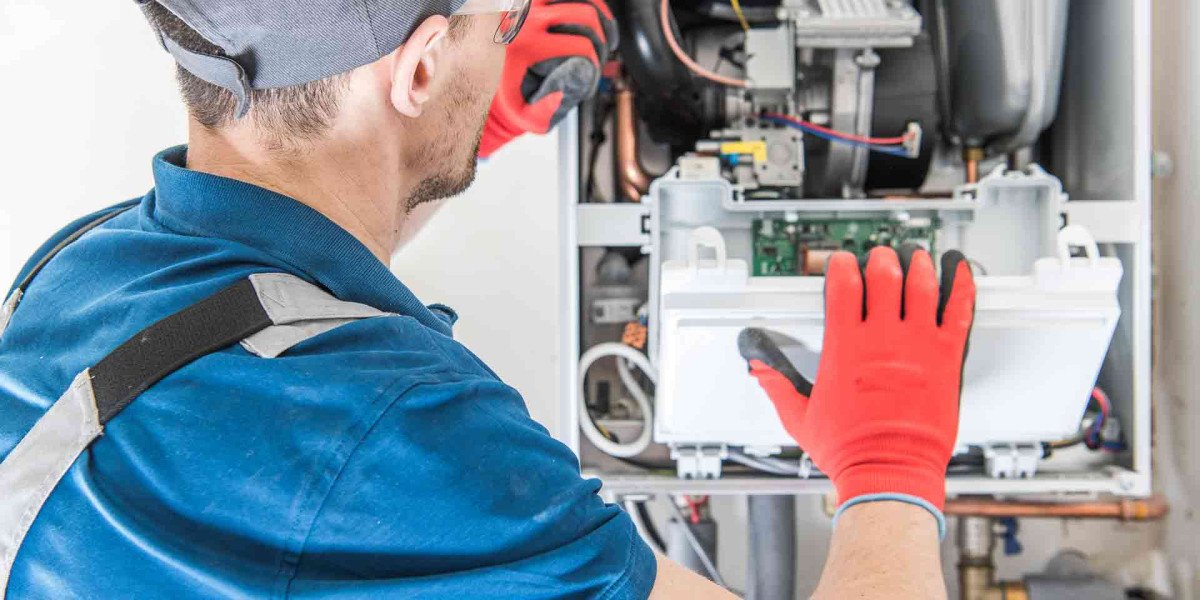

A modern heating system plays an important role in keeping a UK home comfortable, especially during colder months. When an older boiler becomes unreliable, inefficient, or expensive to repair, replacing it with a newer combi model can be a practical long-term decision. A combi boiler provides central heating and hot water from one compact appliance, making it particularly suitable for many homes without large hot-water storage requirements.
Choosing a new boiler, however, is not simply a matter of buying the latest model. The property, existing pipework, hot-water demand, heating controls, installation position, ventilation requirements, and system condition all need to be considered. A professional assessment can identify whether a replacement is suitable and whether any supporting work is required.
This guide explains what homeowners should know before arranging a combi boiler swap, from recognising the signs that replacement may be worthwhile to understanding installation, costs, efficiency, controls, safety, and aftercare.
When Should You Consider a Combi Boiler?
Boilers do not necessarily need replacing as soon as they develop a fault. In some situations, a straightforward repair can restore reliable operation. However, repeated breakdowns or declining efficiency may indicate that continued repairs are becoming less economical.
Common signs of an ageing boiler
Frequent pressure loss, unusual noises, inconsistent hot water, slow heating, repeated error codes, leaks, or unexplained increases in energy use can all justify a professional inspection. An older appliance may also lack modern controls and efficiency features that can improve how the heating system operates.
The age of the boiler matters, but it should not be the only consideration. A well-maintained older boiler may continue working reliably, while a newer appliance with a recurring fault may require attention sooner. A qualified heating professional can assess the condition of the appliance and advise whether repair or replacement makes greater sense.
When repairs may no longer be practical
If a boiler has developed several faults over a relatively short period, the total cost of repairs can become difficult to justify. Parts may also become harder to source for older models. In such circumstances, investing in a new system may provide greater reliability and more predictable running costs.
What Happens During a Combi Boiler?
A professional combi boiler swap involves more than removing one appliance and installing another. The installer first needs to assess the existing heating system and determine whether the proposed boiler is appropriate for the property.
Initial assessment and boiler selection
The assessment should consider the size of the property, number of bathrooms, expected hot-water demand, radiator requirements, existing pipework, flue route, gas supply, and available installation space. Oversizing a boiler is not automatically better. The aim is to select equipment that can meet the home's heating and hot-water requirements efficiently.
The condition of the system should also be reviewed. If the radiators, valves, pipework, or controls are significantly worn, replacing the boiler alone may not deliver the best overall result.
Removal of the existing appliance
Before work begins, the existing boiler is isolated and removed using appropriate procedures. The installer should protect surrounding surfaces and manage the work area carefully. Depending on the installation, old components may also need to be disconnected or removed.
If the replacement is being installed in the same location, the process can sometimes be relatively straightforward. However, changes to pipework, flue arrangements, controls, or the boiler position can increase the complexity of the job.
Installation, testing and commissioning
The new boiler is connected to the heating, hot-water, gas, electrical, and condensate systems as required. The installer then checks the system, carries out commissioning procedures, verifies safe operation, and explains the controls to the homeowner.
A quality installation should leave the homeowner knowing how to operate the boiler, adjust heating schedules, check basic pressure information, and understand what to do if a fault occurs.
How to Choose the Right Replacement Boiler
There is no single boiler that is ideal for every household. Selection should be based on the property and its actual requirements rather than simply choosing the highest output or the most heavily advertised model.
Consider hot-water demand
A combi boiler heats water on demand, so the available hot-water flow can be important for households with multiple bathrooms or simultaneous usage. A small household may have very different requirements from a larger family.
Before selecting a model, consider how many people live in the property, how many bathrooms are regularly used, and whether showers, baths, taps, or appliances may need hot water at the same time.
Consider heating demand
Heating output should be appropriate for the property's heat-loss requirements. Factors such as insulation, glazing, room size, external exposure, and radiator capacity can influence the heating demand.
A professional heat-loss assessment can provide a more informed basis for selection than relying solely on property size.
Look at controls and system compatibility
Modern heating controls can help homeowners manage temperatures and schedules more effectively. Depending on the system, options may include programmable controls, room thermostats, smart controls, and weather-compensation features.
The most useful setup is one that is correctly installed, compatible with the boiler, and simple for the household to use.
What Can Affect the Cost of a Boiler Replacement?
The price of a replacement varies considerably because every property presents different installation requirements. Comparing quotations based only on the headline figure can therefore be misleading.
Installation complexity
A straightforward replacement in the existing location may require less labour than a project involving new pipework, altered flue arrangements, upgraded controls, system cleaning, or relocation.
The condition of the existing system is another factor. If there is sludge or debris in the heating circuit, cleaning or flushing may be recommended before or during the installation.
Boiler specification and controls
Different boiler models have different features, outputs, warranties, control options, and installation requirements. Additional components may also influence the final price.
Homeowners should ask for a clear quotation that explains what is included, including removal of the old boiler, installation, controls, commissioning, certification, and any associated system work.
Why Professional Installation Matters
Heating appliances involve gas, combustion, electrical connections, hot water, and pressure. Installation should therefore be completed by an appropriately qualified professional rather than treated as a DIY project.
Safety and compliance
Correct installation helps ensure that the appliance, flue, pipework, ventilation arrangements, and controls are suitable and safely configured. The installer should complete the necessary checks and provide the relevant documentation following the work.
Better long-term performance
Installation quality can influence reliability, efficiency, noise levels, and the overall performance of the heating system. Poorly sized components, incorrect settings, inadequate commissioning, or unsuitable system connections can create problems even when the boiler itself is a good product.
For that reason, homeowners should consider the installer's qualifications, experience, reputation, quotation detail, and aftercare rather than selecting a contractor solely on price. FH Plumbing & Gas Installations can be considered when homeowners want professional support for boiler replacement and related plumbing or heating work.
Preparing Your Home for the Installation
A little preparation can make the installation day easier. Clear access to the boiler and nearby pipework, remove fragile items from the working area, and make arrangements for temporary disruption to heating and hot water.
Ask questions before work starts
A reputable installer such as FH Plumbing & Gas Installations should be able to explain the proposed boiler, expected installation process, controls, warranty arrangements, and any additional work that may be required.
It is also sensible to ask whether the existing heating system needs cleaning, whether any radiators or valves require attention, and whether the proposed boiler location is suitable.
Think about future maintenance
The installation should be approached as a long-term heating investment. Keep the paperwork, model information, warranty details, commissioning records, and maintenance recommendations in a safe place.
Regular servicing and prompt attention to unusual noises, pressure problems, leaks, or fault codes can help identify issues before they become more serious.
Creating Useful Online Information About Boiler Replacement
For homeowners researching a combi boiler swap, the most useful service content answers practical questions clearly rather than repeating the same keyword throughout a page. A strong service page should explain who the service is for, what the process involves, what factors influence the quotation, and what customers should expect before, during, and after installation.
Local relevance also matters. Service information should make it clear which areas are covered, while business details, contact information, qualifications, genuine customer experiences, and consistent company information can help establish trust. Google’s current guidance continues to emphasise helpful, reliable, people-first content, originality, clear expertise, and a satisfying page experience rather than content created primarily to manipulate rankings.
For search experiences that use AI, Google states that the same foundational SEO practices remain important. Pages need to be accessible, indexable, useful, and supported by content that adds genuine value. There are no special technical requirements that guarantee inclusion in AI Overviews or AI Mode.
Questions to Ask Before Booking
Before agreeing to replacement work, homeowners can make a more informed decision by asking a few straightforward questions.
Important questions for the installer
Ask which boiler is being recommended and why it suits the property. Confirm the expected installation time, what happens to the old appliance, whether system cleaning is required, which controls are included, and what documentation will be provided after commissioning.
It is also worth asking about warranty registration, servicing recommendations, emergency support, and any limitations that may apply to the installation.
Review the quotation carefully
A detailed quotation should distinguish the boiler and controls from labour and additional materials. If extra work may be necessary, ask how it would affect the final price before the installation begins.
A transparent quotation makes it easier to compare contractors on value, installation quality, equipment suitability, and aftercare rather than simply comparing the lowest number.
Final Thoughts
A combi boiler can improve reliability, convenience, and control when the new system is properly selected and installed. The best result comes from assessing the property's actual heating and hot-water requirements, choosing compatible equipment, preparing the existing system where necessary, and using a qualified professional for installation and commissioning. A well-structured replacement also provides an opportunity to improve controls and address weaknesses in the wider heating system.
For homeowners planning a combi boiler, FH Plumbing & Gas Installations provides professional support focused on safe installation, practical advice, and dependable heating solutions.