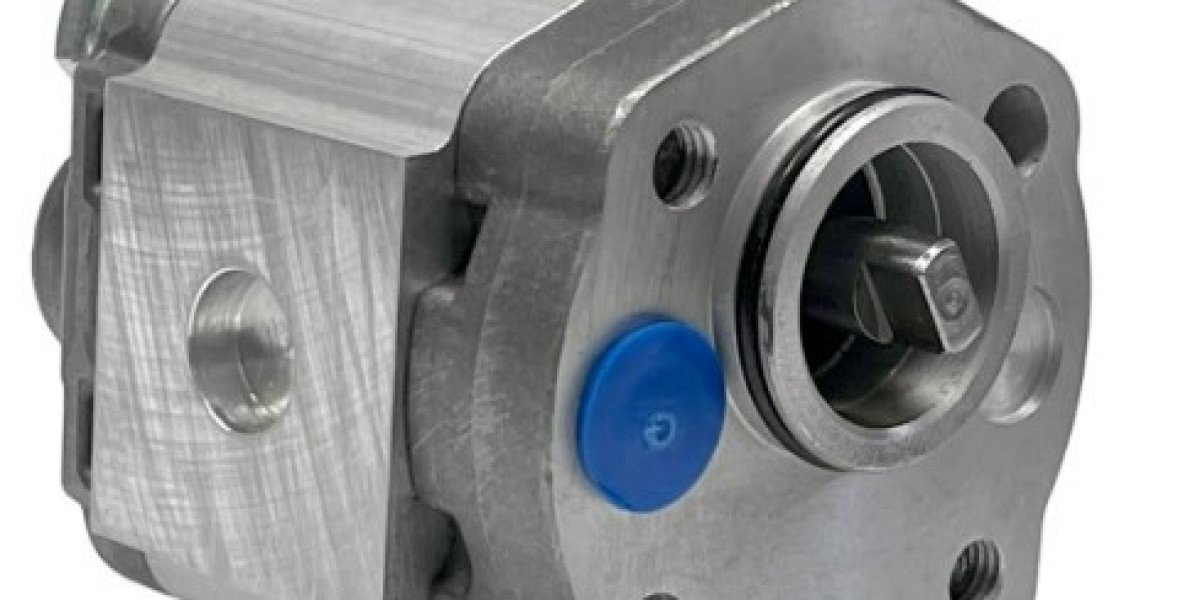

In industrial fluid handling, equipment must deliver consistent performance while working under demanding operating conditions. A KP Gear Pump can provide a practical solution when steady fluid movement, compact construction, and dependable operation are important. From production lines to hydraulic equipment, gear pumps are valued for their straightforward working principle and ability to maintain a stable flow. Choosing the right KP Gear Pump also requires attention to fluid characteristics, operating pressure, speed, temperature, and installation conditions.
Understanding the Working Principle
Gear pumps operate through the movement of rotating gears inside a carefully designed housing. As the gears turn, fluid is drawn into the inlet area and carried around the housing before being pushed toward the outlet. This simple mechanical process allows the pump to create continuous fluid movement without requiring a complicated internal structure.
The basic design makes gear pumps suitable for many industrial applications. Their operation is relatively easy to understand, while their compact form can be useful where installation space is limited. Depending on the design and application, gear pumps can be used for hydraulic oil, lubricating fluids, fuel, and other compatible liquids.
Because the pumping action depends on the interaction between rotating components and the pump housing, proper manufacturing accuracy is important. Correct clearances and suitable materials can contribute to reliable operation and help reduce unnecessary internal leakage.
Choosing the Right Pump Configuration
Different industrial systems have different operating requirements, so selecting a pump should begin with understanding the application. Flow demand is one of the first factors to consider. A system requiring continuous fluid delivery needs a pump with suitable displacement and operating speed.
Pressure requirements are equally important. The selected pump should match the working conditions of the equipment rather than simply focusing on maximum specifications. Fluid viscosity, temperature, cleanliness, and chemical compatibility should also be evaluated before making a final decision.
Installation dimensions can influence the choice as well. A pump that fits properly with existing piping and drive equipment can make installation more convenient and reduce modification work. Buyers should therefore consider both performance and mechanical compatibility during the selection process.
Liming-Machine and Practical Industrial Applications
Liming-Machine focuses on machinery solutions designed for practical industrial use. When selecting pumping equipment, users generally need more than a basic product specification. They also need to understand how the pump will work within the complete fluid system.
Gear pumps can be found in hydraulic machinery, lubrication systems, material processing equipment, fuel transfer systems, and other industrial applications. Their compact construction can make them suitable for machinery where available space is limited.
In production environments, stable fluid delivery can influence the performance of downstream components. A properly selected pump can help maintain consistent operating conditions and support smoother equipment operation. For this reason, pump selection should always consider the entire system rather than treating the pump as an isolated component.
Maintenance and Operating Considerations
Regular maintenance can help extend the useful operating life of pumping equipment. Before operation, users should check whether the pump has been installed correctly and whether the connected piping is suitable for the intended fluid.
Fluid cleanliness is another important consideration. Contaminants can affect internal components and accelerate wear over time. Using appropriate filtration and keeping the surrounding system clean can help protect the pump.
Operators should also pay attention to unusual noise, vibration, temperature increases, or changes in fluid delivery. These signs may indicate installation problems, excessive wear, insufficient lubrication, or unsuitable operating conditions. Early inspection can prevent minor issues from developing into larger equipment problems.
Building a More Reliable Fluid System
A dependable pumping system depends on more than the pump itself. Correct pipe sizing, suitable valves, proper filtration, appropriate motor selection, and accurate installation all contribute to overall performance.
Before purchasing equipment, users should define the required flow rate, pressure range, fluid type, operating temperature, drive speed, and installation dimensions. Providing accurate application information to a supplier can make product selection more precise and reduce compatibility concerns.
For industrial users seeking practical fluid-handling equipment, careful selection and proper maintenance can support stable operation over the long term. To learn more about machinery solutions and available products, visit https://www.liming-machine.com and explore options suited to different industrial applications.