
Why White Gold Stands Out as a Timeless Choice for Modern Jewelry
When choosing fine jewelry, many people focus on the gemstone while overlooking the metal that holds it together. Yet the choice of metal plays a significant role in appearance, durability, comfort, and long-term value. Among the most popular options available today, white gold has earned a reputation for combining sophistication with practicality.
Its bright, silvery finish complements a wide variety of gemstones, making it a favorite for engagement rings, wedding bands, earrings, and pendants. Unlike naturally white metals, white gold achieves its signature look through a carefully engineered blend of precious and durable metals. This unique composition offers the warmth and value of gold while delivering a refined appearance that suits both classic and contemporary styles.
Understanding what makes white gold different helps buyers make informed decisions when investing in jewelry designed to last for generations.
What Exactly Is White Gold?
Pure gold is naturally yellow and remarkably soft. While its purity is highly valued, it isn't ideal for everyday jewelry because it scratches and bends more easily. To improve strength and alter its color, jewelers combine pure gold with other metals, creating what is known as an alloy.
White gold is produced by blending gold with naturally white metals such as palladium, silver, nickel, or zinc. The exact combination depends on the manufacturer and the desired characteristics of the finished piece. After the alloy is formed, it is typically coated with rhodium, a member of the platinum family that enhances both brightness and resistance to wear.
The result is a precious metal that offers elegance, durability, and versatility without sacrificing the intrinsic value associated with gold.
The Metal Blend That Makes the Difference
The beauty of white gold comes from thoughtful metallurgy rather than a simple color change. Each alloying metal contributes unique characteristics that improve the performance of the jewelry.
Gold
Gold remains the foundation of every white gold piece. Depending on the karat, it determines the precious metal content and overall value. Common choices include 14K and 18K, offering different balances between purity and durability.
Palladium
Palladium naturally lightens the gold while increasing corrosion resistance. It is hypoallergenic, making it a preferred choice in many premium white gold alloys.
Silver
Silver contributes brightness and helps achieve the desired white appearance. It also improves workability during manufacturing.
Zinc
Zinc assists in balancing the alloy while improving casting quality and helping create a consistent finish.
Nickel
Some white gold alloys include nickel because it adds exceptional hardness and wear resistance. However, because certain individuals have nickel sensitivities, many jewelers now offer nickel-free alternatives.
Each ingredient serves a purpose, creating a metal that balances beauty with practical performance.
Why White Gold Continues to Be Popular
Fashion trends may change, but white gold consistently remains one of the most sought-after jewelry metals. Its popularity is driven by several practical advantages.
A Brilliant Neutral Finish
The cool tone of white gold pairs beautifully with nearly every gemstone. Whether featuring a sparkling diamond, sapphire, emerald, or moissanite, the metal enhances brilliance without competing for attention.
Everyday Durability
Compared to pure gold, white gold offers significantly greater strength. It resists bending during everyday wear, making it well suited for rings that are worn continuously.
Luxury Without Excessive Weight
White gold provides a premium appearance while remaining lighter than platinum. Many people appreciate this balance between comfort and luxury, especially in engagement rings intended for daily use.
Flexible Design Possibilities
Because of its strength and workability, white gold allows jewelers to create delicate settings, intricate details, and modern silhouettes that remain secure over time.
White Gold Compared with Other Popular Metals
Understanding how white gold differs from alternative metals helps buyers choose the option that best fits their lifestyle.
White Gold vs. Yellow Gold
Yellow gold emphasizes tradition and warmth. White gold offers a cleaner, more contemporary appearance that highlights diamonds and colorless gemstones exceptionally well.
White Gold vs. Platinum
Platinum is naturally white and extremely dense. While it offers excellent durability, it is also heavier and generally more expensive. White gold delivers a similar visual effect at a more accessible price point while maintaining the prestige associated with precious metals.
White Gold vs. Sterling Silver
Sterling silver is affordable but requires more frequent maintenance because it tarnishes over time. White gold retains its luxurious appearance longer while providing greater strength for everyday jewelry.
Why White Gold Works So Well for Engagement Rings
Engagement rings symbolize commitment and are often worn every day for decades. White gold offers qualities that align perfectly with these expectations.
Its bright finish maximizes the sparkle of diamonds by reflecting light rather than adding competing color. The stronger alloy also provides dependable support for delicate prongs and intricate settings.
Whether someone prefers minimalist elegance or vintage-inspired craftsmanship, white gold adapts beautifully to nearly every design style.
For couples seeking a ring that combines visual sophistication with long-term practicality, white gold continues to be one of the most trusted choices.
Matching White Gold with Different Diamond Shapes
One reason designers appreciate white gold is its compatibility with numerous diamond cuts. Round, oval, pear, emerald, radiant, marquise, and cushion shapes all benefit from its neutral appearance.
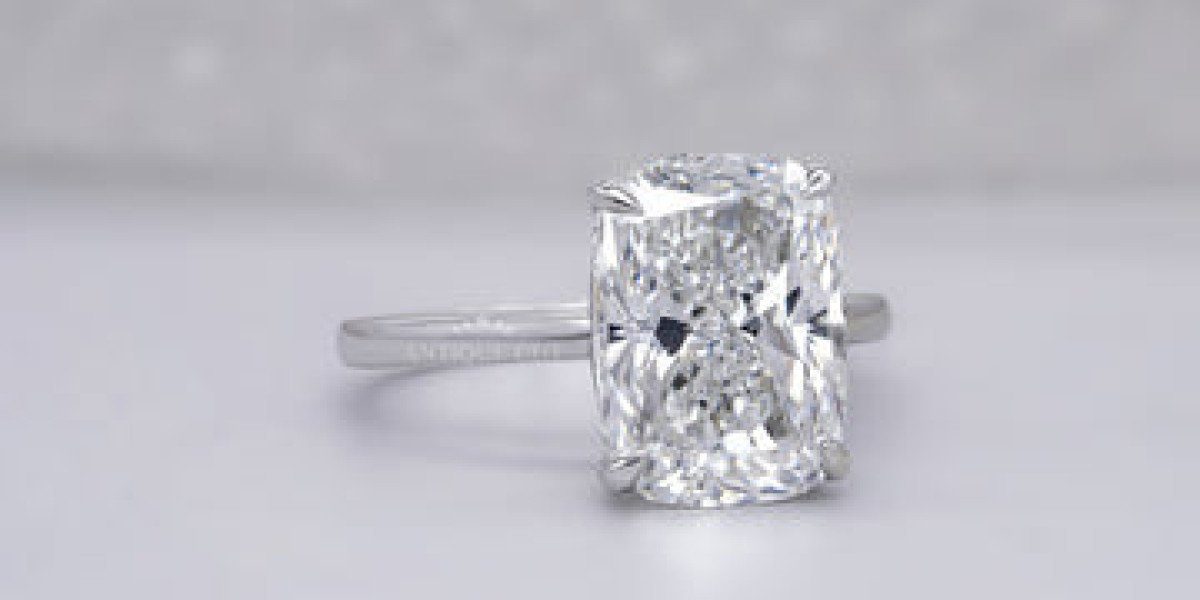
Among these options, elongated cushion diamonds have become increasingly admired for their graceful proportions. Their softened corners create a timeless look, while the elongated silhouette gives the finger an elegant appearance.
Those exploring modern engagement styles can What Is White Gold Made Of collections to appreciate how white gold enhances the stone's brilliance without overwhelming its unique shape. One beautifully crafted example is available from Antiquecut, demonstrating how thoughtful craftsmanship and balanced proportions can elevate this classic pairing.
Caring for White Gold Jewelry
Although white gold is durable, regular maintenance helps preserve its beauty.
Simple care practices include:
Clean jewelry gently using mild soap and warm water.
Dry thoroughly with a soft, lint-free cloth.
Store pieces separately to reduce scratches.
Remove rings before heavy manual work or exposure to harsh chemicals.
Schedule occasional professional inspections to ensure gemstones remain secure.
Over time, the rhodium plating may gradually wear from frequently touched areas. Professional replating restores the original bright finish, allowing the jewelry to continue looking its best for years.
Choosing the Right Karat
When purchasing white gold jewelry, karat selection affects both appearance and durability.
14K White Gold
Containing approximately 58.5% pure gold, 14K offers excellent resistance to scratches and everyday wear. It is often recommended for engagement rings because it balances beauty with strength.
18K White Gold
Containing approximately 75% pure gold, 18K provides greater gold content and a slightly richer value. It is somewhat softer than 14K but remains a luxurious choice for fine jewelry.
The ideal option depends on personal preference, budget, and expected wear.
The Lasting Appeal of White Gold
Jewelry trends evolve, but certain materials continue to stand the test of time because they offer more than visual beauty alone. White gold represents this balance exceptionally well. Its carefully developed alloy combines the prestige of gold with improved strength, versatility, and a refined appearance suited to every generation.
Whether chosen for an engagement ring, anniversary gift, or treasured family heirloom, white gold offers enduring elegance that complements changing styles while maintaining lasting value.
Selecting jewelry always involves personal taste, but understanding the craftsmanship behind the metal helps ensure that every purchase is made with confidence. By appreciating the thoughtful blend of metals that gives white gold its distinctive character, buyers can enjoy pieces designed not only to impress today but to remain meaningful for many years to come.