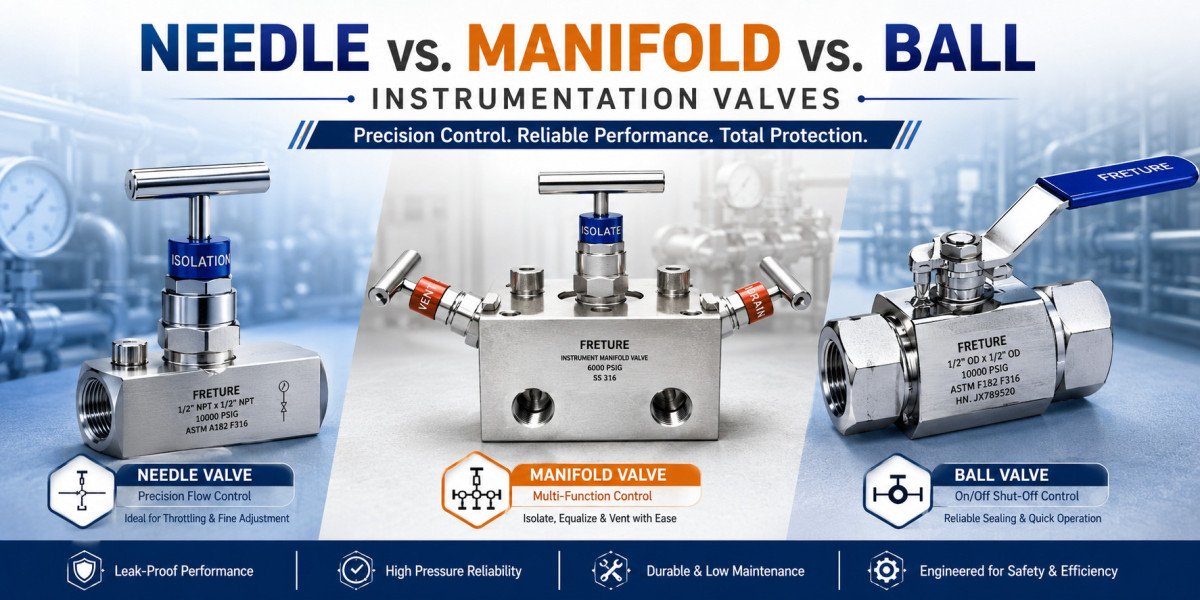

Choosing the right instrumentation valve is only half the job — proper sizing, material selection, and ongoing maintenance are what keep measurement systems accurate and safe over the long term. This guide walks through the key considerations for specifying and maintaining instrumentation valves in oil and gas facilities.
Why Proper Specification Matters
Instrumentation valves sit at a critical junction between process piping and measurement instruments. A poorly specified or poorly maintained valve can lead to inaccurate readings, leakage, or — in high-pressure sour service — a serious safety incident. Getting the specification right up front reduces long-term maintenance burden and protects instrument accuracy.
Step 1: Match Pressure and Temperature Ratings
Instrumentation valves must be rated to handle the maximum pressure and temperature of the connected process line, not just typical operating conditions. Engineers should account for:
- Maximum allowable working pressure (MAWP) of the process line
- Temperature extremes, including startup, shutdown, and upset conditions
- Pressure spikes from water hammer or rapid valve closure elsewhere in the system
Step 2: Select the Right Material
Material selection directly affects instrumentation valve service life, particularly in oil and gas environments with corrosive or sour media.
- Stainless steel (316/316L) – the most common choice for general oil and gas instrumentation service
- Duplex and super duplex stainless steel – used in higher-chloride or offshore environments
- NACE-compliant materials – required for sour gas (H2S) service to prevent sulfide stress cracking
- Monel or Hastelloy – specified for highly corrosive or specialty chemical injection applications
Step 3: Confirm Configuration Matches the Instrument
- Differential pressure transmitters typically require a 3-valve or 5-valve manifold for proper isolation and equalization
- Simple pressure gauges often only need a single needle or ball valve for isolation
- Sample points may require additional bleed or vent valves for safe depressurization before disconnection
Step 4: Plan for Installation Best Practices
- Support instrumentation valves and tubing properly to avoid stress on threaded or compression connections
- Avoid over-torquing compression fittings, which can damage ferrules and cause leaks
- Ensure adequate access for future calibration, maintenance, and valve operation
- Follow manufacturer torque specifications for flanged or threaded connections
Preventive Maintenance Best Practices
Establish a Routine Inspection Schedule
- Check for signs of leakage at valve stems, packing, and fitting connections
- Inspect for corrosion or scaling, especially in sour or high-humidity environments
- Verify smooth valve operation without excessive force, which can indicate stem or seat wear
Protect Instrumentation During Maintenance
- Always isolate instrumentation valves fully before removing or servicing connected instruments
- Use bleed/vent valves to safely relieve trapped pressure before disconnecting fittings
- Follow lockout/tagout procedures consistent with facility safety protocols
Monitor for Packing and Seal Wear
- Needle and ball instrumentation valves rely on stem packing to prevent leakage — inspect and replace packing as part of routine maintenance
- Tighten packing gradually rather than over-compressing, which can restrict valve operation
Track Calibration-Related Valve Cycling
- Frequent calibration cycles increase wear on manifold valves — factor this into replacement and inspection intervals
- Log valve service history alongside instrument calibration records for easier troubleshooting
When to Replace vs. Repair
- Minor packing leaks → typically resolved through packing replacement
- Persistent leakage at the seat despite packing repairs → valve replacement recommended
- Corrosion-related material degradation → replace with an upgraded material rated for the actual process conditions
Final Thoughts
Reliable process measurement in oil and gas facilities depends on instrumentation valves that are properly specified, correctly installed, and consistently maintained. By matching pressure ratings, material, and configuration to the actual application — and following a structured maintenance program — engineers can ensure instrumentation valves continue to deliver accurate, safe performance throughout the life of the facility.