

Anyone who's sat down to a loaded burrito or a plate of sizzling fajitas has probably had the same passing thought: "how bad is this for me, really?" Tex Mex food has a reputation for being indulgent, and honestly, a lot of that reputation is earned. But the actual calorie count in a typical Tex Mex meal depends heavily on what's on the plate, how it's prepared, and which portions you're working with. Burro Blanco's blog takes a closer look at this exact question, breaking down where the calories actually come from in a Tex Mex spread and how a Tex Mex restaurant can serve up big flavor without necessarily blowing past a reasonable calorie count.
Breaking Down the Basics
A typical Tex Mex plate is built from a handful of core components: a protein (usually chicken, beef, or pork), rice, beans, cheese, sour cream, guacamole, and some form of tortilla or shell. Each of these adds its own calorie load, and it's really the combination — not any single ingredient — that determines whether a meal ends up light or heavy.
- Protein (grilled chicken or beef): roughly 150–300 calories depending on portion and preparation
- Rice: around 200 calories per cup
- Beans (pinto or black): about 120–150 calories per half cup
- Cheese: 100–150 calories for a standard shredded portion
- Sour cream and guacamole: 50–100 calories each, depending on how generously they're added
- Tortilla or shell: 90–300 calories depending on size and whether it's flour, corn, or fried
Stack a few of these together and it's easy to see how a full meal can land anywhere between 500 and 1,200 calories, sometimes more, depending on what's ordered and how it's built.
Tacos vs. Burritos: Where the Numbers Actually Land
Not all Tex Mex dishes carry the same calorie weight, and this is where portion size and format start to matter a lot. A couple of soft tacos with grilled protein, salsa, and a light hand on the cheese can sit comfortably in the 300–500 calorie range for the whole plate. That makes tacos one of the more manageable options on a Tex Mex menu when portion control matters.
An authentic Mexican burrito, on the other hand, tells a different story. Because everything gets wrapped into one large tortilla — rice, beans, protein, cheese, sauce, and often guacamole — a single burrito can easily run 700 to 900 calories on its own, and that's before adding a side. It's not a bad thing; it just means a burrito is usually a full meal in one wrap rather than a smaller component of a larger plate.
Why Preparation Style Changes Everything
Two dishes can look nearly identical on a menu and carry very different calorie counts depending on how they're cooked. Grilled versus fried protein makes a noticeable difference, as does whether rice is cooked in oil-heavy sauces or kept simple. Burro Blanco's blog makes a point of highlighting this, noting that the difference between a "heavy" Tex Mex meal and a well-balanced one often comes down to cooking method rather than the ingredients themselves.
This is also where the quality of the mexican food matters. Fresh, straightforward preparation — real vegetables, grilled rather than deep-fried protein, and sauces made without excess added fat — tends to keep calorie counts more predictable and manageable, even when portions are generous.
Building a Lighter Tex Mex Plate Without Losing the Flavor
For anyone trying to enjoy Tex Mex without overdoing it, a few small adjustments make a real difference:
- Choosing corn tortillas over larger flour ones
- Asking for guacamole and sour cream on the side rather than mixed throughout
- Going with grilled protein instead of fried
- Loading up on fresh salsa and vegetables, which add flavor without many extra calories
- Splitting a burrito or ordering tacos instead when portion size is a concern
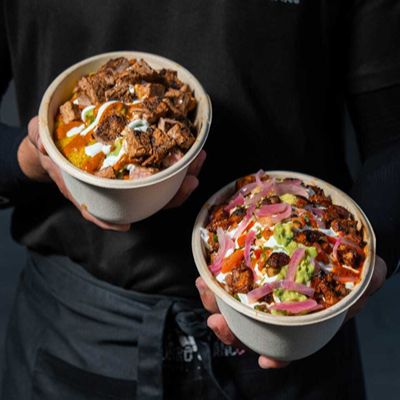
None of these changes require giving up flavor. A well-made taco or bowl can still deliver everything people love about Tex Mex — bold spice, fresh toppings, and satisfying portions — without needing to land at the high end of the calorie scale.
.jpg)
Final Thoughts
The calorie count of a typical Tex Mex meal really comes down to the choices layered into it: the protein, the format, the toppings, and how everything is cooked. A couple of tacos might sit at a few hundred calories, while a fully loaded burrito can push past 800 on its own, and neither is inherently "bad" — it's about matching the meal to what someone's actually looking for. Burro Blanco's blog does a solid job walking through this kind of detail, which is genuinely useful for anyone trying to make more informed choices next time they're deciding between tacos, a burrito, or a full Tex Mex spread without wanting to guess at the numbers.
For more information,
Contacts – +97144576051
Instagram: burroblancouae
Location: View All Burro Blanco Locations