
Introduction
Landslides can create significant risks for communities, infrastructure, and industrial operations located in mountainous and unstable areas. A slope may appear safe during a routine inspection while subtle changes are already developing beneath or across the surface. Continuous observation can provide valuable information about these changes and help organizations respond before a developing issue becomes a major disruption.
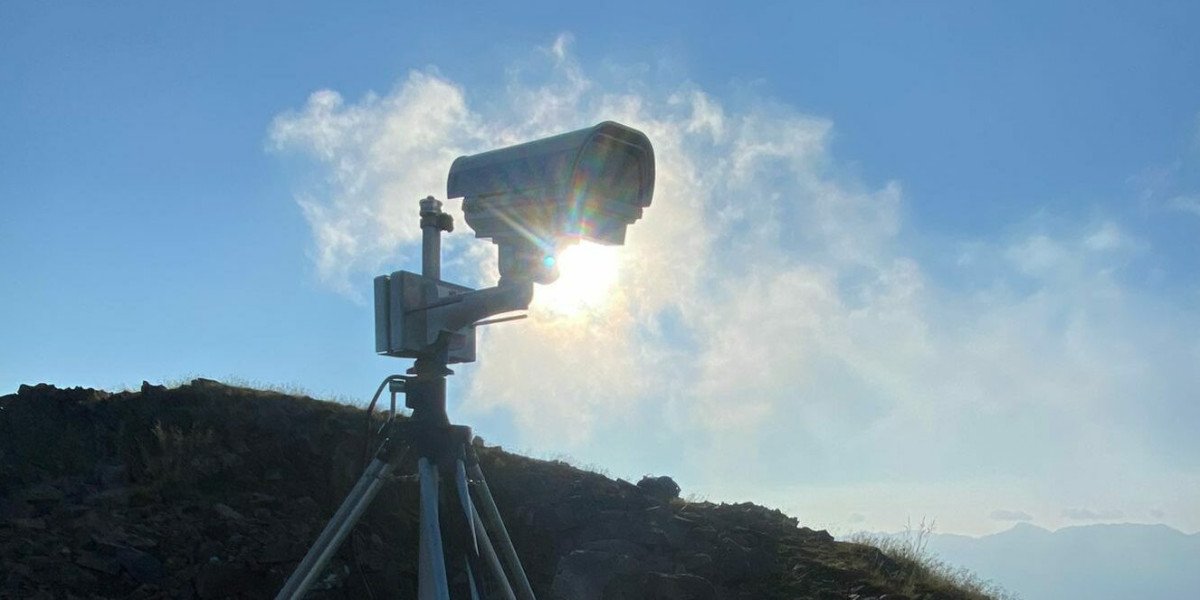
Avacam – Remote Landslide Monitoring with Industrial Devices provides a technology-driven approach to monitoring vulnerable terrain. By combining industrial-grade monitoring devices, remote connectivity, cloud-based data management, and automated alerts, Avacam helps organizations obtain timely information about ground and environmental conditions.
Why Real-Time Ground Intelligence Matters
Understanding slope behavior requires more than observing a site occasionally. Environmental conditions can change quickly after heavy rainfall, while groundwater fluctuations, erosion, construction, excavation, and natural geological processes can influence slope stability.
Continuous monitoring creates a detailed record of these changes. Engineers and infrastructure managers can examine current measurements alongside historical data to understand whether conditions are stable, changing, or showing unusual patterns.
Monitoring More Than Ground Movement
Landslide risk is influenced by multiple factors, so monitoring a single parameter may not always provide sufficient information. Depending on project requirements, remote monitoring systems can collect data related to:
Ground displacement
Slope deformation
Rainfall
Soil moisture
Groundwater levels
Vibration
Temperature
Humidity
Combining these measurements provides additional context for evaluating changing site conditions.
Industrial Devices for Remote Environments
Landslide-prone locations are often difficult to access. Monitoring equipment may need to operate in steep terrain, remote mountain regions, mining sites, or areas exposed to changing weather.
Industrial-grade monitoring devices are designed for demanding operating environments and can support long-term data collection. Once installed at appropriate locations, these devices can continuously gather information without requiring personnel to remain on site.
Connecting Field Devices with IIoT
Industrial Internet of Things (IIoT) technology enables field devices to communicate with centralized monitoring systems. Data collected by sensors can be transmitted remotely, allowing authorized teams to access current measurements from virtually anywhere.
This approach can be especially valuable for organizations managing multiple monitoring locations, as information from different sites can be brought together into a centralized system.
Cloud-Based Monitoring and Visualization
Continuous monitoring generates large volumes of data. A cloud-based platform helps users organize this information into useful dashboards, charts, reports, and historical trends.
Engineers can compare current readings with previous measurements and identify changes over time. Historical records can also help establish a better understanding of how a slope responds to rainfall, seasonal conditions, and other environmental influences.
Automated Alerts for Faster Awareness
Real-time information becomes more valuable when important changes generate automatic notifications. Monitoring systems can be configured with thresholds that reflect the requirements of a particular site.
When measurements exceed configured limits, alerts can notify responsible personnel. Teams can then review the available data and determine the appropriate next step.
Depending on site procedures, responses may include:
Conducting an additional inspection
Increasing monitoring frequency
Reviewing engineering conditions
Restricting access to a vulnerable area
Performing preventive maintenance
Activating emergency response procedures
Supporting Transportation Infrastructure
Roads and railway corridors frequently pass through mountainous terrain where slope instability can affect operations.
Remote monitoring can help transportation authorities observe vulnerable slopes, embankments, bridges, and tunnels. Monitoring information can support maintenance planning and help teams prioritize locations that require closer attention.
Applications in Mining
Mining operations can involve large-scale excavation and significant changes to natural terrain. Monitoring ground conditions around pit walls, excavation areas, and waste dumps can provide valuable information for operational safety.
Remote access also allows teams to review conditions without requiring unnecessary personnel exposure to potentially unstable areas.
Construction Site Monitoring
Excavation, earthworks, and drainage changes can influence surrounding ground conditions during construction. Continuous monitoring can provide project teams with additional information about how nearby slopes respond to these activities.
This information can complement conventional engineering assessments and support more informed construction management.
Protecting Critical Assets
Dams, reservoirs, pipelines, energy facilities, and other critical infrastructure may be located near slopes that require ongoing observation.
Remote monitoring can provide asset owners with continuous information that supports maintenance planning, risk assessments, and emergency preparedness.
From Data Collection to Proactive Management
Monitoring is most effective when collected information leads to meaningful action. Real-time measurements, historical trends, and automated alerts can help organizations move from reactive responses toward proactive risk management.
Instead of waiting for visible damage, teams can investigate unusual changes earlier and determine whether additional measures are required.
This approach can improve resource allocation, support operational continuity, and strengthen long-term infrastructure management.
The Future of Intelligent Landslide Monitoring
The landslide monitoring industry is increasingly adopting advanced digital technologies. Artificial Intelligence, predictive analytics, satellite imagery, drone surveys, and machine learning can complement industrial sensor networks.
As these technologies become more integrated, organizations can develop increasingly detailed models of terrain behavior and improve their understanding of complex geotechnical conditions.
Conclusion
Real-time information is becoming an essential part of modern landslide risk management. Avacam – Remote Landslide Monitoring with Industrial Devices combines industrial-grade monitoring technology, IIoT connectivity, cloud-based data visualization, and automated alerts to provide organizations with continuous insight into changing slope conditions.
By supporting early awareness, proactive inspections, informed maintenance planning, and emergency preparedness, Avacam helps organizations protect critical infrastructure, improve operational safety, and build greater resilience in landslide-prone environments.