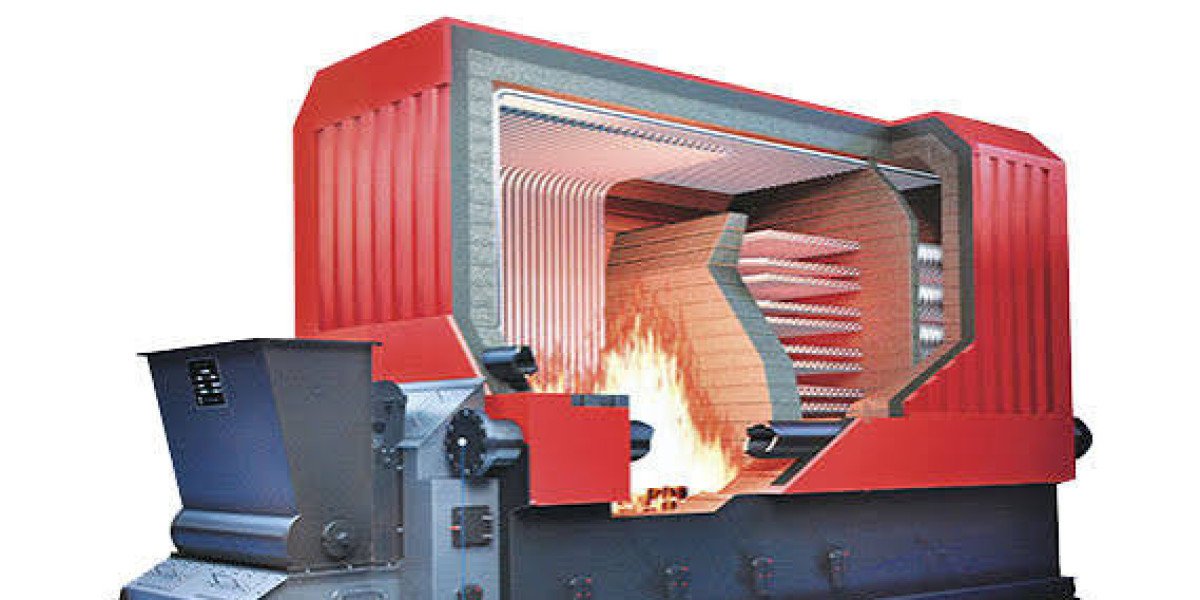

A biomass thermal oil heater is an advanced industrial heating system designed to provide stable and efficient heat for a wide range of manufacturing processes. As industries continue to focus on energy efficiency and environmental responsibility, biomass heating technology has become a preferred solution for businesses looking to reduce fuel expenses while maintaining consistent thermal performance.
Unlike conventional heating systems that rely on fossil fuels, a biomass thermal oil heater uses renewable biomass materials such as wood chips, sawdust, agricultural waste, rice husks, coconut shells, and similar organic resources. These renewable fuels help industries lower their environmental impact while making productive use of waste materials that might otherwise be discarded.
Modern industries require reliable heating systems that can operate continuously without compromising safety or efficiency. A biomass thermal oil heater meets these requirements by circulating thermal oil instead of steam, allowing high-temperature heating at low operating pressure. This makes the system suitable for numerous industrial applications where stable heat transfer is essential.
What Is a Biomass Thermal Oil Heater?
A biomass thermal oil heater is a specialized heating system that burns biomass fuel to heat thermal oil. The heated oil then circulates through pipelines to deliver consistent heat to industrial equipment and production processes.
Instead of producing steam, the system transfers heat through thermal oil, which provides several operational advantages. Since thermal oil can reach high temperatures without creating high pressure, industries benefit from improved safety, reduced maintenance, and more efficient heat distribution.
The system is commonly installed in manufacturing plants where continuous heating is required for production.
How a Biomass Thermal Oil Heater Works
The operation of a biomass thermal oil heater follows a straightforward heating process.
Biomass fuel is fed into the combustion chamber, where controlled burning generates thermal energy. This heat passes through specially designed heat exchange surfaces, warming the circulating thermal oil.
The heated oil is then pumped throughout the production facility, transferring heat wherever it is needed. After releasing its heat, the oil returns to the heater to be reheated, creating a continuous circulation cycle.
This closed-loop process minimizes energy waste while maintaining stable operating temperatures throughout industrial production.
Advantages of a Biomass Thermal Oil Heater
Energy Efficiency
One of the greatest benefits of a biomass thermal oil heater is its excellent energy efficiency. Modern combustion technology maximizes heat generation while minimizing fuel waste. This allows industries to achieve reliable heating with lower fuel consumption.
Environmentally Friendly Heating
Biomass fuels are renewable resources that help reduce dependence on fossil fuels. Many biomass materials are agricultural or forestry byproducts that would otherwise go unused. Using these materials supports sustainable energy practices while reducing overall environmental impact.
Lower Operating Costs
Many industries choose biomass because locally available organic fuels often cost less than traditional fuels. Businesses can significantly reduce long-term operating expenses while maintaining dependable heating performance.
Stable Heat Transfer
Thermal oil provides even and consistent heat throughout the production process. Stable temperatures improve product quality and reduce variations in manufacturing.
Improved Safety
Because thermal oil operates at relatively low pressure compared to steam systems, biomass thermal oil heaters generally offer enhanced operational safety. Lower pressure reduces risks associated with high-pressure equipment.
Reduced Maintenance
Modern biomass thermal oil heaters are designed for reliable operation with durable components. Proper maintenance helps ensure long service life while minimizing unexpected downtime.
Common Biomass Fuels
A biomass thermal oil heater can operate using various renewable fuel sources depending on regional availability.
Common biomass fuels include:
- Wood chips
- Wood pellets
- Sawdust
- Rice husks
- Coconut shells
- Agricultural residues
- Forestry waste
- Sugarcane bagasse
- Corn stalks
- Bamboo waste
Selecting the appropriate biomass fuel depends on fuel quality, moisture content, availability, and combustion characteristics.
Industrial Applications
A biomass thermal oil heater serves many industries that require continuous process heating.
Food Processing
Food manufacturing facilities use thermal oil heating for cooking, drying, roasting, baking, and sterilization processes. Stable temperatures help maintain product consistency and quality.
Textile Industry
Textile production requires controlled heating during dyeing, drying, finishing, and fabric treatment. Biomass thermal oil heaters provide reliable thermal energy throughout these operations.
Chemical Manufacturing
Chemical processing often depends on accurate temperature control. Thermal oil systems support reactors, mixers, storage tanks, and various production stages.
Pharmaceutical Production
Pharmaceutical facilities require consistent heating for manufacturing processes where temperature precision is essential for product quality.
Wood Processing
Wood manufacturing plants use thermal oil heaters for drying timber, plywood production, laminating, and furniture manufacturing.
Paper Industry
Paper mills require process heating for drying, coating, and finishing operations. Biomass thermal oil systems provide dependable heat throughout production.
Rubber and Plastic Manufacturing
Rubber and plastic processing involve molding, extrusion, and curing operations that depend on stable heating conditions.
Why Industries Prefer Biomass Thermal Oil Heaters
Businesses increasingly choose biomass thermal oil heaters because they combine operational efficiency with environmental responsibility.
Organizations seeking to improve sustainability appreciate the ability to utilize renewable fuel resources while lowering emissions associated with conventional heating methods.
Additionally, thermal oil heating provides excellent temperature control, helping manufacturers produce consistent, high-quality products while reducing energy losses.
Important Features to Consider
When selecting a biomass thermal oil heater, several features deserve careful attention.
Efficient Combustion Design
A well-designed combustion chamber ensures complete fuel burning and maximum heat output.
Automatic Fuel Feeding
Automated fuel handling systems improve efficiency while reducing manual labor requirements.
Temperature Control
Accurate temperature controls help maintain stable operating conditions throughout production.
Strong Construction
Durable materials increase equipment lifespan and support reliable long-term performance.
Easy Maintenance
Accessible components simplify routine inspection and maintenance, helping reduce downtime.
Emission Control
Modern systems include technologies that help minimize emissions while supporting cleaner industrial operations.
Installation Considerations
Proper installation plays a vital role in achieving optimal performance.
Before installation, businesses should evaluate available space, fuel storage requirements, chimney design, ventilation, pipeline layout, and future maintenance access.
Professional installation ensures the heater operates safely and efficiently while complying with applicable industrial standards.
Maintenance Tips
Routine maintenance helps maximize the lifespan and efficiency of a biomass thermal oil heater.
Recommended maintenance practices include:
- Regular cleaning of combustion areas
- Inspection of thermal oil quality
- Checking pumps and circulation systems
- Monitoring fuel moisture levels
- Inspecting insulation
- Cleaning heat exchange surfaces
- Examining safety controls
- Performing scheduled servicing
Consistent maintenance supports dependable performance and reduces unexpected operational interruptions.
Sustainability Benefits
One of the strongest reasons industries invest in biomass thermal oil heaters is sustainability.
Biomass fuel often comes from renewable organic materials that are continuously regenerated through agriculture and forestry. Utilizing these resources reduces waste while promoting responsible energy consumption.
Many businesses also improve their environmental image by adopting renewable heating technologies that align with sustainability goals and corporate environmental initiatives.
Choosing the Right Biomass Thermal Oil Heater
Selecting the right heater depends on several operational factors.
Businesses should evaluate:
- Heating requirements
- Fuel availability
- Production schedule
- Energy efficiency goals
- Maintenance needs
- Automation preferences
- Installation space
- Long-term operating costs
A properly selected system delivers reliable heating while supporting efficient industrial production for many years.
Frequently Asked Questions
What is a biomass thermal oil heater?
A biomass thermal oil heater is an industrial heating system that burns renewable biomass fuel to heat thermal oil, which then transfers heat to manufacturing processes.
What fuels can be used in a biomass thermal oil heater?
Common fuels include wood chips, wood pellets, sawdust, rice husks, coconut shells, agricultural waste, forestry residues, and other biomass materials.
Why is thermal oil used instead of steam?
Thermal oil provides high-temperature heating at relatively low pressure, offering improved safety, stable temperature control, and efficient heat transfer.
Which industries use biomass thermal oil heaters?
Industries such as food processing, textiles, chemicals, pharmaceuticals, wood processing, paper manufacturing, rubber production, and plastics commonly use these systems.
Are biomass thermal oil heaters environmentally friendly?
Yes. They use renewable biomass fuels that help reduce dependence on fossil fuels while supporting more sustainable industrial energy solutions.
How can efficiency be maintained?
Regular maintenance, quality biomass fuel, proper installation, routine inspections, and clean combustion systems help maintain efficient operation.
Conclusion
A biomass thermal oil heater is an excellent solution for industries seeking reliable, energy-efficient, and environmentally responsible process heating. By utilizing renewable biomass fuels and advanced thermal oil technology, these systems provide consistent temperatures, lower operating costs, improved safety, and dependable long-term performance.