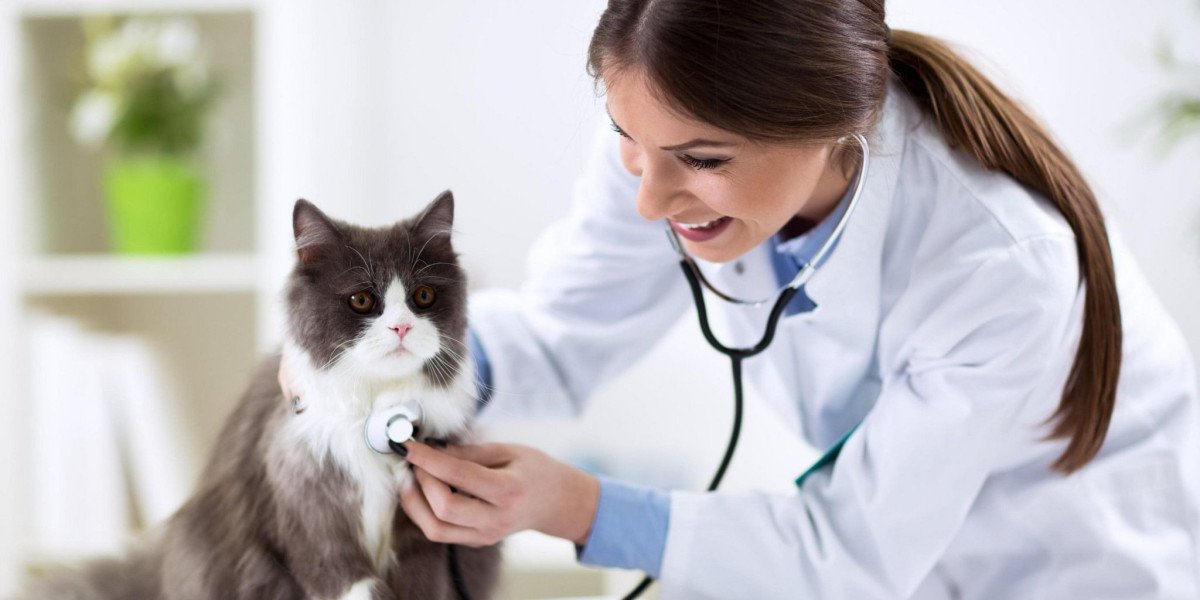

Choosing a veterinary hospital is an important decision for every pet owner. Dogs and cats depend on consistent medical care, preventive support, early diagnosis, and compassionate treatment when something feels wrong. The right veterinary team can help protect your pet’s health from the first puppy or kitten visit through adulthood, senior care, illness, surgery, and end-of-life decisions.
If you are searching for the best dog and cat hospital in Summit NJ, the goal should not be to choose a clinic based on one phrase or one review alone. A better approach is to look at the hospital’s services, location, experience, communication style, appointment process, diagnostic options, surgical support, dental care, emergency guidance, and ability to care for your pet’s specific needs.
For local pet owners, Summit Dog & Cat Hospital is one of the veterinary providers serving Summit, New Jersey and nearby communities. The hospital offers care for dogs, cats, and some exotic pets, with services that include wellness exams, vaccinations, dental care, surgery, dermatology, diagnostics, grooming, boarding, medical boarding, urgent care guidance, and quality-of-life support.
This guide explains what to look for when choosing a dog and cat hospital in Summit, New Jersey, and how to evaluate whether a veterinary clinic is the right fit for your pet.
Why Choosing the Right Dog and Cat Hospital Matters
A veterinary hospital is not only a place to visit when your pet is sick. A good hospital becomes a long-term health partner. It helps you understand your pet’s changing needs, prevent avoidable health problems, and respond quickly when symptoms appear.
Dogs and cats age faster than people, so small health changes can become more serious if they are missed. A routine wellness exam may reveal dental disease, weight changes, skin problems, heart concerns, arthritis, parasites, or internal health issues before they become obvious at home.
A trusted veterinary hospital can also help owners make better decisions. For example, should your dog’s itching be treated as allergies, parasites, or a skin infection? Does your cat’s bad breath mean dental disease? Is vomiting a minor stomach upset or a sign that testing is needed? These questions are easier to answer when you have a veterinary team that knows your pet’s medical history.
What Makes a Veterinary Hospital a Good Choice?
The right animal hospital should combine medical skill with practical convenience. Pet owners need a place that is professional, organized, responsive, and able to explain care in a way that is easy to understand.
When comparing veterinary hospitals, look at the full picture instead of focusing only on cost or distance. A nearby location matters, but quality of care, service range, and communication are just as important.
What to Evaluate | Why It Matters |
Location and accessibility | Makes routine visits, follow-ups, and urgent appointments easier |
Wellness care | Helps prevent illness and detect problems early |
Dental care | Supports comfort, eating ability, and long-term health |
Surgery options | Allows pets to receive needed procedures in a familiar setting |
Diagnostics | Helps identify internal causes of symptoms |
Dermatology care | Supports pets with allergies, itching, ear issues, or skin infections |
Boarding and grooming | Adds convenience for everyday pet care needs |
Medical boarding | Helps pets that need medication or monitoring while owners are away |
Emergency guidance | Helps owners know what to do when symptoms are urgent |
Communication | Helps owners understand diagnosis, treatment, and home care |
A hospital that provides several of these services can be more useful for long-term care than a clinic with limited options.
Look for Comprehensive Veterinary Services
One of the first things to check is whether the hospital offers the services your pet may need now and in the future. A young pet may need vaccines, parasite prevention, spaying or neutering, and nutrition advice. An adult pet may need dental care, allergy treatment, weight management, sick visits, or diagnostic testing. A senior pet may need bloodwork, pain management, mobility support, dental evaluation, and chronic disease monitoring.
Summit Dog & Cat Hospital provides a wide range of veterinary services for pets in Summit, NJ. Their veterinary services highlights care such as pet dental care, grooming, spaying, neutering, boarding, and other veterinary services.
A hospital with a broader service range can be helpful because your pet’s health information stays connected. The team can understand past exams, lab results, dental findings, medication history, and previous procedures. This continuity can make future care easier and more informed.
Consider Preventive Wellness Care
Preventive care should be one of the strongest signs of a good veterinary hospital. A clinic that focuses only on treating illness may miss opportunities to prevent problems earlier.
Wellness exams help veterinarians check your pet’s overall health. During an exam, the veterinarian may evaluate the eyes, ears, mouth, skin, coat, weight, heart, lungs, abdomen, joints, and behavior. They may also recommend vaccines, parasite prevention, bloodwork, dental care, or lifestyle changes.
The hospital’s comprehensive veterinary care explains the importance of proactive care, early detection, and treatment planning.
Why Early Detection Is Important
Pets often hide discomfort. Cats may continue eating even with dental pain. Dogs may still play even when they have early arthritis or skin irritation. Senior pets may slow down gradually, making it easy for owners to assume the change is normal aging.
Routine wellness exams create a medical baseline. Once your veterinarian knows what is normal for your pet, changes become easier to detect. This is especially helpful for senior dogs and cats, pets with chronic conditions, and pets that have breed-related health risks.
Check Dental Care Services
Dental care is an important part of choosing a veterinary hospital. Oral disease is common in dogs and cats, and it can cause pain, infection, bad breath, tooth loss, difficulty chewing, and inflammation.
A good dog and cat hospital should take dental health seriously. Professional dental care may include oral exams, dental cleanings, dental x-rays when recommended, extractions when needed, and home-care guidance.
Pet owners should ask about dental care if they notice:
Bad breath
Red or swollen gums
Brown tartar on teeth
Loose teeth
Drooling
Pawing at the mouth
Chewing on one side
Dropping food
Bleeding from the mouth
Decreased appetite
Dental disease can be painful even when pets act normal. That is why routine dental evaluation is an important part of long-term pet health.
Review Surgical Support and Safety
Surgery is another important factor when choosing a veterinary hospital. Some pets only need routine procedures such as spaying or neutering. Others may need mass removal, wound repair, bladder stone surgery, eyelid correction, orthopedic evaluation, or other procedures.
A hospital that offers surgical support can help guide owners through preparation, anesthesia, pain management, recovery, and follow-up care. Summit Dog & Cat Hospital also provides online forms, including surgical information materials that can help owners prepare for procedure-related visits.
Questions to Ask Before Pet Surgery
Before choosing a hospital for surgery, pet owners should ask:
What pre-surgical testing is recommended?
How is anesthesia monitored?
How is pain controlled after surgery?
What are the risks and expected benefits?
How long is the recovery period?
What signs should I watch for at home?
Will my pet need a follow-up appointment?
Good communication before surgery can reduce stress and help owners feel more confident about the process.
Ask About Diagnostics and Imaging
Diagnostics help veterinarians understand what is happening inside the body. A physical exam is important, but it cannot show everything. Bloodwork, urine testing, fecal testing, imaging, ultrasound, and other diagnostic tools can help identify the cause of symptoms.
For example, vomiting could be related to diet, infection, pancreatitis, organ disease, obstruction, toxins, or other problems. Limping could be caused by a sprain, arthritis, ligament injury, fracture, or joint disease. A cat that drinks more water may need testing for kidney disease, diabetes, thyroid disease, or urinary problems.
When choosing the best dog and cat hospital in Summit NJ for your pet, ask whether the hospital can support diagnostic decision-making or provide access to advanced testing when needed.
Look for Dermatology and Allergy Care
Skin and ear problems are very common in dogs and cats. Allergies, fleas, ticks, infections, food sensitivities, hormonal conditions, and environmental triggers can all cause discomfort.
The hospital’s dermatology discusses care for issues such as itching, allergies, fleas, ticks, rashes, dry skin, and excessive scratching or licking.
A pet may need dermatology care if you notice:
Constant scratching
Paw licking
Ear odor
Ear discharge
Hair loss
Red skin
Hot spots
Scabs
Strong skin smell
Face rubbing
Repeated ear infections
A good veterinary team should not only treat the itch. They should work to identify the likely cause and build a plan that may include parasite control, medication, ear treatment, bathing recommendations, diet discussion, or long-term allergy management.
Compare Boarding and Medical Boarding Options
Boarding may not be the first service you think about when choosing a vet, but it can become very useful. Many pet owners need safe care for their pets while traveling, handling work obligations, or managing family emergencies.
A veterinary hospital that offers boarding can provide added reassurance, especially for pets with medical needs. The hospital’s boarding explains boarding options for dogs and cats, including support for pets that may benefit from a veterinary setting.
Medical boarding may be especially helpful for:
Pet Need | Why Medical Boarding May Help |
Daily medications | Staff can follow medication instructions |
Diabetes | Feeding and medication timing may need structure |
Senior pet care | Older pets may need extra monitoring and gentler handling |
Seizure history | Staff can watch for concerning changes |
Post-surgery recovery | Rest, medication, and observation may be important |
Chronic illness | Pets with ongoing conditions may need closer care |
Mobility issues | Pets may need extra help moving safely |
A standard boarding facility may be fine for many healthy pets. However, medical boarding can provide extra peace of mind when a pet has health concerns.
Consider Grooming Services
Grooming supports more than appearance. It helps maintain coat health, skin comfort, hygiene, and nail length. Grooming may also reveal lumps, mats, parasites, skin irritation, ear problems, or painful areas.
Dogs may need regular grooming based on breed, coat type, activity level, and skin health. Cats may need grooming if they have long hair, mats, obesity, arthritis, senior mobility issues, or trouble grooming themselves.
A veterinary hospital that offers grooming can be helpful for pets that are anxious, older, medically fragile, or dealing with skin problems. It also gives owners the convenience of connecting grooming with broader health care when needed.
Understand Urgent Care and Emergency Guidance
No pet owner wants to face an emergency, but every owner should know where to call when a pet suddenly becomes sick or injured. A strong veterinary hospital should provide clear urgent care guidance and explain when referral to an emergency facility is needed.
The hospital’s pet urgent and emergency care advises owners to call before bringing a pet in for emergency veterinary care so the team can prepare and advise on the next step. Their emergency and urgent care FAQs also explain support for non-life-threatening urgent veterinary needs.
Call a veterinarian promptly if your pet has:
Trouble breathing
Repeated vomiting
Severe diarrhea
Seizures
Collapse
Sudden weakness
Eye injury
Heavy bleeding
Inability to urinate
Suspected toxin exposure
Severe pain
Bloated abdomen
Pale gums
Deep wounds
Refusal to eat or drink
A dependable veterinary hospital should help you understand whether your pet needs a same-day visit, emergency referral, or close monitoring.
Evaluate Experience, Trust, and Local History
Trust matters in veterinary care. Pet owners want to know that the hospital has experience, understands local pet needs, and communicates clearly.
Summit Dog & Cat Hospital’s FAQ page says the hospital has served the community at its location since 1923, the current building opened in 1997, and the hospital has been family-owned and operated since 1980. This kind of local history can be an important trust signal for owners comparing veterinary options.
When researching summit dog and cat hospital new jersey, pet owners should look at both history and current services. A long-standing presence is helpful, but owners should also check whether the hospital provides the services their pet actually needs.
Think About Location and Accessibility
A convenient location can make pet care easier. This is especially true for pets that need follow-up visits, recurring medication checks, dental appointments, senior care, puppy and kitten vaccines, or ongoing treatment.
The hospital is located at 16 Morris Tpke, Summit, NJ 07901. Its appointment page lists office hours and appointment request options for pet owners who want to schedule a visit.
A nearby hospital can be especially helpful when:
Your puppy or kitten needs multiple early visits
Your senior pet needs frequent monitoring
Your pet becomes anxious during long car rides
Your pet needs follow-up after surgery
Your pet has recurring ear, skin, dental, or digestive problems
You need boarding, grooming, or medical boarding
When people search for a summit animal hospital, they are often looking for both medical quality and local convenience.
Read Reviews With the Right Mindset
Online reviews can help, but they should not be the only factor in your decision. Reviews are individual experiences, and veterinary care can involve emotional situations, urgent cases, complicated diagnoses, and difficult decisions.
When reading reviews, look for repeated patterns. Do many people mention compassionate staff? Do owners say the doctors explain things clearly? Are there comments about the hospital being clean, organized, and gentle with pets? Are there mentions of good follow-up care?
Positive and negative reviews should be weighed carefully. One review may not tell the full story, but consistent themes can help you understand what other pet owners value about the hospital.
How to Compare Veterinary Hospitals in Summit, NJ
If you are comparing several hospitals, use a checklist instead of relying only on the first search result. A structured comparison can make your decision more practical.
Question to Ask | Why It Helps |
Is the clinic close enough for routine and urgent visits? | Location affects consistency of care |
Does it treat both dogs and cats? | Multi-pet families may prefer one hospital |
Does it offer dental care? | Dental disease is common and often painful |
Are surgery services available? | Many pets need procedures at some point |
Is boarding available? | Useful when owners travel |
Is medical boarding available? | Important for pets with medications or chronic illness |
Does the team offer urgent care guidance? | Helps owners respond quickly |
Are online forms or appointment requests available? | Makes scheduling and preparation easier |
Does the clinic communicate clearly? | Owners need to understand care decisions |
Does the hospital fit your pet’s life stage? | Puppies, adults, and seniors have different needs |
This checklist can help you decide whether a summit cat and dog hospital is a good match for your pet.
Choosing a Hospital for Puppies and Kittens
Young pets need frequent care during their first year. Puppies and kittens often need physical exams, vaccine boosters, parasite testing, deworming, nutrition guidance, microchipping discussion, and spay or neuter planning.
A good veterinary hospital should help new pet owners understand what is normal and what is not. This includes appetite, stool habits, teething, socialization, scratching, litter box behavior, coughing, vomiting, and growth.
Early veterinary visits also help pets become more comfortable with handling, exams, and travel. This can make future visits less stressful.
Choosing a Hospital for Adult Dogs and Cats
Adult pets need consistent care even when they appear healthy. Annual exams help identify problems before they become advanced. Adult dogs may need support for allergies, dental disease, weight control, joint health, ear infections, and parasite prevention. Adult cats may need care for dental issues, urinary concerns, weight changes, vomiting, and early kidney or thyroid problems.
A hospital that provides wellness exams, dental care, diagnostics, dermatology, and sick visits can support adult pets through many common health concerns.
Choosing a Hospital for Senior Pets
Senior dogs and cats often need more detailed care. Aging pets may develop arthritis, dental disease, kidney disease, thyroid problems, diabetes, heart disease, cancer, vision changes, hearing loss, or cognitive decline.
A good veterinary hospital should help owners recognize the difference between normal aging and treatable illness. For example, a senior dog that is slowing down may have arthritis pain. A cat that is losing weight may have thyroid disease, kidney disease, diabetes, or dental pain.
Senior care may include bloodwork, urine testing, dental evaluation, pain management, diet discussion, medication review, and quality-of-life support.
When a Specialist or Emergency Hospital May Be Needed
Even a strong local veterinary hospital may not handle every case. Some situations require a 24-hour emergency hospital or board-certified specialist. This is normal and does not mean the local vet is not valuable.
Emergency referral may be needed for severe trauma, difficulty breathing, uncontrolled seizures, major toxin exposure, major surgery needs, or overnight hospitalization. Specialist care may be needed for advanced orthopedic, neurological, heart, cancer, or internal medicine cases.
A good general veterinary hospital should know when referral is the safest choice.
Is Summit Dog & Cat Hospital a Good Option to Consider?
For pet owners looking for a summit animal hospital, Summit Dog & Cat Hospital is worth considering because it offers many services that dogs and cats commonly need. These include wellness care, dental care, surgery support, dermatology, grooming, boarding, medical boarding, urgent care guidance, and resources for pet owners.
The hospital may be especially practical for families who want a local provider with multiple services in one place. If you are researching summit dog and cat hospital new jersey, review the service pages, check appointment availability, read owner feedback, and contact the hospital with questions about your pet’s specific needs.
The right choice depends on your pet. A healthy young cat, a senior dog with arthritis, a puppy needing vaccines, and a cat needing medical boarding may all require different levels of care. The best hospital is the one that can meet those needs clearly, safely, and compassionately.
Final Thoughts
Choosing the best dog and cat hospital in Summit, New Jersey means looking beyond one search phrase. The right veterinary provider should offer preventive care, dental services, surgery support, diagnostics, dermatology, boarding, grooming, medical boarding, urgent care guidance, and clear communication.
Summit Dog & Cat Hospital provides many of these services for local pet owners in Summit, NJ and nearby communities. For families comparing veterinary options, it can be helpful to review the hospital’s services, call with questions, schedule an appointment, and decide whether the care style fits your pet.
A strong veterinary relationship is built through trust, consistency, and communication. Whether your pet is young, adult, senior, healthy, sick, or managing a chronic condition, choosing the right hospital can make everyday care easier and long-term health decisions more confident.
FAQs
Q: How do I choose the best dog and cat hospital in Summit NJ?
A: Look for a hospital that offers wellness exams, dental care, diagnostics, surgery, grooming, boarding, urgent care guidance, and clear communication. The best choice depends on your pet’s age, health needs, comfort level, and your expectations as an owner.
Q: Is Summit Dog & Cat Hospital in New Jersey a full-service vet?
A: summit dog and cat hospital new jersey offers a range of services, including wellness care, dental care, spaying, neutering, grooming, boarding, dermatology, urgent care guidance, and surgery-related support. Pet owners should contact the hospital to confirm availability for specific needs.
Q: What should I expect from a summit cat and dog hospital?
A: A summit cat and dog hospital should provide care for routine exams, vaccines, dental concerns, sick visits, skin issues, surgery planning, and long-term health monitoring. Additional services like grooming and boarding can also support everyday pet care.
Q: What makes a summit animal hospital a good choice?
A: A summit animal hospital may be a good choice if it is local, offers broad veterinary services, communicates clearly, supports preventive care, and can guide owners during urgent or complex pet health situations. Reviews and direct conversations can also help.
Q: Should I visit the hospital before deciding?
A: Yes. Reviewing services online is helpful, but an appointment or phone call gives you a better sense of communication, scheduling, staff support, and whether the hospital fits your pet’s needs. This is especially important for senior or medically complex pets.