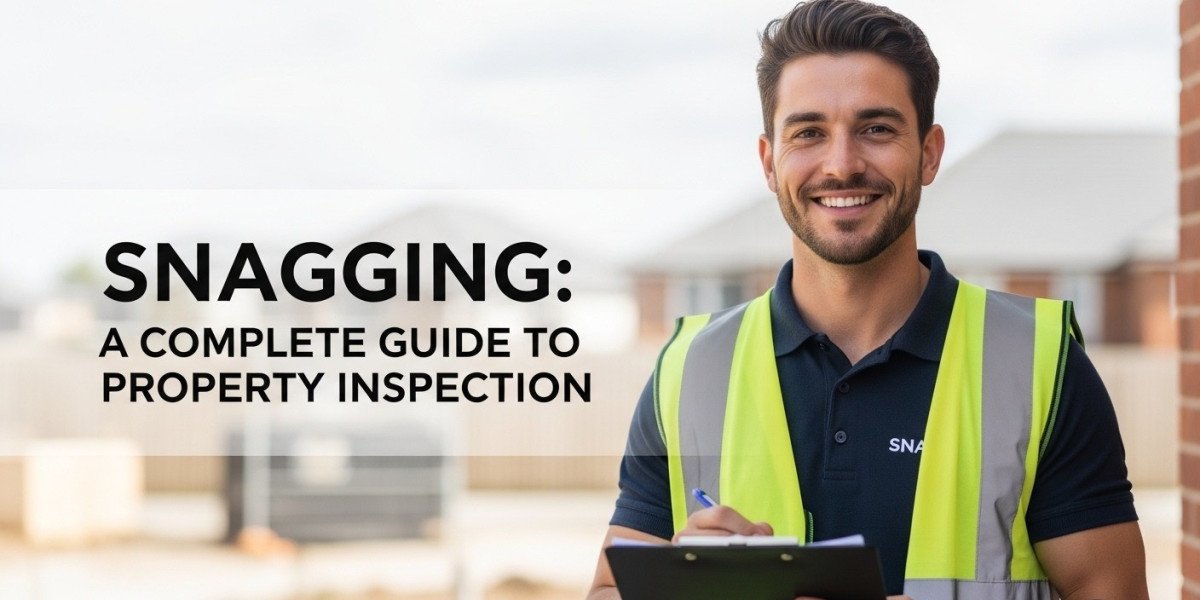

A property inspection is one of the most important steps when buying, selling, renting, or maintaining any type of property. It provides a clear understanding of the current condition of a building and helps identify existing problems before they become costly repairs. Whether the property is residential or commercial, a detailed inspection allows owners and buyers to make informed decisions with confidence.
Many issues within a property remain hidden until they become serious. Structural damage, moisture problems, electrical concerns, plumbing leaks, and roofing defects are just a few examples that may not be visible during a regular walkthrough. A professional property inspection helps uncover these concerns and provides valuable insights into the overall condition of the property.
Understanding the inspection process can help buyers avoid unexpected expenses, sellers prepare their homes for the market, and property owners protect their investments through regular maintenance.
What Is Property Inspection?
Property inspection is a detailed assessment of a building and its major systems. The purpose is to evaluate the overall condition of the property and identify any defects, safety concerns, or maintenance needs.
The inspection usually includes both the interior and exterior of the property. Every accessible area is carefully reviewed to ensure that major components are functioning properly and are free from significant damage.
A thorough inspection creates transparency between buyers and sellers while helping property owners maintain the long-term value of their investment.
Why Property Inspection Is Important
A property represents a significant financial investment. An inspection provides peace of mind by identifying issues before ownership changes or before maintenance problems become more expensive.
Some of the biggest advantages include:
- Helps identify hidden defects.
- Improves buyer confidence.
- Supports fair property pricing.
- Reduces unexpected repair costs.
- Improves property safety.
- Assists with maintenance planning.
- Protects long-term property value.
Without an inspection, important issues may remain unnoticed until they require expensive repairs.
What Does a Property Inspection Cover?
A complete property inspection evaluates many different parts of the building. Each section contributes to the overall safety, functionality, and condition of the property.
Roof
The roof is inspected for damaged materials, leaks, drainage problems, and signs of wear. A healthy roof protects the entire structure from weather damage.
Foundation
Inspectors examine the foundation for cracks, movement, uneven surfaces, and structural concerns that may affect stability.
Walls and Ceilings
Walls and ceilings are checked for water stains, cracks, mold growth, and other visible damage that may indicate underlying issues.
Flooring
Different flooring materials are inspected for damage, uneven surfaces, moisture problems, and normal wear.
Electrical System
The electrical system is reviewed for safety, proper installation, visible wiring issues, switches, outlets, and electrical panels.
Plumbing
Plumbing inspections include visible pipes, faucets, drainage systems, water pressure, and signs of leaks or corrosion.
Heating and Cooling
Heating, ventilation, and cooling systems are inspected to confirm proper operation and identify maintenance needs.
Windows and Doors
Inspectors verify that windows and doors open, close, and seal correctly while checking for damage or deterioration.
Exterior Areas
The inspection also includes exterior walls, driveways, walkways, fencing, drainage, and landscaping that may affect the property.
Benefits of Property Inspection Before Buying
Buying a property without a proper inspection can create financial risks. An inspection provides valuable information that supports smarter purchasing decisions.
Benefits include:
- Better understanding of property condition.
- Opportunity to negotiate repairs.
- Increased confidence before purchase.
- Reduced risk of hidden defects.
- Better planning for future maintenance.
A complete inspection allows buyers to move forward with realistic expectations.
Benefits of Property Inspection Before Selling
Sellers also benefit from arranging a property inspection before listing their property.
Advantages include:
- Identifying issues before buyers discover them.
- Completing repairs in advance.
- Building buyer trust.
- Reducing negotiation challenges.
- Supporting smoother transactions.
Preparing a property before it enters the market often creates a more positive impression.
Common Problems Found During Property Inspection
Many properties develop issues naturally over time. A detailed inspection helps identify these concerns before they worsen.
Common findings include:
- Roof leaks.
- Foundation cracks.
- Plumbing leaks.
- Electrical hazards.
- Water damage.
- Mold growth.
- Poor drainage.
- Damaged flooring.
- Broken windows.
- Ventilation problems.
Discovering these issues early makes repairs easier and less expensive.
How to Prepare for a Property Inspection
Preparing the property helps create a smooth inspection process.
Property owners should:
- Clean all accessible areas.
- Unlock storage spaces.
- Ensure utility services are operating.
- Replace damaged light fixtures if necessary.
- Remove obstacles around important systems.
- Repair small maintenance issues when possible.
Good preparation allows the inspection to be completed efficiently.
How Buyers Should Review Inspection Findings
Receiving an inspection report is only the beginning. Buyers should carefully review every section and understand the significance of each finding.
Minor cosmetic issues are common and usually require simple maintenance. More serious concerns involving structural components, roofing, electrical systems, or plumbing deserve closer attention.
Understanding the difference between routine maintenance and major defects helps buyers make informed decisions without unnecessary concern.
Property Inspection for Homeowners
Property inspections are not only useful during buying or selling. Homeowners benefit from regular inspections throughout property ownership.
Routine inspections help:
- Detect maintenance needs early.
- Protect structural integrity.
- Improve home safety.
- Extend the lifespan of major systems.
- Preserve property value.
Preventive maintenance is usually less expensive than emergency repairs.
Property Inspection for Commercial Buildings
Commercial properties also require regular inspections to maintain safety, efficiency, and compliance.
Commercial inspections often evaluate:
- Building structure.
- Mechanical systems.
- Electrical equipment.
- Fire safety features.
- Plumbing systems.
- Roofing.
- Exterior condition.
Regular inspections help businesses reduce operational risks while protecting valuable assets.
Signs That a Property Needs Inspection
Some warning signs suggest that a professional inspection should be arranged soon.
These signs include:
- Water stains.
- Unpleasant odors.
- Cracks in walls.
- Uneven floors.
- Persistent leaks.
- Mold growth.
- High moisture levels.
- Roofing concerns.
- Electrical issues.
- Plumbing problems.
Ignoring these warning signs may allow problems to become more serious over time.
How Regular Property Inspection Protects Your Investment
Every property experiences normal wear through daily use and changing weather conditions. Regular inspections help identify developing problems before they affect larger areas of the building.
Early repairs reduce maintenance expenses, improve safety, and preserve property value for many years. Property owners who schedule inspections regularly often avoid unexpected repair costs while maintaining attractive, functional buildings.
A well-maintained property also creates greater confidence for future buyers, tenants, and investors.
Frequently Asked Questions
What is the purpose of a property inspection?
A property inspection evaluates the condition of a building and identifies safety concerns, defects, maintenance issues, and potential repair needs.
Is a property inspection important before buying a home?
Yes. It helps buyers understand the property's true condition before making a final decision.
Can a property inspection find hidden problems?
Yes. Many inspections reveal issues that are not immediately visible during a simple property visit.
Does a property inspection increase property value?
While an inspection does not directly increase value, resolving identified issues can improve the property's condition and market appeal.
How should property owners prepare for an inspection?
Owners should clean accessible areas, ensure utilities are functioning, remove obstacles, and complete simple maintenance where possible.
Can homeowners benefit from regular property inspections?
Yes. Routine inspections help prevent costly repairs, improve safety, and protect the long-term value of the property.
Conclusion
Property inspection is an essential part of responsible property ownership, buying, and selling. It provides valuable information about the condition of a building, allowing informed decisions based on facts rather than assumptions. From identifying hidden defects to supporting preventive maintenance, inspections help reduce risks and protect valuable investments.
Whether you are purchasing a new home, preparing a property for sale, managing a commercial building, or simply maintaining your residence, regular property inspections offer lasting benefits. Taking the time to inspect a property today can help prevent major problems in the future while preserving safety, comfort, and long-term value.