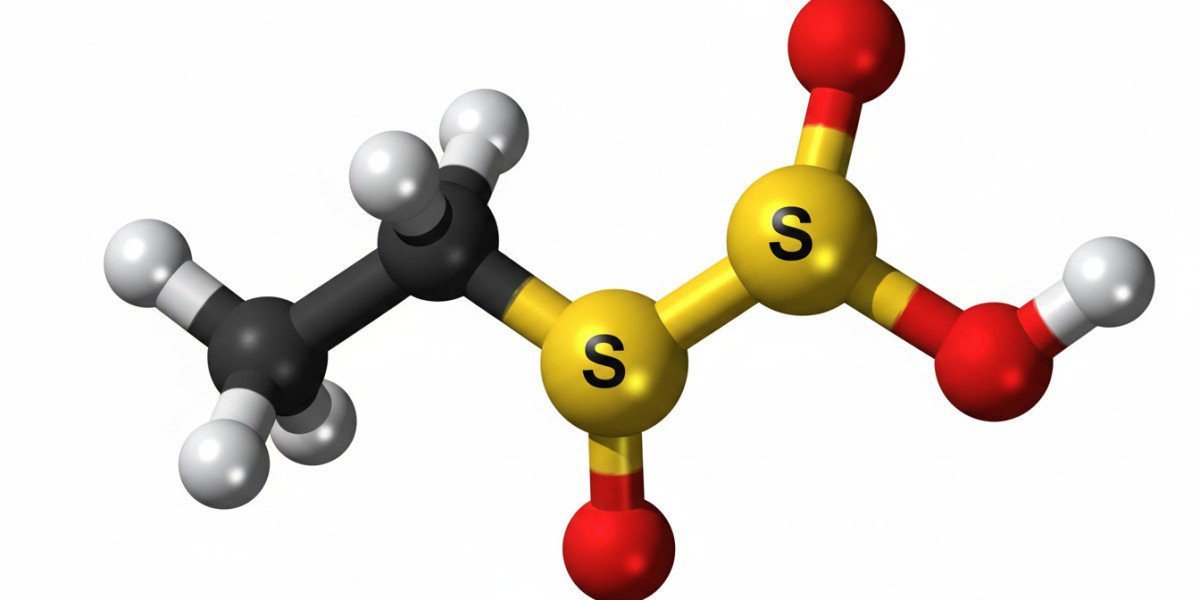

Ethylene sulfate is a valuable chemical compound that has gained considerable attention in modern industries because of its unique properties and wide range of applications. It is especially recognized for its important role in lithium-ion battery technology, where it works as an electrolyte additive to improve performance, stability, and lifespan. As the demand for electric vehicles, portable electronics, and renewable energy storage systems increases, the importance of advanced battery materials like ethylene sulfate continues to grow. This compound belongs to the cyclic sulfate family and offers excellent chemical characteristics that make it suitable for industrial and research applications. Understanding ethylene sulfate, its benefits, production methods, and uses helps industries develop better solutions for energy storage and chemical innovation.
What Is Ethylene Sulfate?
Ethylene sulfate is an organic sulfur compound with the molecular formula C₂H₄O₄S. It is a cyclic sulfate ester that contains sulfur and oxygen atoms arranged in a stable ring structure. This chemical compound is generally found in solid crystalline form and is known for its ability to react with other materials in controlled environments. Ethylene sulfate is mainly used as a functional additive rather than a primary material because it can improve the performance of other chemical systems. Its unique structure allows it to interact effectively with battery electrodes and electrolyte solutions, making it highly useful in advanced lithium-ion battery manufacturing.
Chemical Structure and Properties of Ethylene Sulfate
The chemical structure of ethylene sulfate gives it several important properties that support its industrial applications. The compound contains a cyclic sulfate group that provides strong chemical stability and controlled reactivity. It has good compatibility with commonly used battery electrolyte solvents and can participate in surface reactions that improve electrode protection. Ethylene sulfate also has excellent film-forming capabilities, which help create a stable protective layer inside batteries. These chemical properties make it a preferred additive for improving battery efficiency, reducing degradation, and supporting longer operational performance.
Manufacturing Process of Ethylene Sulfate
The production of ethylene sulfate involves advanced chemical processes that require accurate control of reaction conditions. Manufacturers typically produce this compound through reactions involving ethylene-based materials and sulfur-containing chemical agents. The process includes several stages such as chemical reaction, purification, filtration, and quality testing to achieve high-purity ethylene sulfate. Because the compound is mainly used in high-performance applications, manufacturers focus on maintaining strict quality standards. Modern production facilities use advanced technologies to improve efficiency, reduce impurities, and ensure that the final product meets industrial requirements.
Ethylene Sulfate in Lithium-Ion Battery Technology
One of the most significant applications of ethylene sulfate is in lithium-ion batteries. It is commonly added to electrolyte formulations to improve battery performance and stability. During the first charging cycles, ethylene sulfate helps form a protective solid electrolyte interphase (SEI) layer on the electrode surface. This layer reduces unwanted chemical reactions between the electrolyte and electrode, helping maintain battery capacity over time. The use of ethylene sulfate allows batteries to achieve better cycle life, improved safety, and enhanced reliability, making it an important material for electric vehicles and energy storage systems.
Benefits of Ethylene Sulfate for Battery Performance
Ethylene sulfate provides several advantages when used in rechargeable battery systems. One of its major benefits is improving battery durability by reducing electrode damage during repeated charging and discharging cycles. It also helps maintain electrolyte stability, which prevents performance loss caused by chemical breakdown. Another important advantage is improved low-temperature performance and reduced internal resistance in certain battery designs. By supporting the formation of a stable protective layer, ethylene sulfate contributes to safer and more efficient energy storage solutions. These benefits make it a valuable component in next-generation battery technologies.
Role of Ethylene Sulfate in Electric Vehicles
The growth of electric vehicles has increased the demand for advanced battery materials. Ethylene sulfate plays an important role in improving the reliability and efficiency of batteries used in electric transportation. Electric vehicle manufacturers require batteries that can deliver high energy capacity, long service life, and consistent performance. By improving electrolyte stability and protecting battery components, ethylene sulfate helps meet these requirements. As global transportation moves toward cleaner energy solutions, the demand for battery additives like ethylene sulfate is expected to increase significantly.
Industrial Applications of Ethylene Sulfate
Although battery technology is the primary application area, ethylene sulfate also has importance in other industrial and chemical processes. It is studied as an intermediate compound in chemical synthesis and material development. Researchers explore its potential for creating specialized sulfur-containing compounds and improving chemical formulations. Industries involved in advanced materials, energy technology, and chemical research continue to investigate new applications for ethylene sulfate. Its combination of stability and reactivity makes it suitable for various high-performance industrial purposes.
Importance of Ethylene Sulfate in Energy Storage Systems
Energy storage systems are becoming increasingly important due to the expansion of renewable energy sources such as solar and wind power. Ethylene sulfate supports these systems by improving the performance and reliability of lithium-based batteries. Efficient energy storage requires batteries that can operate for many years with minimal performance reduction. By improving electrode stability and reducing electrolyte breakdown, ethylene sulfate contributes to longer-lasting storage solutions. This makes it an important material in the development of sustainable energy technologies.
Advantages of Ethylene Sulfate Compared With Other Additives
Ethylene sulfate offers unique advantages compared with many other battery electrolyte additives. Its ability to create a stable SEI layer makes it highly effective in protecting electrode surfaces. While other additives may improve specific battery characteristics, ethylene sulfate provides balanced performance benefits, including better cycle stability and reduced degradation. Battery manufacturers often combine ethylene sulfate with other additives to achieve optimized performance. Its compatibility with modern lithium-ion battery systems has helped establish it as a preferred choice in advanced battery research and manufacturing.
Safety and Storage Requirements of Ethylene Sulfate
Proper handling and storage of ethylene sulfate are essential to maintain safety and product quality. Industrial workers handling this chemical should follow appropriate safety procedures, including using protective equipment and maintaining controlled working environments. The compound should be stored under recommended conditions to prevent contamination and maintain stability. Manufacturers must follow chemical safety guidelines during transportation, storage, and processing. Proper management practices ensure that ethylene sulfate can be used effectively while minimizing potential risks in industrial environments.
Environmental Benefits of Ethylene Sulfate
Ethylene sulfate indirectly supports environmental sustainability by improving battery efficiency and lifespan. Longer-lasting batteries require fewer replacements, which can help reduce material waste and resource consumption. In electric vehicles, improved battery performance contributes to cleaner transportation by supporting the transition away from traditional fuel sources. Renewable energy storage systems also benefit from more reliable batteries, helping increase the adoption of sustainable energy solutions. As industries continue focusing on environmentally friendly technologies, ethylene sulfate is expected to remain an important material for energy innovation.
Market Growth and Future Demand for Ethylene Sulfate
The global market for ethylene sulfate is expected to expand as demand for lithium-ion batteries continues to rise. The increasing adoption of electric vehicles, energy storage systems, and portable electronic devices is creating new opportunities for battery additive manufacturers. Companies are investing in research and development to improve battery performance and reduce production costs. Future advancements in battery technology are likely to increase the importance of ethylene sulfate as a key component in high-performance energy storage solutions.
Research and Development Trends
Continuous research is being conducted to explore new possibilities for ethylene sulfate applications. Scientists are studying improved electrolyte formulations, advanced battery designs, and better manufacturing techniques. Research efforts focus on increasing battery efficiency, enhancing safety, and extending operational life. As technology develops, ethylene sulfate may find additional applications beyond traditional lithium-ion batteries. Innovation in chemical engineering and material science will continue to influence the future growth and usefulness of this compound.
Challenges in Ethylene Sulfate Usage
Despite its many benefits, ethylene sulfate also faces certain challenges in industrial applications. Production complexity, cost factors, and the need for optimized formulations can affect its widespread adoption. Battery manufacturers must carefully control the amount of ethylene sulfate used because incorrect concentrations may influence battery performance. Researchers continue working on improving manufacturing methods and finding cost-effective solutions. Overcoming these challenges will help increase the efficiency and availability of ethylene sulfate-based technologies.
Future Outlook of Ethylene Sulfate
The future of ethylene sulfate looks promising due to its important role in advanced battery technology and energy storage development. As industries continue searching for efficient and sustainable energy solutions, materials that improve battery performance will become increasingly valuable. Ethylene sulfate is expected to remain an important additive in lithium-ion batteries while researchers explore new applications. With continued innovation, improved production methods, and growing market demand, ethylene sulfate will likely contribute significantly to future developments in energy and chemical industries.
Conclusion
Ethylene sulfate is a highly useful chemical compound with growing importance in modern technology and industrial applications. Its unique chemical properties, strong performance as a battery additive, and ability to improve energy storage systems make it an essential material for future innovations. From electric vehicles to renewable energy storage, ethylene sulfate helps create more reliable and efficient battery solutions. As research and technology continue advancing, this compound is expected to play an even greater role in supporting sustainable energy development and advanced material applications.