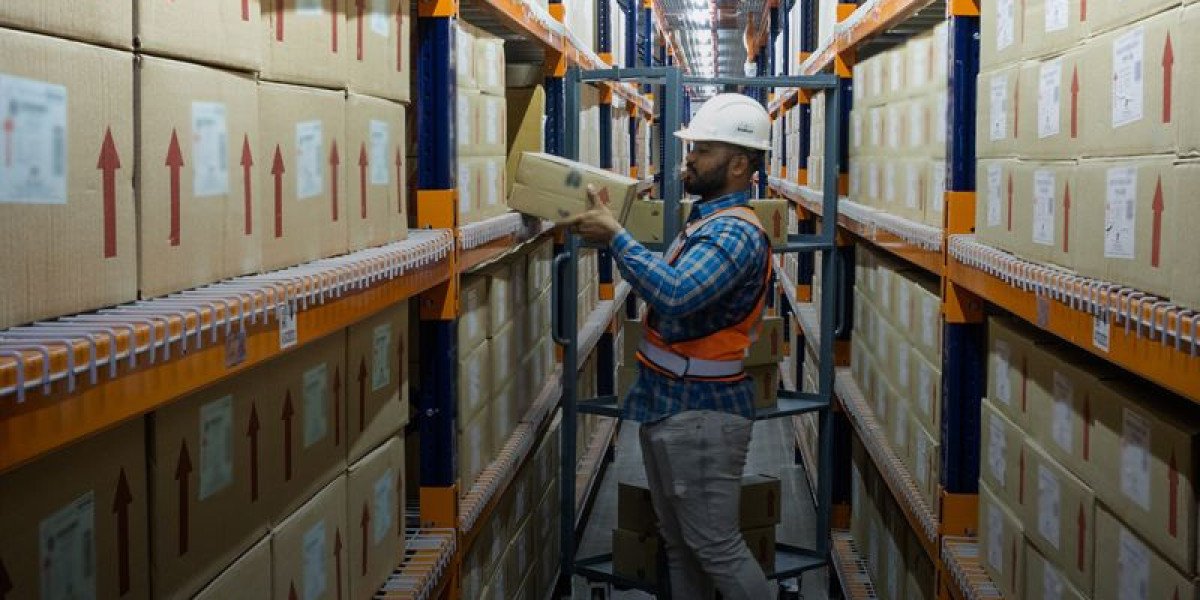

Medical devices do not behave like regular inventory. They arrive with instructions thicker than most manuals, labels that cannot fade, and tolerances that leave no space for casual handling. One slip inside a warehouse and the issue does not stay inside those walls. It travels forward. That is why medical device warehousing sits in a serious corner of logistics, where safety, storage discipline, and compliance shape every decision.
This space asks for attention. Constant attention.
Why medical device warehousing feels different
A box holding a surgical implant does not forgive errors. Neither does a diagnostic kit waiting for hospital use. Warehouses that handle these items operate under a different pressure. Regulators expect control. Healthcare providers expect reliability. Patients depend on outcomes they never see.
Unlike standard inventory, medical devices carry batch numbers, serial codes, and expiry details that link directly to accountability. The warehouse becomes part of the healthcare chain, even if no patient ever walks through its doors.
Safety inside the four walls
Safety begins before storage even starts. Dock operations matter. Clean unloading zones reduce dust and physical damage. Segregated pathways keep sensitive items away from heavy equipment traffic.
Inside the facility, layout decisions do heavy lifting. Clear aisle marking, restricted access zones, and defined quarantine areas prevent mix ups. One misplaced carton can create weeks of investigation later.
There is also the quiet safety work. Fire systems tested on schedule. Power backup checked without delay. Pest control planned carefully so no chemical exposure touches devices or packaging. None of this looks dramatic, yet auditors notice it first.
Storage conditions that leave no room for shortcuts
Many medical devices demand strict temperature and humidity ranges. A few degrees off over several hours can trigger product rejection. Warehouses handling such inventory rely on calibrated sensors, mapped zones, and alarms that do not stay silent.
Cold storage areas often require validation, not just installation. Shelving materials matter too. Rust, sharp edges, or unstable racks create silent risks.
Even light exposure enters the conversation. Certain diagnostic products react badly to prolonged brightness. That leads to covered racks, controlled lighting schedules, and careful placement away from doors.
There is an old saying shared by quality inspectors: “Storage is part of manufacturing once the seal is broken.” That line sticks for a reason.
Compliance as a daily habit
Compliance in medical device warehousing does not arrive once a year with an audit visit. It lives in daily routines. Regulatory frameworks like ISO 13485 and national health authority guidelines expect consistent behavior, not last minute preparation.
This includes documented procedures for receiving, inspection, storage, picking, and dispatch. Every step has a record. Not because paperwork looks impressive, but because traceability demands proof.
UDI systems add another layer. Each device carries identity that links back to its source and forward to its destination. When a recall happens, warehouses become the first responders, locating affected units within hours, not days.
Documentation, traceability, and the paper trail
Ask any warehouse manager in this field what causes stress, and documentation comes up fast. Logs for temperature. Cleaning records. Training registers. Deviation reports. Corrective actions.
It sounds heavy, and it is. Still, documentation acts like insurance. When questions arise, records answer them calmly.
Digital systems help, yet discipline stays human. A missed entry breaks continuity. A wrong timestamp raises doubt. Many auditors repeat a simple line during inspections: if it is not recorded, it did not happen. Warehousing teams remember that.
People, training, and small human errors
Processes matter, but people carry them. Staff working with medical devices need more than forklift skills. They need awareness. Why gloves matter. Why a carton cannot sit on the floor. Why expiry dates deserve a second look.
Training sessions repeat often, sometimes feeling boring. Then an incident happens elsewhere in the industry and suddenly the reasons feel sharp again.
Human errors never disappear fully. What matters is how fast they are caught and corrected. Clear reporting culture helps. Blame culture does not.
Technology on the warehouse floor
Technology supports consistency. Warehouse management systems track location, batch, and movement history. Environmental monitoring tools send alerts before conditions cross limits.
Some facilities use access control linked to authorization levels, reducing unnecessary handling. Others rely on barcode scanning at every touchpoint, removing guesswork.
Still, technology stays a tool, not a solution by itself. Without trained eyes and steady habits, systems lose meaning.
A closing thought from real operations
Medical device warehousing feels strict for a reason. Every label, every reading, every signature connects to patient safety somewhere else. The work stays mostly invisible, yet its impact travels far.
Teams who handle this responsibility know the pressure. They also know the pride that comes with getting it right, day after day, without shortcuts. And that is where the work naturally pauses, not with a grand finish, but with the quiet satisfaction of control maintained.