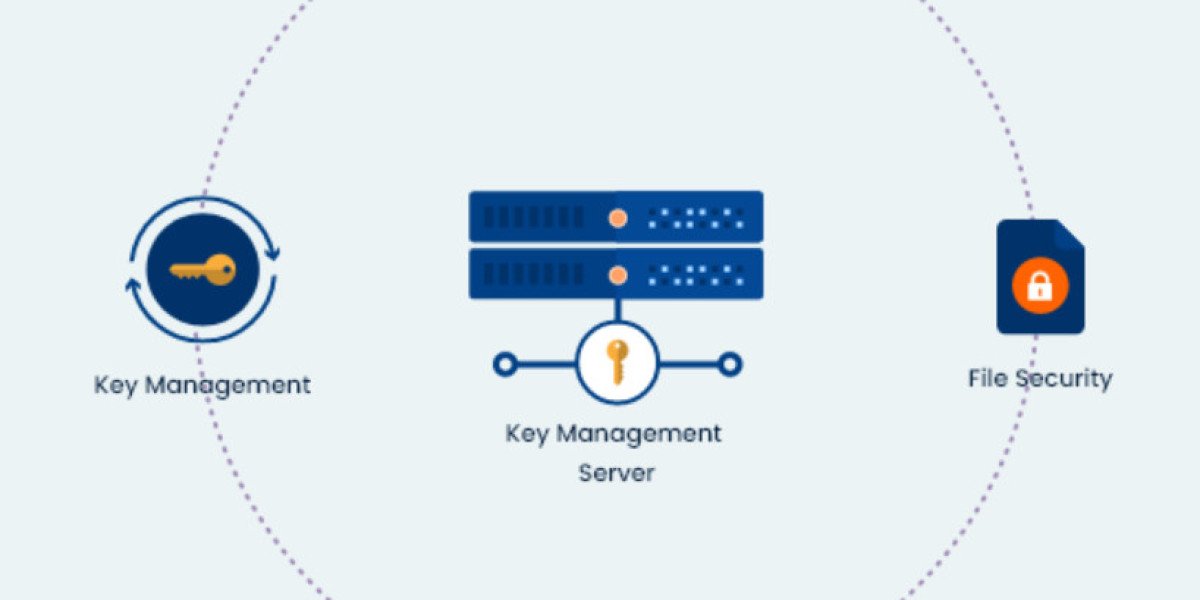

In the modern digital environment, secure communication is essential for individuals, businesses, and governments. Every day, organizations exchange sensitive information through emails, financial systems, cloud platforms, messaging services, and online applications. Protecting this data during transmission has become a critical part of cybersecurity.
Cryptography plays a vital role in securing digital communication by encrypting data so that it cannot be accessed by unauthorized users. However, encryption alone cannot guarantee security. The true strength of cryptographic systems depends on how encryption keys are managed.
This is why key management in cryptography is considered one of the most important components of secure communication. Proper key management ensures that cryptographic keys are generated, stored, distributed, and replaced securely, preventing unauthorized access to sensitive information.
Understanding Cryptography and Encryption Keys
Cryptography is the process of protecting information by converting readable data into an encrypted format that can only be accessed by authorized users. This process uses cryptographic keys that allow systems to encrypt and decrypt data.
There are two common types of encryption used in cryptography:
Symmetric encryption
This method uses a single key for both encryption and decryption.
Asymmetric encryption
This method uses two keys: a public key for encryption and a private key for decryption.
Both methods rely heavily on secure key handling. If encryption keys are exposed or mismanaged, attackers can easily decrypt protected data.
This is where key management becomes essential.
What is Key Management in Cryptography?
Key management refers to the processes and technologies used to handle cryptographic keys throughout their lifecycle. It ensures that encryption keys remain secure and accessible only to authorized systems or users.
The key lifecycle generally includes the following stages:
Key generation
Key storage
Key distribution
Key usage
Key rotation
Key revocation
Key destruction
A reliable key management system ensures that these processes are handled securely and consistently.
Without proper key management, even advanced encryption systems can become vulnerable to cyber threats.
Why Key Management is Important for Secure Communication
Secure communication depends on the confidentiality, integrity, and authenticity of transmitted data. Proper key management helps maintain these security principles.
Below are some of the key reasons why key management in cryptography is crucial for protecting digital communication.
Protecting Confidential Information
Sensitive information such as financial data, personal details, and business communications must remain confidential during transmission. Encryption protects this information, but encryption keys must also remain secure.
If attackers gain access to encryption keys, they can decrypt messages and access sensitive information. Effective key management solutions ensure that encryption keys are protected and only accessible to authorized parties.
Preventing Unauthorized Access
Unauthorized access to communication channels can lead to serious security incidents such as data breaches or identity theft.
A secure key management system ensures that encryption keys are distributed safely and accessed only by verified users or systems. This helps prevent unauthorized individuals from intercepting or decrypting communication.
Ensuring Data Integrity
In secure communication, it is important to ensure that data has not been altered during transmission. Cryptographic systems often use digital signatures and authentication mechanisms that rely on encryption keys.
Effective key management tools ensure that these keys remain protected, allowing organizations to verify the authenticity and integrity of transmitted data.
Supporting Secure Online Transactions
Many online services depend on secure communication channels. Banking systems, payment gateways, e-commerce platforms, and messaging applications rely heavily on cryptographic encryption.
In such environments, proper key management in cryptography ensures that financial transactions and sensitive communications remain secure.
Without proper key management, attackers may exploit weak security controls to intercept communication or manipulate transactions.
Meeting Security and Compliance Requirements
Many industries must comply with strict security regulations that require encryption and proper key management practices.
Standards such as PCI-DSS, HIPAA, and GDPR require organizations to protect sensitive information through encryption and secure key handling.
A reliable key management solution helps organizations meet these requirements by maintaining secure key storage, access control, and audit trails.
Challenges in Key Management
While encryption is widely used, managing encryption keys can be complex, especially for organizations that operate large digital infrastructures.
Some common challenges include:
Managing a large number of encryption keys across multiple systems
Protecting keys from unauthorized access
Ensuring regular key rotation
Maintaining visibility over key usage
Preventing human errors in manual key management
These challenges highlight the need for advanced encryption key management software that can automate and secure key management processes.
Role of Key Management Tools in Secure Communication
Modern key management tools help organizations manage cryptographic keys efficiently while maintaining strong security practices.
These tools provide features such as:
Secure key generation using strong cryptographic algorithms
Centralized key storage in protected environments
Automated key rotation and expiration policies
Access control mechanisms for authorized users
Monitoring and logging of key activities
By using advanced key management systems, organizations can ensure that encryption keys remain protected throughout their lifecycle.
Best Practices for Key Management in Cryptography
To maintain secure communication systems, organizations should follow several key management best practices.
Use centralized key management platforms
Centralized systems provide better visibility and control over encryption keys.
Implement strict access control policies
Only authorized systems and users should be able to access encryption keys.
Rotate keys regularly
Frequent key rotation reduces the risk of long-term key exposure.
Monitor key usage continuously
Continuous monitoring helps detect suspicious activity early.
Use secure storage environments
Encryption keys should be stored in secure vaults or hardware-based security modules.
Following these practices helps strengthen communication security and reduce the risk of cyber threats.
The Future of Secure Communication
As digital communication continues to expand through cloud platforms, mobile networks, and IoT devices, the demand for strong encryption and secure key management will continue to grow.
Organizations will increasingly rely on automated key management solutions that integrate with enterprise systems and cloud environments to provide seamless security.
Advanced encryption technologies combined with reliable key management systems will play a key role in protecting sensitive communications in the future.
Conclusion
Secure communication is essential for protecting sensitive data in today’s digital world. Cryptography provides the foundation for secure data transmission, but the effectiveness of cryptographic systems depends heavily on proper key management.
Effective key management in cryptography ensures that encryption keys remain protected throughout their lifecycle, preventing unauthorized access to confidential information.
By implementing secure key management systems and using advanced key management tools, organizations can strengthen their communication security and protect their digital infrastructure from cyber threats.