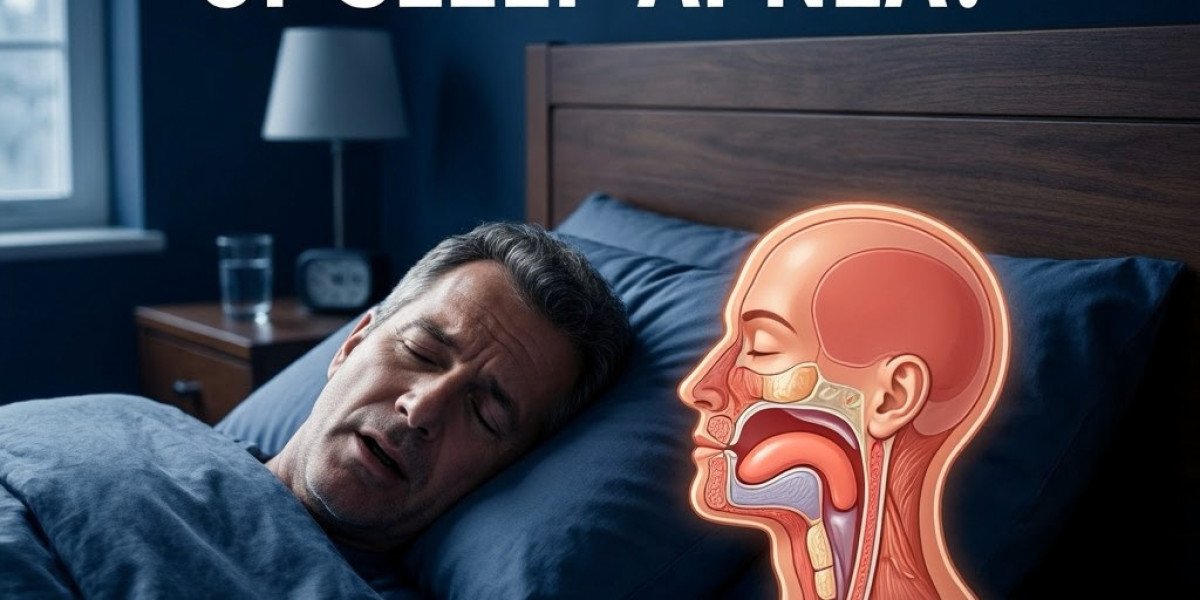

Many people wonder if their loud snoring is actually dangerous. You might wake up feeling very tired every single morning. Snoring occurs when your airway becomes partially blocked during sleep. This blockage creates a vibrating sound in your soft tissues. Not every person who snores has a serious medical condition. However, snoring is often a major symptom of sleep apnea.
The clear difference helps you protect your long-term health. This article explores the signs of sleep apnea in detail. You will learn how to identify dangerous patterns of breathing. Proper knowledge is the first step toward achieving better sleep.
Defining the Real Difference Between Snoring and Sleep Apnea
Normal snoring does not usually stop your breathing at night. It is simply a noisy vibration during your normal respiratory cycle. Sleep apnea involves actual pauses in your breathing while sleeping. These pauses can last for ten seconds or even longer. Your brain must wake you up to restart your breathing.
This cycle happens many times throughout a single night's sleep. Normal snorers usually feel quite rested after a full night. People with sleep apnea often feel exhausted throughout the day. Identifying these patterns is crucial for your overall physical wellness. You should monitor your sleep habits very closely every night.
Identifying the Primary Symptoms of Obstructive Sleep Apnea
Loud and persistent snoring is the most common early sign. You might also experience sudden gasping or even choking sounds. These sounds indicate that your brain is fighting for oxygen. Partners often notice long periods of silence followed by gasping. Morning headaches are another frequent complaint for many apnea patients. You may also feel a very dry or sore throat.
Frequent nighttime urination is another surprising sign of sleep apnea. Mood swings and irritability can also affect your daily personal life. Concentration becomes very difficult when you are constantly sleep deprived. Pay attention to how your body feels throughout the day.
The Physical Causes of Airway Blockage During Sleep
Several physical factors contribute to the blockage of your airway. Excess weight can create extra tissue around your narrow throat. A large neck circumference often increases the risk of apnea. Your tongue might also fall backward during a deep sleep. Nasal congestion or a deviated septum can worsen the snoring. Large tonsils or adenoids can block the path of air.
Alcohol consumption relaxes the muscles in your throat too much. Sleeping on your back often makes the snoring sound louder. Genetics also play a very significant role in your anatomy. Understanding these causes helps you find the right medical treatment.
How Sleep Apnea Impacts Your Overall Physical Health
Untreated sleep apnea leads to many serious long-term health problems. It puts a very high amount of stress on heart. Your blood pressure can rise to dangerous levels very quickly. Low oxygen levels damage the lining of your blood vessels. This increases the risk of having a stroke or heart attack. Sleep apnea is also closely linked to type two diabetes.
It can cause irregular heartbeats known as atrial fibrillation today. Chronic fatigue makes operating heavy machinery or driving very dangerous. Your immune system becomes weaker without enough high-quality sleep. Protecting your sleep is essential for a long, healthy life.
The Connection Between Sleep Deprivation and Mental Health
Lack of oxygen affects your brain function in many ways. You might struggle with memory loss and poor mental focus. Depression and anxiety are more common in sleep apnea patients. Your brain cannot process emotions properly without deep REM sleep.
This leads to increased stress and a lower quality life. Many people mistake apnea symptoms for simple daily work stress. Treating the underlying sleep issue often improves your mental clarity. You deserve to feel mentally sharp and emotionally balanced every day. Better sleep leads to a much happier and productive lifestyle.
Taking Action with Professional Medical Testing and Diagnosis
You should consult a doctor if you suspect sleep apnea. A professional sleep study is the best way to diagnose. This test monitors your heart rate and breathing patterns overnight. Polysomnography is the formal name for this comprehensive sleep test. Some doctors offer convenient home sleep tests for their patients. These devices track oxygen levels and your respiratory effort easily.
The results show exactly how many times you stop breathing. An Apnea-Hypopnea Index score determines the severity of condition. Getting an accurate diagnosis is the only way to heal. Do not ignore the warning signs your body is sending.
Utilizing CPAP Technology for Effective Sleep Apnea Treatment
CPAP therapy is the gold standard for treating sleep apnea. A machine provides a steady stream of air through mask. This air pressure keeps your airway open during the night. You will stop snoring and start breathing normally very soon. Many patients feel an immediate improvement in their energy levels.
Modern CPAP machines are very quiet and also easy to use. Finding the right mask is essential for your nightly comfort. Consistent use of the machine prevents serious health complications today. Your partner will also enjoy a much quieter sleeping environment.
Lifestyle Changes to Reduce Snoring and Improve Airway
You can take several steps to improve your sleep quality. Losing weight often reduces the pressure on your narrow airway. Avoiding alcohol before bedtime keeps your throat muscles much firmer. Quitting smoking reduces inflammation in your lungs and nasal passages. Sleeping on your side prevents the tongue from blocking air. Using a humidifier can keep your nasal passages very clear.
Some people find relief by using special dental mouth guards. These devices pull the lower jaw forward to open air. Consistent sleep schedules help regulate your body's natural internal clock. Small changes can lead to very significant health improvements now.
The Role of Diet and Exercise in Better Sleep
Healthy eating habits support a much better night of rest. Avoid heavy meals right before you go to sleep tonight. Regular exercise helps you fall asleep faster and stay asleep. Physical activity strengthens the muscles that support your upper airway. Even a daily walk can make a very big difference.
Yoga and stretching can reduce stress levels before your bedtime. Drinking plenty of water keeps your throat tissues very hydrated. Proper nutrition provides the energy needed for your daily life. A healthy lifestyle is your best defense against sleep apnea.
Choosing the Right Equipment for Your Personal Therapy
If diagnosed, you will need high-quality CPAP or BiPAP gear. Choosing the right provider is essential for long-term success today. You need a company that offers genuine products and support. Yourcarebd.com provides a wide range of reliable medical equipment now.
They offer masks, machines, and all necessary replacement parts today. Expert guidance helps you choose the perfect fit for face. Proper maintenance of your gear ensures the therapy remains effective. Clean your mask and filters regularly to prevent any infections. Investing in your health is the smartest decision you make.
Finding Support and Community for Sleep Apnea Patients
Living with sleep apnea can feel very overwhelming at times. Joining a support group helps you share your personal experiences. You can learn tips for adjusting to your CPAP machine. Hearing success stories provides motivation to stay with the therapy. Many online forums offer advice from long-term CPAP users today. You are not alone in your journey toward better sleep. Talk to your family about how they can help you. Education is power when managing a chronic health condition now. Stay positive and focus on the benefits of deep sleep.
Final Thoughts on Snoring and Your Respiratory Health
Snoring is a signal that your breathing needs some attention. It might be harmless, or it might be sleep apnea. Pay attention to daytime sleepiness and your nightly gasping sounds. Consult a medical professional to get a clear, accurate diagnosis.
Modern treatments like CPAP therapy are highly effective for everyone. Improving your sleep will transform your entire life very quickly. You will have more energy for your family and work.
Do not let sleep apnea steal your health and happiness. Take the first step toward a quiet night of rest. Your body and your mind will thank you every morning.